Hidden Water Leaks: Signs Every Homeowner Should Know
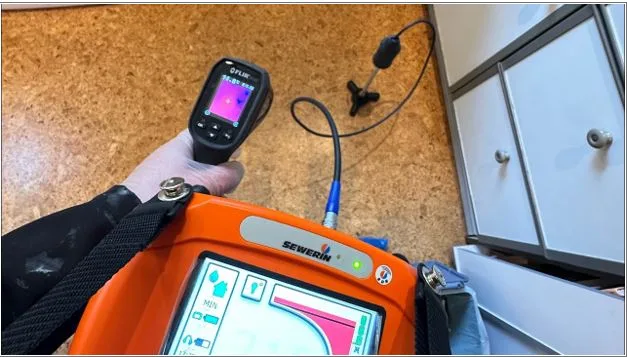
A water leak doesn’t need to create a visible puddle to cause trouble. Small leaks can develop behind walls, beneath floors, above ceilings or around plumbing fixtures, allowing moisture to spread unnoticed. By the time obvious damage appears, surrounding materials may already have been affected.
Early detection is therefore important for protecting both residential and commercial properties. Knowing the warning signs can help property owners arrange an inspection before a minor plumbing issue develops into extensive water damage.
For property owners considering Leak Detection in Clearwater, unexplained moisture, staining or changes around plumbing fixtures are good reasons to investigate further. Professional leak detection focuses on identifying the location and likely cause of water intrusion before unnecessary areas of the property are disturbed.
Warning Signs That May Point to a Hidden Leak
Some leaks are obvious, but others produce only subtle changes around the property.
Watch for signs such as:
- Damp patches on walls or ceilings
- Peeling or bubbling paint
- Warped flooring
- Musty odors
- Unexplained moisture
- Sounds of running water
- Recurring mold or mildew
- Staining around plumbing fixtures
A single symptom doesn’t necessarily prove that a hidden pipe is leaking. However, recurring or unexplained moisture deserves further investigation.
Pay Attention to Problems That Return
Drying a damp area or repainting a stain may improve its appearance temporarily, but it won’t resolve an active moisture source. If the same mark returns, identifying the cause should become the priority.
Where Can Hidden Leaks Develop?
Water can originate from several areas, which is why the visible damage doesn’t always reveal the actual source.
Behind Walls
Supply pipes and other plumbing components often run through wall cavities. A small leak can remain concealed until moisture reaches drywall, paint or nearby flooring.
Beneath Floors
Leaks below flooring can be difficult to recognise immediately. Changes in flooring, persistent dampness or unexplained moisture may justify closer inspection.
Around Bathrooms and Kitchens
Bathrooms and kitchens contain numerous plumbing connections. Toilets, sinks, showers, tubs and appliances can all become potential sources of leakage.
Around Roofing and Building Components
Not every moisture problem originates from plumbing. Roof defects, exterior openings and drainage problems can sometimes create similar symptoms, making proper investigation important before repairs begin.
How Professionals Locate Hidden Water
Guessing where a leak originates can result in unnecessary disruption. Professional detection aims to narrow down the source using inspection techniques and specialised equipment.
Depending on the situation, leak detection may involve:
- Visual property assessment
- Moisture meters
- Thermal imaging
- Acoustic testing
- Plumbing system evaluation
Forscher Property Inspections states that its leak-detection process begins with an assessment of visible signs before modern detection tools are used to locate concealed leaks. Findings are then documented, with recommendations provided for appropriate next steps.
Why Finding the Source Matters
Water can travel away from its original entry point before becoming visible. Opening the wall directly behind a stain may therefore fail to uncover the actual problem.
A more systematic inspection can reduce unnecessary exploratory work while helping determine whether the moisture comes from plumbing, roofing or another building component.
Don’t Ignore Small Amounts of Moisture
A slow leak may appear less urgent than a burst pipe, but repeated exposure to water can gradually affect finishes and building materials. Forscher warns that neglected plumbing leaks may contribute to structural damage, mold or mildew growth and other property concerns.
What Happens After the Leak Is Located?
Finding the source is only part of the process. Property owners also need to understand the severity of the issue and what action should follow.
A useful inspection report should clearly identify the affected location and explain relevant findings. Forscher uses digital reporting with images and descriptions, and states that inspection reports are delivered within 24 hours.
Depending on the findings, the next step may involve a plumbing repair, roofing work, drying or further specialist assessment.
When Should You Arrange Leak Detection?
Professional investigation is worth considering when moisture cannot be explained easily or repeatedly returns.
For homeowners requiring Leak Detection in St Petersburg FL, specialist assessment can help locate leaks concealed behind walls or beneath other building materials. Forscher’s St. Petersburg service uses non-invasive detection technology and lists thermal imaging, acoustic testing and moisture meters among the equipment used for identifying difficult leaks.
Early Investigation Can Limit Disruption
Waiting for a concealed leak to become obvious can mean waiting until more material has been exposed to water. Investigating suspicious signs earlier may help narrow the affected area and provide clearer information for whoever completes the repair.
Conclusion
Hidden water leaks can be difficult to recognise because the visible symptom may appear far from the original source. Watching for damp patches, stains, unusual odors and recurring moisture gives property owners a better chance of identifying problems early. Forscher Property Inspections has served Florida since 2004 and provides property inspections alongside specialised water-leak detection, helping clients understand potential problems before deciding on the appropriate next step.