Hollow Injection Bar: Uses and Benefits
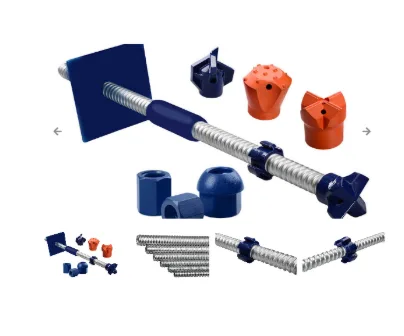
Modern construction projects require reliable and efficient solutions for ground stabilization, foundation reinforcement, and structural support. A hollow injection bar is a specialized steel component widely used in geotechnical engineering to improve installation efficiency and provide dependable ground reinforcement. Its unique design allows drilling and grout injection to be performed through a hollow central passage, making it a practical option for challenging ground conditions.
What Is a Hollow Injection Bar?
A hollow injection bar is a high-strength steel bar designed with an internal channel that allows grout or drilling fluid to pass through it. Many systems feature continuous external threading, enabling the connection of additional bar sections and compatible accessories.
Unlike conventional solid reinforcing bars, hollow injection bars can combine drilling, grouting, and reinforcement within a single integrated system. This design is particularly useful in applications where unstable soil, limited access, or difficult geological conditions make conventional installation methods less effective.
Hollow injection bars are commonly associated with self-drilling anchors, soil nailing systems, and hollow bar micropiles. The specific configuration depends on the engineering requirements and the manufacturer’s specifications.
How Does a Hollow Injection Bar Work?
The installation process generally begins by connecting a suitable drill bit to the hollow bar. Specialized drilling equipment advances the bar into the ground while drilling fluid or grout passes through its internal channel.
Once the required depth is reached, grout is introduced or continued through the bar to fill the surrounding space. After the grout hardens, it forms a bond between the steel reinforcement and the surrounding ground.
Depending on the application, additional components such as couplers, bearing plates, and nuts may be installed to complete the reinforcement system. Proper installation procedures are essential to achieve the required load capacity and long-term performance.
Key Benefits of Hollow Injection Bars
1. Efficient Installation
One of the primary advantages of hollow injection bars is their ability to integrate drilling and grouting operations. This can reduce the need for separate installation stages, simplify site coordination, and improve overall construction productivity.
2. Performance in Challenging Ground Conditions
Loose soil, fractured rock, and unstable boreholes can create difficulties during conventional drilling. Hollow injection bar systems can help address these challenges by allowing grout to be delivered through the bar during installation, depending on the selected system and ground conditions.
3. Versatile Applications
Hollow injection bars are suitable for various geotechnical applications, including soil nails, ground anchors, slope stabilization, and micropiles. Their versatility makes them valuable for projects involving different soil types, excavation requirements, and foundation conditions.
4. Potential Cost Efficiency
Combining multiple installation functions may reduce labor requirements, equipment handling, and construction time. However, actual cost savings depend on the project size, material specifications, ground conditions, and installation equipment.
5. Adaptability to Restricted Spaces
Certain hollow bar systems can be installed using compact drilling equipment. This makes them useful for selected construction projects where working space is limited, including existing buildings, narrow excavation areas, and restricted-access foundation sites.
Common Applications of Hollow Injection Bars
Soil Nailing and Slope Stabilization
Hollow injection bars are frequently used in soil nailing systems to reinforce slopes and excavated ground. When properly designed, the installed bars work with the surrounding soil and facing system to improve stability and help control ground movement.
Foundation Reinforcement
In foundation engineering, hollow bar micropiles can provide additional structural support where conventional foundation methods are difficult to implement. They may be considered for projects involving restricted access, challenging subsurface conditions, or foundation strengthening requirements.
Retaining Walls and Excavation Support
Excavation projects often require reinforcement to maintain ground stability and protect nearby structures. Hollow injection bar systems can form part of an engineered solution for retaining walls and excavation support, subject to appropriate design and installation procedures.
Tunneling and Rock Reinforcement
In tunneling and rock engineering, suitable hollow bar systems can help reinforce surrounding ground and support construction activities. The appropriate system depends on rock characteristics, loading conditions, corrosion exposure, and project specifications.
Hollow Injection Bar vs. Conventional Reinforcing Bar
Hollow injection bars and conventional reinforcing bars serve different purposes in construction.
Conventional reinforcing bars are primarily used to strengthen concrete structures such as beams, columns, slabs, and foundations. Hollow injection bars, on the other hand, are specialized components designed for applications that may require drilling, grout delivery, and ground reinforcement.
The hollow core provides a passage for fluid or grout, while the external thread on compatible systems supports connections and accessories. These features make hollow injection bars particularly suitable for specific geotechnical applications.
However, neither product is universally superior. The correct choice depends on the structural design, ground conditions, installation method, and intended function.
Factors to Consider When Choosing a Hollow Injection Bar
Selecting an appropriate hollow injection bar requires careful consideration of several technical factors.
Material strength: The steel grade, tensile capacity, dimensions, and connection strength must meet the project’s engineering requirements.
Ground conditions: Soil composition, groundwater levels, rock characteristics, and borehole stability influence the selection of the drilling and grouting system.
Grout quality: The grout mixture and injection procedure should be compatible with the selected equipment and ground conditions.
Corrosion protection: Appropriate protection should be specified according to environmental exposure, groundwater chemistry, and the expected service life.
Installation quality: Correct drilling procedures, suitable accessories, controlled grouting, and documented quality checks are essential for dependable performance.
Working with experienced contractors and qualified geotechnical engineers helps ensure that the selected system meets the required safety and performance standards.
Best Practices for Reliable Performance
Achieving reliable results requires proper planning and consistent quality control. Contractors should follow the manufacturer’s technical instructions and approved installation procedures throughout the project.
The installation process should be monitored to identify potential issues involving grout delivery, connections, drilling progress, or unexpected ground conditions. Where required, material certificates, installation records, grout checks, and load testing should be maintained to verify compliance with project specifications.
Corrosion protection also deserves particular attention in applications where the reinforcement will remain underground for many years. Appropriate material selection and installation practices can help reduce durability risks and support long-term structural performance.
Frequently Asked Questions
What is the main purpose of a hollow injection bar?
Its primary purpose is to provide a ground reinforcement or anchoring element that can facilitate drilling and grout injection through an internal passage.
Can hollow injection bars be used in unstable soil?
Yes, suitable systems can be used in certain unstable ground conditions. Their suitability depends on the soil characteristics, installation method, and engineering design.
Are hollow injection bars suitable for micropiles?
Yes. Hollow bar micropile systems are used in selected foundation applications where additional support, restricted access, or challenging ground conditions influence the foundation design.
What accessories are commonly used with hollow injection bars?
Depending on the system, accessories may include drill bits, couplers, nuts, bearing plates, and centralizers. The required components vary according to the manufacturer’s design and the intended application.
How can the durability of a hollow injection bar be improved?
Durability depends on appropriate steel specifications, corrosion protection, grout quality, installation workmanship, and regular monitoring where required by the project.
Conclusion
Hollow injection bar have become a useful option in geotechnical construction because they combine drilling capability, grout delivery, and reinforcement within an integrated system. Their applications include soil nailing, slope stabilization, ground anchoring, foundation reinforcement, and selected tunneling projects.
Although these systems offer potential benefits in installation efficiency and adaptability, successful performance depends on proper product selection, suitable ground conditions, quality materials, and professional installation.
By understanding their working principles, advantages, and practical applications, construction professionals can make informed decisions and select hollow injection bar systems that meet their project’s engineering requirements and long-term performance objectives.