Home Safety and Liability in 2026: A Data-Driven Guide to Carbon Monoxide Risks
- Accidental carbon monoxide exposure costs the U.S. healthcare system $1.3 billion annually, and localized incidents have surged in recent years.
- Effective safety infrastructure requires strict appliance maintenance and multi-level detector placements to prevent exposure.
- Negligent property managers and landlords face massive financial liabilities, with multi-million dollar verdicts reinforcing their legal duty of care.
Carbon monoxide exposure in Maryland surged nearly 50% in early 2026, jumping to 251 reported incidents compared to 167 during the same period the previous year. That localized spike points to something much bigger.
As an invisible, odorless gas, carbon monoxide is a persistent threat to structural safety. It drives an estimated $1.3 billion in annual healthcare costs across the United States. For real estate investors, property managers, and homeowners, mitigating this risk means staying on top of infrastructure maintenance, environmental monitoring, and the legal liabilities that can result from falling short in these areas.
How Big Is the Exposure Problem?
National and Regional Trends
Accidental carbon monoxide poisoning puts enormous strain on the medical system. The CDC reports over 100,000 emergency department visits and 14,000 hospitalizations each year in the U.S., and the severity is getting worse; recent data shows that accidental deaths hit a two-decade high of 624 in 2022.
State-level data paints an even sharper picture. The Illinois Department of Public Health found an annual average of 940 emergency room visits, 126 hospitalizations, and 57 deaths statewide. The most alarming finding? In 81% of fatal and severe incidents, the property didn’t have a working carbon monoxide detector.
Where Exposure Comes From
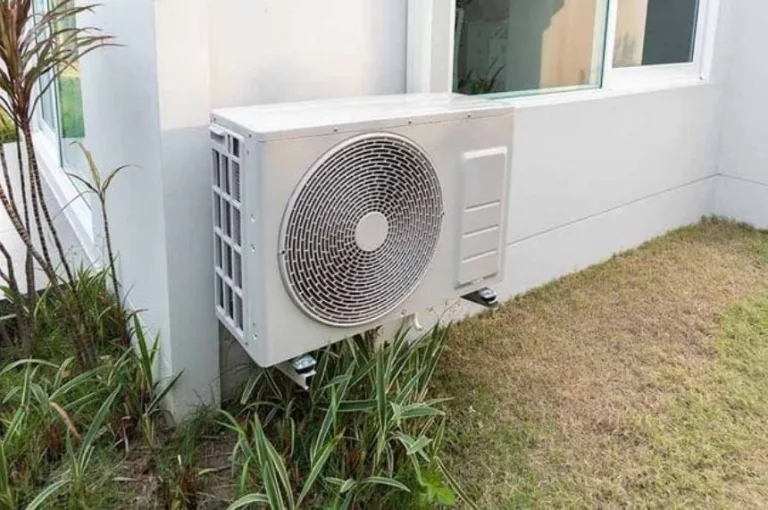
Carbon monoxide buildup typically starts with malfunctioning HVAC systems, blocked chimneys, or improperly operated fuel-burning equipment. Portable generators are especially dangerous, accounting for 40% of CO deaths related to consumer products.
The extreme danger of generators was on full display during power failures in Ukraine, where over 100 people were poisoned (including 41 children) within just two weeks from indoor generator use. Vehicles pose a fatal risk, too. A college student died in Rhode Island after her vehicle’s exhaust pipe was blocked during a blizzard.
| Appliance/Source | Risk Level | Common Point of Failure | Required Preventative Action |
| Gas furnaces | High | Cracked heat exchangers or blocked flues | Annual professional HVAC inspections |
| Portable generators | Severe | Operation in enclosed or semi-enclosed spaces | Operate outdoors, minimum 20 feet from home |
| Gas water heaters | Moderate | Improper ventilation or blocked exhaust drafts | Regular venting checks and professional servicing |
| Attached garages/vehicles | Severe | Idling vehicles in enclosed spaces or snow-blocked exhaust | Never idle indoors; clear snow from tailpipes |
Risk Mitigation and Early Detection
Appliance Maintenance and Ventilation
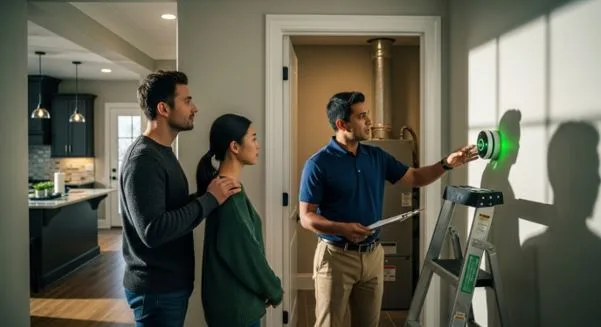
Preventing gas accumulation comes down to strict appliance maintenance and modern ventilation standards. If you own or manage a property, schedule annual professional inspections for every fuel-burning appliance. You need to confirm complete combustion and verify clear airflow pathways.
Here’s the physics: when combustion is incomplete (often due to poor ventilation or mechanical failure), the resulting invisible gas can quickly saturate the indoor environment. Occupants go from headaches and dizziness to severe cognitive impairment and loss of consciousness in a frighteningly short window. Recognizing those symptoms matters, but stopping the mechanical failure that causes them is your real first line of defense.
Getting Detection Systems Right
Your senses can’t detect carbon monoxide. Period. That makes electronic monitoring your only reliable failsafe. And if you’re a property manager or homeowner, going beyond minimal compliance isn’t optional; it’s how you guarantee early warning across every zone of a building.
Here’s what proper detector placement looks like:
- Sleeping quarters: Install alarms outside every separate sleeping area and inside every bedroom.
- Level coverage: Place at least one detector on every level of the home, including the basement.
- Appliance proximity: Keep detectors at least 15 feet from fuel-burning appliances to avoid false alarms.
- Maintenance schedule: Test units monthly and swap backup batteries twice a year (daylight saving time changes are a handy reminder).
The Legal Side of Premises Liability
What Landlords and Operators Owe Tenants
Landlords and commercial operators have a strict legal duty to maintain safe, hazard-free premises. Failing to install functioning detectors or neglecting boiler and furnace maintenance qualifies as severe negligence. And the consequences extend well beyond traditional residential settings.
A recent investigation into travel safety found that vacation rentals often lack safety monitors, contributing to fatal guest poisonings. In Utah, a care facility lost its operating license after three disabled men died from poisoning inside a transport vehicle. So this isn’t just a residential issue; it’s an industry-wide failure of oversight.
Financial Liabilities and Legal Recourse
Juries hold negligent property managers to incredibly high financial standards when inaction leads to injury or death. Moderate poisoning cases can yield settlements up to $500,000. Severe cases routinely exceed $1 million.
The courtroom record includes some staggering penalties. One Wyoming jury awarded $28.5 million to a tenant who suffered permanent brain damage from an unmaintained apartment furnace. In another case, a wrongful death lawsuit settled for $12 million after an 11-year-old hotel guest died from CO exposure.
Successfully litigating a premises liability claim requires demonstrating that a property owner violated their legal duty of care, directly leading to the victim’s injuries. Wyatt Law Firm advocates for Texas residents whose safety has been compromised by exactly this kind of negligence. They investigate maintenance logs and regulatory code violations to hold responsible parties fully accountable. If you’re exploring your options, reviewing Common Questions About Carbon Monoxide Lawsuit Cases is a solid starting point for knowing your legal rights and paths to financial recovery.
What This Means for Property Owners
Carbon monoxide poisoning is highly preventable. But prevention demands two things at once: strict structural maintenance and real legal compliance. The data on emergency room visits and multi-million-dollar verdicts don’t leave much room for half-measures.
If you’re a homeowner, staying on top of appliance health and detector placement directly protects lives. If you manage properties or rent them out, robust and documented maintenance protocols aren’t just good practice; they’re your defense against catastrophic injuries and devastating financial loss. Treating environmental monitoring as a non-negotiable part of property management is the only viable strategy for dealing with a threat you literally can’t see.