Home Security Camera Installation: What to Expect and How to Choose
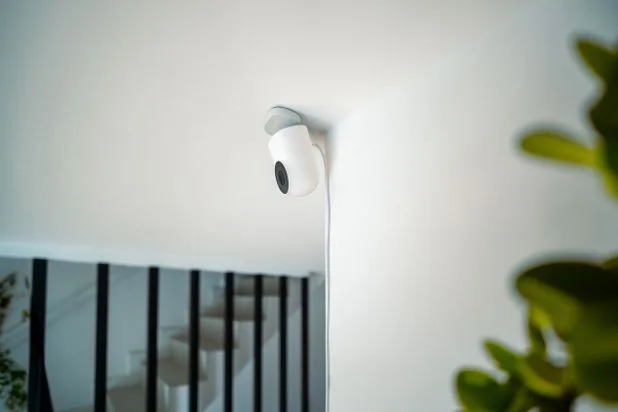
A camera system can help you feel safer at home and when you’re away from home, but choosing the right setup isn’t always straightforward. Between device types, wiring, storage options, and placement decisions, it helps to know what the installation process looks like when weighing your options.
A professional security camera installation usually begins with a property assessment. An installer looks at entry points, blind spots, lighting conditions, Wi-Fi coverage, and the areas you want monitored most closely. This step matters because the best camera is only useful when it is placed where it can capture clear, relevant footage.
What Happens During the Installation Process
The first stage is planning. Your installer may recommend cameras for front doors, driveways, side entrances, garages, backyards, stairwells, storefronts, or loading areas depending on whether the system is for a home, office, or commercial property. They will also consider camera height, viewing angle, glare, night vision performance, and how visible you want the cameras to be. Be aware, however, that due to privacy rights in Ontario, security cameras must be positioned to only capture footage within your property’s boundaries.
Next comes equipment selection. Some systems use wired cameras, while others rely on wireless connectivity. Wired cameras often provide stronger reliability because they are not as dependent on Wi-Fi signal strength. Wireless cameras can be easier to install in certain spaces, but they still need stable power, strong connectivity, and secure network settings.
Once the cameras are mounted, the installer connects them to the recording or cloud storage system. This may include a network video recorder, a mobile app, or a remote monitoring platform. You should also receive a walkthrough showing how to view live footage, check recordings, adjust alerts, and manage user access.
How to Choose the Right Camera System
Start with the purpose of the system. A small home may only need a few cameras covering key access points. A business may need wider coverage, higher-resolution footage, employee access controls, and longer retention periods for recorded video.
Image quality is another important consideration. Higher resolution can help capture faces, licence plates, packages, and suspicious activity more clearly. However, better image quality also requires more storage and stronger network performance.
Don’t treat night vision as an extra feature. Break-ins and trespassing incidents often happen in low-light conditions, which means cameras need to perform well after dark. Look for systems with infrared night vision, wide dynamic range, and strong low-light performance.
Questions to Ask Before Hiring an Installer
Ask your installer about warranty coverage, app support, storage options, ongoing maintenance, and data security. Cameras connected to the internet should be properly password-protected, updated, and configured to reduce privacy and cybersecurity risks.
Choosing With Confidence
A camera system should make your property easier to manage, not harder to understand. The right installer will explain your options clearly, design around your actual risks, and leave you with a system you feel comfortable using. Before making a decision, compare more than price. Choose the team that can help you protect what matters with practical advice, reliable equipment, and a setup custom-built for your space.