Hospital Elevator Manufacturer A Complete Guide
Introduction
Choosing a reliable hospital elevator manufacturer is essential for healthcare facilities that require safe, efficient, and dependable vertical transportation. Hospitals handle patients, medical equipment, staff, and visitors throughout the day. A well-designed hospital elevator helps improve patient movement, support emergency operations, and maintain smooth hospital workflows. Manufacturers develop specialized elevator systems to meet the unique requirements of healthcare environments, including patient beds, stretchers, wheelchairs, and medical carts.
What Is a Hospital Elevator Manufacturer?
A hospital elevator manufacturer designs, produces, and supplies elevator systems specifically for medical facilities. These elevators differ from standard passenger elevators because they require suitable cabin dimensions, reliable operation, smooth movement, and features that support patient transportation.
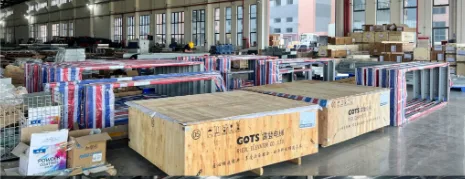
Manufacturers may provide complete elevator solutions, including design consultation, equipment production, installation support, maintenance, and modernization services. Their products are used in hospitals, clinics, medical centers, rehabilitation facilities, and specialized healthcare institutions.
An experienced hospital elevator manufacturer understands the importance of minimizing operational interruptions and meeting applicable building and elevator safety regulations.
Key Features of Hospital Elevators
Hospital elevators require several important features to support healthcare operations.
Spacious Elevator Cabins
A spacious cabin allows beds, stretchers, wheelchairs, and medical equipment to enter and exit comfortably. Manufacturers consider cabin dimensions, door width, and internal layout when designing elevators for different healthcare facilities.
Smooth and Stable Movement
Patients may be transported while receiving medical care, so smooth acceleration and deceleration are important. Properly designed elevator systems help reduce sudden movements and improve passenger comfort during transportation.
Reliable Door Systems
Elevator doors should operate consistently and provide sufficient clearance for medical beds and equipment. Suitable door sensors and safety mechanisms help prevent accidental contact and support safe entry and exit.
Emergency Features
Hospitals need dependable emergency procedures. Depending on the elevator design and applicable regulations, systems may include emergency communication, backup lighting, rescue arrangements, and connections to emergency power systems.
These features should be selected according to the facility’s operational needs and local safety requirements.
Types of Hospital Elevators
A professional hospital elevator manufacturer may offer several elevator configurations.
Bed elevators: These elevators accommodate hospital beds, patients, and accompanying medical personnel. They are commonly installed in multi-story hospitals.
Stretcher elevators: Designed to transport stretchers and essential medical equipment, these elevators support patient transfers between departments.
Service elevators: These systems transport supplies, laundry, food carts, and other operational materials. Separating service movement from patient traffic can improve hospital organization.
Passenger elevators: These elevators serve visitors, healthcare staff, and ambulatory patients. Their capacity and design depend on the building’s traffic requirements.
Selecting the correct elevator type depends on the hospital layout, number of floors, expected traffic, and clinical workflow.
Benefits of Choosing the Right Manufacturer
Working with a qualified hospital elevator manufacturer offers several advantages. First, appropriate elevator planning helps healthcare facilities move patients and equipment efficiently between floors.
Second, dependable equipment can reduce unexpected interruptions when supported by regular inspections and preventive maintenance. This is especially important in hospitals where elevators contribute to daily patient care.
Third, customized designs can address specific building requirements. Manufacturers may adapt cabin sizes, door configurations, control systems, and finishes to suit the available space and intended use.
Finally, professional technical support helps facility managers plan maintenance, identify potential problems, and maintain elevator performance throughout its service life.
How to Select a Hospital Elevator Manufacturer
Selecting a manufacturer requires careful evaluation rather than relying on price alone.
Start by checking the manufacturer’s healthcare project experience. Previous installations in hospitals or medical facilities can demonstrate familiarity with specialized transportation requirements.
Next, review product specifications, rated load capacity, travel speed, cabin dimensions, and door arrangements. These details should match the building’s needs and expected patient traffic.
Safety compliance is another essential consideration. Confirm that the proposed equipment meets applicable elevator codes, accessibility requirements, and relevant local regulations. Request documentation where appropriate.
Also evaluate installation capabilities, spare parts availability, warranty terms, and after-sales service. A responsive maintenance team can help reduce downtime and support long-term reliability.
Finally, compare quotations carefully. Consider installation costs, energy consumption, maintenance expenses, and expected service requirements instead of focusing only on the initial purchase price.
Installation and Maintenance Requirements
Hospital elevator installation begins with a detailed assessment of the building. Engineers evaluate shaft dimensions, structural conditions, electrical requirements, traffic patterns, and emergency access needs.
After installation, the elevator should undergo the required testing, inspection, and commissioning procedures before entering service. Staff should receive appropriate instructions for normal operation and emergency procedures.
Preventive maintenance is equally important. Regular inspections should cover door mechanisms, brakes, control systems, safety devices, leveling accuracy, and other critical components according to the manufacturer’s recommendations and applicable regulations.
Hospitals should maintain service records and establish procedures for reporting faults promptly. Any elevator safety issue should be addressed by qualified technicians before the equipment returns to normal operation.
Energy Efficiency and Modern Technology
Modern hospital elevators may incorporate variable-frequency drives, energy-efficient motors, LED lighting, and standby modes to reduce unnecessary electricity consumption.
Advanced control systems can help manage passenger traffic and improve movement between floors. Monitoring technologies may also help maintenance teams identify developing faults, depending on the equipment installed.
When evaluating these options, hospitals should consider reliability, compatibility, maintenance requirements, and long-term operating costs.
Conclusion
Choosing the right hospital elevator manufacturer is an important decision for healthcare facilities seeking safe patient transportation and efficient building operations. Cabin capacity, smooth movement, dependable doors, emergency features, and regulatory compliance should guide the selection process. By evaluating manufacturing experience, installation quality, maintenance support, and energy efficiency, hospital administrators can identify a suitable elevator solution for their facility. Careful planning and professional servicing help maintain dependable elevator performance and support the daily needs of patients, visitors, and medical staff.