How a Brooklyn Building Loses Its Gas, and Why It Takes So Long to Get Back
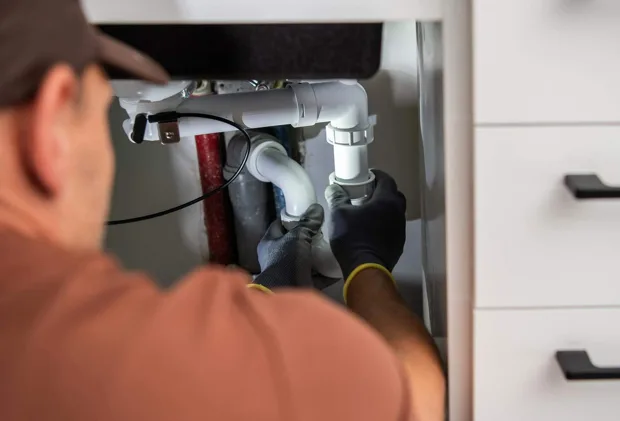
Everyone in this borough knows a building that went dark on gas. Months of hot plates on kitchen counters, an induction burner the landlord bought in a hurry, tenants timing showers around an electric heater rigged into service. The stories travel because the timeline shocks people. A leak takes minutes to find. Restoration takes a season. Ask the Plumbers Brooklyn buildings lean on for gas work and they’ll tell you the whole ordeal follows a script, the same acts in the same order, and that almost every performance was preventable a year earlier for a fraction of the cost.
The Shutoff Arrives From Three Directions
A building loses gas one of three ways. The utility finds a leak, at the meter, on the street side, or during any routine visit where the detector chirps, and locks the meter on the spot. An emergency call brings the fire department and inspectors, someone smells gas at 2 a.m., the response uncovers a problem or an illegal connection, and service stops pending repairs. Or the building’s own plumber, opening the system for legitimate work, finds something that cannot be left as it was and is obligated to make it safe.
Different doors, same room. Once the gas is off, it doesn’t come back on anyone’s honor. It comes back on proof.
Old Pipe Meets a Test It Never Had to Pass
Here’s the cruel mechanic at the center of these sagas. Gas moves through a building at remarkably low pressure, a gentle push that old threaded piping tolerates even with fittings that seep a whisper at a dozen joints. The system ran for ninety years. Nobody died. Everyone assumes it’s fine.
Restoration doesn’t grade on assumptions. Before the meter unlocks, the piping has to hold a pressure test at many times its everyday working pressure, held tight, witnessed, documented. Century-old joints that coasted at a whisper fail that test one after another. The crew chases the first leak, retests, finds the next, retests, and somewhere around the fourth cycle the honest conversation turns to gas repiping, new risers and branches through an occupied building. That, not the original leak, is where the months live.
The Queue Nobody Warned You About
The repairs are only half the calendar. The sequence runs: a licensed master plumber files for the work, the repiping happens, the test gets witnessed, the paperwork clears the city, and then the building waits for the utility’s appointment to unlock the meter. Every handoff has a line in front of it, and the line moves at institutional speed no matter how cold the tenants are.
A crew that has walked buildings along the Fulton Street corridor through this before will triage instead of treating the system as one lump. Isolate the piping serving the boiler and water heater, certify that section first, get heat and hot water flowing while the branch lines feeding forty-year-old ranges wait their turn. Cap what can’t be saved quickly. Restore what matters most. Sequence is a skill, and in these projects it’s the difference between a bad month and a bad winter.
The Inspection Built to Prevent the Whole Saga
The city already runs a defense against all of this. Local Law 152 puts most gas-piped buildings on a recurring inspection cycle, every four years by community district, performed by or under a licensed master plumber, with the findings filed and any conditions corrected inside a defined window measured in months.
The wrinkle owners around Bed-Stuy trip on: one- and two-family homes are exempt. So the single-family brownstone skips it legally, and the identical building next door, a legal three-family, does not, and plenty of owners of the second kind assume they’re the first kind until a violation letter corrects them. For a small multifamily the inspection is a modest recurring cost. Reread the two sections above for what the alternative bills.
What the Inspector Is Actually Looking At
The visit itself is unglamorous and specific. A slow walk of every exposed run with a combustible gas detector, cellar ceilings in Crown Heights getting the closest attention because that’s where the oldest pipe hides. Threads furred with corrosion. Spans sagging without support. A valve painted shut in 1988. An abandoned line still charged with gas, capped with optimism instead of a fitting. The tee somebody added for a dryer one weekend, no permit, no test, the exact species of shortcut that later stars in the 2 a.m. story.
Suspect joints get the soap test, bubbles telling on leaks too faint to smell. Findings get sorted into what must be fixed now, meaning now, and what enters the correction window. Buildings in Bushwick that treat that window as a deadline stay boring. The ones that treat it as a suggestion audition for this article’s opening paragraph.
Cheap Vigilance, Expensive Rescue
Between inspections, the habits that matter cost nothing. Know where the head-of-system shutoff sits before anyone needs it. Take the faint, comes-and-goes gas smell seriously the second time, because noses normalize and leaks don’t heal. Be suspicious after any other trade works near the cellar ceiling, a startling number of these stories start with someone else’s drill. And never, at any price, let unlicensed hands touch gas piping, since the illegal hookup discovered years later triggers the same shutoff as a fresh leak.
Gas restoration is the most expensive plumbing project a building can stumble into, and the least necessary. The boring buildings, inspected on schedule, repaired inside the window, never make it into anyone’s stories. That’s the entire aspiration.
Brooklyn Plumber, 1406 Fulton St, Brooklyn, NY 11216, (929) 755-8936