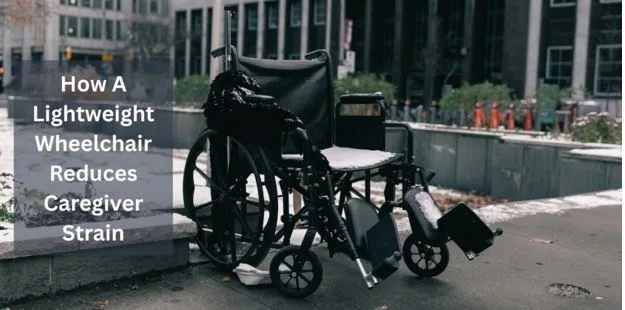
How A Lightweight Wheelchair Reduces Caregiver Strain
Being a caregiver is one of the most rewarding experiences, yet it is usually accompanied by physical difficulties that most individuals do not expect. The strain of daily mobility tasks is one of the most prevalent but neglected problems, particularly in assisting a person with a wheelchair.
The daily lifting, folding, transporting, and pushing of a heavy wheelchair may cause fatigue, muscle pains, and even injury. Whether it is taking it to a car, through small door frames, or just moving it around the house, the strain accumulates. Luckily, mobility aids have helped to decrease that physical burden.
A lightweight wheelchair has the potential to change the way caregivers can help with mobility because it ensures that less effort is needed and makes the experience more comfortable and safer. This article discusses how a lightweight wheelchair can greatly alleviate the caregiver burden and enhance overall mobility assistance.
1. Easy to Maneuver and Push
When the weight of a wheelchair is reduced, the physical load on a caregiver becomes significantly lower. A lightweight wheelchair usually weighs significantly less than standard-powered machines, and that is why they become easier to push and maneuver around the busy corridors or around the furniture.
This minimal effort minimizes the chances of shoulder, back, and arm strain to the person helping. In real life, the fewer kilos to push, the fewer aches at the end of long days of care.
Also, the chairs are lighter and more responsive to turns and adjustments, so the everyday mobility activities are less stressful and more instinctive to the caregivers. This means that pushing and steering are more effective and not as laborious during the day.
2. Comfortable Lifting and Transport
Lifting and moving mobility equipment is one of the most physically demanding aspects of caregiving. Ordinary wheelchairs are cumbersome and bulky and are very difficult to carry to and out of vehicles or even between rooms.
Lightweight designs, on the other hand, are easy to fold and do not require a lot of physical effort on the part of the caregivers since they are much lighter. These more convenient lifting features are especially significant when going through steps, putting the wheelchair into a car trunk, or riding it on buses.
Reduced weight implies fewer risks of sudden muscle strain or discomfort. In the end, this freedom of movement helps with a smoother caregiving process and safeguards your body in the long term.
3. Portable Folding to Carry and Store
Depending on mobility requirements and storage capacity, caregivers usually balance between mobility needs and travelling. Lightweight wheelchairs are compact, foldable, and therefore easier to stow anywhere, even in tight spaces or to carry around during appointments and outings.
Since these chairs are easy to collapse compared to the heavy ones, you do not waste a lot of time trying to move clumsy machinery.
This small size also implies fewer breaks in your everyday routine and more time spent on the individual you are taking care of. Quick folding saves you the physical effort and time of handling gear, whether you are on your way to the family trip or are just in between rooms.
4. Reduced Chances of Injury during Transfers
The physical demand is high when caregivers are involved in transfers, including wheelchair users moving in and out of the chair to the bed or car seat. Heavy wheelchairs are more difficult to move up or down, and there is a higher risk of strain-related injuries.
Lighter chairs reduce this risk because they are easy to deal with safely. This reduces the physical strain on the bodies of caregivers performing transfers since a lighter frame and easier handling give the caregiver more confidence in the process of transferring the individual.
This reduced risk of injury helps caregivers to have better physical health in the long run and a safer experience among wheelchair users.
5. Improved Comfort to Caregivers and Users
Lightweight wheelchairs frequently have ergonomic design features that are helpful to the caregiver and user. The comfortable seating, adjustable armrests, and a rolling wheel are the features that make day-to-day movement more convenient and less exhausting.
A comfortable chair would also need fewer repositioning or corrections during movement, and this means that the caregiver has less repetitive work.
Moreover, such design details will enable caregivers to concentrate on meaningful interaction instead of continuous physical adjustment to create a more positive caregiving experience in general.
6. Durable Materials with Lower Maintenance Demands
Another overlooked factor in caregiver strain is equipment maintenance. Heavier wheelchairs often require more effort to clean, reposition, or repair. In contrast, lightweight models are commonly made from durable yet lighter materials such as aluminum, which resist corrosion and daily wear.
Because these materials are easier to handle, routine cleaning or adjustments require less effort. Moreover, efficient wheel systems and sturdy frames reduce the likelihood of frequent breakdowns.
Fewer maintenance issues mean fewer situations where you must maneuver a malfunctioning chair. As a result, you experience greater reliability and less unexpected physical strain in your daily routine.
Final Thoughts
Reducing caregiver strain begins with choosing equipment that supports both strength and efficiency. A lightweight wheelchair makes daily mobility tasks easier through smoother maneuverability, simpler lifting, compact storage, and safer transfers.
In addition, ergonomic features and durable materials further decrease repetitive stress and maintenance demands. When mobility equipment works with you rather than against you, caregiving becomes more manageable and physically sustainable.
By prioritizing lighter, thoughtfully designed wheelchairs, you protect your own well-being while continuing to provide dependable support. Small changes in equipment can create lasting improvements in comfort, safety, and overall caregiving quality.