How a Liquid Filling System Improves Production Accuracy?
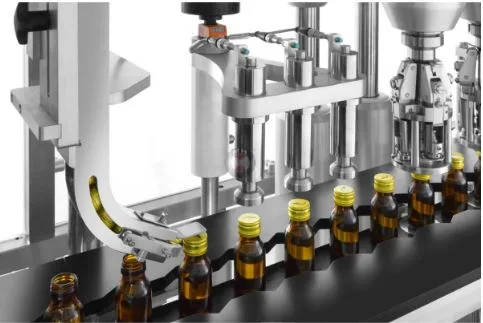
In modern manufacturing, precision is not a luxury; it is a necessity. Industries such as food and beverage, pharmaceuticals, cosmetics, and chemicals rely heavily on accurate measurement and consistent packaging to maintain product quality and regulatory compliance. A liquid filling system plays a central role in ensuring that every bottle, vial, or container receives the exact amount of product required.
Production accuracy directly influences customer trust, operational efficiency, and profit margins. When companies invest in advanced filling technology, they reduce variability and create a streamlined workflow that supports large-scale output. By automating the filling process, manufacturers can achieve repeatable precision that manual methods simply cannot match.
Precision Engineering
Liquid filling systems are built with high-precision components that measure and dispense liquids with remarkable accuracy. These machines often use advanced sensors, flow meters, and calibrated pumps to ensure each container is filled within tight tolerance limits. The engineering behind these systems allows manufacturers to control even the smallest variations in volume.
Modern equipment integrates programmable logic controllers (PLCs) and digital interfaces to maintain consistent performance. This precision engineering eliminates guesswork and ensures that the system operates according to predefined parameters. As a result, production lines can maintain a steady and predictable output, improving overall operational reliability.
Reduced Human Error
Manual filling processes are vulnerable to inconsistencies caused by fatigue, distraction, or miscalculation. Even skilled workers may unintentionally overfill or underfill containers during repetitive tasks. A liquid filling system minimizes this risk by automating measurements and reducing the need for direct human intervention.
Automation ensures that each cycle follows the same programmed instructions, regardless of shift changes or production hours. By limiting human involvement in the actual filling stage, companies significantly reduce variability and improve batch-to-batch consistency. This consistency leads to fewer rejected products and a more stable production environment.
Consistent Volume Control
One of the most critical factors in liquid production is maintaining uniform volume in every package. Customers expect consistent quantity, and regulatory bodies often require strict compliance with labeling standards. A liquid filling system is designed to deliver exact measurements repeatedly, ensuring that every unit meets required specifications.
Advanced systems can be adjusted to fill different container sizes without sacrificing precision. The ability to fine-tune flow rates and fill times ensures that each container receives the correct amount of product. This precise volume control not only improves accuracy but also strengthens brand credibility.
Minimized Product Waste
Overfilling containers might seem harmless, but it results in significant product loss over time. Underfilling, on the other hand, can lead to customer dissatisfaction and compliance issues. A liquid filling system reduces waste by dispensing precise quantities tailored to each container’s capacity.
By optimizing the filling process, companies save raw materials and reduce unnecessary expenses. The system also minimizes spills and leakage during transfer, further contributing to cost savings. Over time, the reduction in waste can translate into substantial financial benefits and improved sustainability practices.
Adaptability to Liquid Types
Different industries handle liquids with varying viscosities, from thin beverages to thick syrups and gels. A high-quality liquid filling system can be customized to accommodate these differences without compromising accuracy. Adjustable nozzles, pressure settings, and pump mechanisms allow the machine to handle diverse product characteristics.
This adaptability ensures that manufacturers can switch between products with minimal downtime. Whether dealing with foaming liquids, corrosive chemicals, or temperature-sensitive solutions, the system maintains stable performance. The flexibility to manage multiple liquid types enhances production accuracy across various applications.
Speed Without Sacrificing Accuracy
High production speed is often associated with reduced precision, but modern liquid filling systems defy this assumption. Advanced automation allows machines to operate at high speeds while maintaining strict measurement accuracy. This balance is achieved through synchronized components and precise timing mechanisms.
By increasing output without compromising volume control, manufacturers can meet market demand efficiently. Faster production cycles also reduce bottlenecks in the packaging line. The result is a seamless workflow that delivers both speed and reliability in equal measure.
Improved Quality Assurance
Quality assurance is a top priority for any manufacturing facility. Liquid filling systems contribute significantly to quality control by ensuring uniform product distribution. Consistent filling reduces the likelihood of defective products reaching the market.
In highly regulated sectors, such as pharmaceuticals, advanced systems like pharmaceutical aseptic filling machines ensure sterile processing and contamination control while maintaining precise volume accuracy. These technologies support strict compliance requirements and enhance overall product integrity, reinforcing consumer trust and regulatory confidence.
Data Tracking and Reporting
Modern liquid filling systems often include digital monitoring and reporting capabilities. These features allow manufacturers to collect real-time data on production volumes, fill accuracy, and operational performance. Access to this data supports informed decision-making and continuous improvement.
By analyzing production metrics, companies can identify inefficiencies and optimize processes. Detailed reporting also simplifies compliance with industry regulations. Accurate documentation of filling operations ensures transparency and accountability throughout the production cycle.
Enhanced Safety Standards
Safety is an essential aspect of any industrial process. Handling liquids, especially chemicals or pharmaceutical ingredients, can pose risks if not managed properly. A liquid filling system reduces direct contact between workers and potentially hazardous substances.
Automated processes minimize spills and exposure, creating a safer working environment. Many systems are designed with protective enclosures and emergency shut-off mechanisms to prevent accidents. By improving safety standards, companies protect both their employees and their operational integrity.
Scalability and Long-Term Benefits
As businesses grow, production demands increase. A well-designed liquid filling system can be scaled to accommodate higher output levels. Manufacturers can add additional filling heads or integrate the system into larger automated production lines.
This scalability ensures that companies can expand without compromising accuracy. Over the long term, the investment in advanced filling technology results in lower operational costs, improved efficiency, and sustained production precision. The ability to grow while maintaining quality provides a competitive advantage in dynamic markets.
Why MH Multipack Stands Out?
MH Multipack Sdn Bhd has earned a reputation for delivering advanced liquid filling solutions tailored to diverse industry needs. With a focus on precision, efficiency, and customization, it provides equipment that supports both small-scale and high-volume production with consistent accuracy. Their machines are designed to handle multiple liquid types while maintaining strict quality control, making them ideal for dynamic manufacturing environments.
Beyond technical capability, MH Multipack emphasizes customer support and ongoing service. From installation to maintenance and training, the company ensures that clients maximize the performance and longevity of their liquid filling systems. Their commitment to innovation and reliability sets them apart as a trusted partner in modern manufacturing.
Conclusion
A liquid filling system is more than just a piece of machinery; it is a cornerstone of accurate and efficient production. From precision engineering to automated quality checks, these systems enhance every aspect of the filling process. By reducing human error, controlling volume consistently, and minimizing waste, they significantly improve overall production accuracy.
In today’s competitive manufacturing landscape, accuracy and efficiency determine success. Investing in advanced filling technology ensures reliable output, stronger quality control, and long-term profitability. Ultimately, it empowers businesses to deliver consistent products that meet both customer expectations and regulatory standards.