How a Montessori Learning Tower Supports Independent Learning at Home
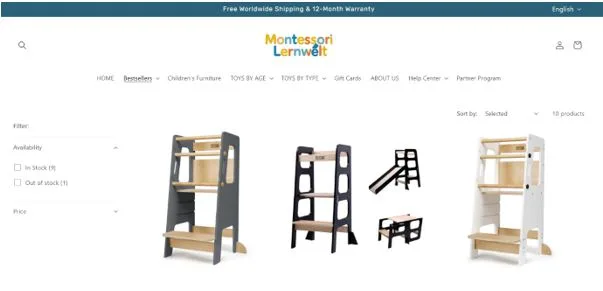
Creating a supportive learning environment at home has become increasingly important for modern families. Parents are looking for practical ways to encourage independence, confidence, and curiosity in everyday routines — not only during playtime, but also in the kitchen, bathroom, and other shared family spaces.
One simple example is the learning tower: a child-safe standing platform that helps young children reach counter height and take part in daily activities more independently. Inspired by Montessori principles, it allows children to participate in real-life tasks through safe, hands-on experiences.
Encouraging Independence Through Everyday Activities
Young children naturally want to explore, imitate adults, and be involved in what is happening around them. Whether it is washing fruit, stirring ingredients, brushing teeth at the sink, or watching a parent prepare dinner, children often learn best when they can actively participate.
A learning tower gives children a more stable place to stand than a regular chair or stool. Instead of being passive observers or asking to be lifted constantly, they can safely join everyday family routines at their own level.
For families searching for a high-quality Montessori Lernturm aus Holz, the main priorities are usually safety, everyday functionality, and a timeless wooden design that fits naturally into the home.
Why Solid Wood Learning Towers Remain Popular
When selecting furniture for young children, parents usually focus on stability, durability, and safe materials. Solid wood learning towers are especially popular because they provide reliable support while also blending well with modern home interiors.
Compared with many plastic alternatives, wooden Montessori-style furniture often offers:
- Long-term durability
- Better weight stability
- Eco-friendly materials
- Timeless minimalist design
- Easy integration into home interiors
Many families also prefer wood because it reflects the Montessori idea of using natural materials that feel calm, simple, and sensory-friendly for children.
Supporting Practical Skills and Development
A learning tower is not only a piece of furniture. Used in everyday routines, it can support several areas of development at the same time.
By helping with small real-life tasks, children can practice:
- Fine motor skills
- Hand-eye coordination
- Balance and body awareness
- Communication with parents
- Problem-solving in simple daily situations
- Focus and patience
These moments do not need to be complicated. Rinsing vegetables, pouring flour, sorting utensils, or helping wipe a table can all become meaningful learning experiences. At the same time, parents and children spend more time together in a natural, relaxed way.
A Practical Long-Term Choice for Families
Many Montessori-style learning towers are designed with adjustable heights or multifunctional features, allowing them to adapt as children grow. This makes them more than a short-term toddler accessory. A well-designed model can support different stages, from early curiosity at the kitchen counter to more independent participation in simple household routines.
As more parents look for child-centered ways to encourage independence at home, Montessori-inspired furniture continues to grow in popularity. A thoughtfully designed learning tower can become a useful part of everyday family life, helping children safely discover the world around them while building confidence step by step.