How a Tablet Press Machine Works in Pharmaceutical Manufacturing
Pharmaceutical tablets may look simple, but the process behind making them is highly controlled and technical. At the center of this process is a tablet press machine, a vital piece of equipment that transforms powdered ingredients into uniform, reliable tablets. Understanding how this machine works helps explain why modern medicines are consistent in quality, weight, and effectiveness.
Below is a clear, step-by-step look at how tablet pressing works in pharmaceutical manufacturing, written in a practical and easy-to-follow way.
What Is a Tablet Press Machine?
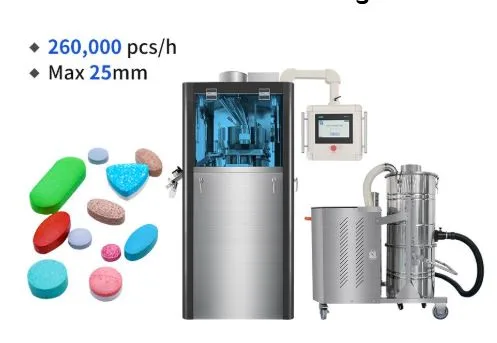
A tablet press machine is a mechanical device used to compress powdered or granulated materials into solid tablets of a specific shape, size, and weight. These machines are widely used in pharmaceutical production to ensure each tablet delivers the correct dose of medication.
Tablet presses come in different sizes and designs, from small single-station units used for research to large rotary machines capable of producing thousands of tablets per minute. Regardless of size, the core working principle remains the same.
Raw Material Preparation Before Compression
Before compression begins, raw materials must be carefully prepared. This step is critical because the quality of the powder directly affects tablet performance.
Pharmaceutical ingredients usually go through:
- Blending to ensure uniform distribution of active ingredients
- Granulation to improve flow and compressibility
- Drying to remove excess moisture
- Sieving to maintain consistent particle size
Once the powder meets quality standards, it is ready to be fed into the tablet press.
Key Components of a Tablet Press
Understanding the main parts of the machine makes the process easier to follow.
Hopper
The hopper holds the prepared powder and feeds it into the machine at a controlled rate.
Dies
Dies determine the tablet’s shape and diameter. Powder fills the die cavity before compression.
Punches
There are two punches: upper and lower. These apply pressure to compress the powder into a solid tablet.
Cam Tracks
Cam tracks guide punch movement, ensuring precise timing and consistent compression.
Turret
In rotary machines, the turret rotates continuously, allowing multiple tablets to be produced at the same time.
Step-by-Step Tablet Compression Process
Powder Filling
The powder flows from the hopper into the die cavity. The lower punch position controls how much powder enters, which directly affects tablet weight.
Metering
Excess powder is removed, leaving a precise amount inside the die. This ensures uniform dosage across all tablets.
Compression
The upper punch descends while the lower punch rises. High pressure is applied, bonding the powder particles together to form a solid tablet.
Ejection
After compression, the upper punch retracts and the lower punch pushes the finished tablet out of the die. The tablet then moves to a collection tray or conveyor belt.
Quality Control During Tablet Pressing
Pharmaceutical manufacturing demands strict quality control, and tablet presses are designed with this in mind.
Modern machines monitor:
- Tablet weight
- Thickness
- Hardness
- Compression force
If a tablet falls outside acceptable limits, the machine can automatically adjust settings or stop production. This real-time monitoring helps maintain consistent product quality and reduces waste.
Types of Tablet Press Machines
Single-Station Tablet Press
Used mainly in laboratories and small-scale production, these machines produce one tablet per cycle and allow for detailed testing and formulation adjustments.
Rotary Tablet Press
Common in large-scale manufacturing, rotary presses use multiple punches and dies mounted on a rotating turret, enabling high-speed production with excellent consistency.
Why Tablet Press Machines Matter in Pharmaceuticals
Tablet presses play a major role in ensuring medication safety and reliability. Proper compression affects:
- How tablets dissolve
- How active ingredients are released
- Tablet durability during packaging and transport
A well-calibrated press ensures that every tablet performs as intended, which is essential for patient trust and regulatory compliance.
Maintenance and Operational Best Practices
Regular maintenance keeps tablet presses running smoothly and prevents production issues. Best practices include:
- Routine cleaning to avoid cross-contamination
- Inspecting punches and dies for wear
- Calibrating compression force regularly
- Training operators to recognize early warning signs
Good maintenance not only extends machine life but also protects product quality.
Final Thoughts
Tablet manufacturing is a precise process, and the tablet press machine sits at its core. From powder preparation to final tablet ejection, every step is carefully controlled to ensure accuracy, consistency, and safety. By understanding how these machines work, it becomes clear why they are indispensable in pharmaceutical production and why proper operation and maintenance are so important.