How Advanced Manufacturing Technologies Improve Electronics Quality and Consistency
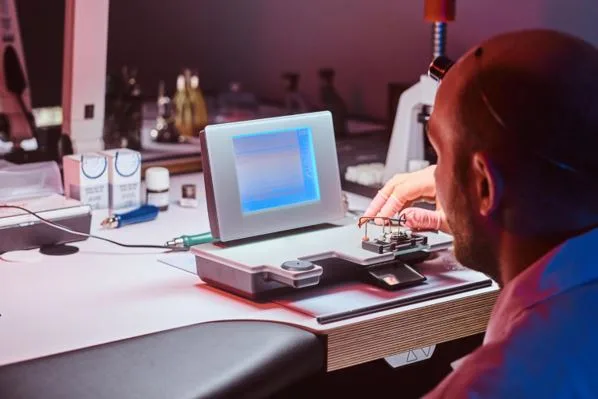
The present-day electronics demand more precise manufacturing as regards production processes. No matter whether it’s a simple device or a complex machine, any slight change in manufacturing will lead to some difference in the yield, operation, lifetime of the item. At this point in time, the role of electronic manufacturing solutions and advanced technologies becomes very important.
Advanced manufacturing combines automation, robotics, data analytics, precision equipment, and connected production systems to improve efficiency while reducing variability. These technologies allow manufacturers to monitor processes more closely and maintain greater consistency across production runs.
Automation Reduces Manufacturing Variability
Manual processes can introduce differences between individual production cycles, particularly when tasks are repetitive or require precise positioning. Automated manufacturing equipment can perform these operations according to predefined parameters, helping reduce variation caused by manual intervention.
Consistency is especially crucial with the manufacturing of smaller or more fragile parts for manufacturers in the electronics sector. By using automated machinery, it may be easier to manage the components consistently, making sure that the various production processes are carried out correctly.
When the automation system takes responsibility of carrying out repetitive production steps, operator fatigue is alleviated and consistency of operation is enhanced. With automation, highly skilled employees can concentrate on other work such as checking and fixing issues.
Precision Technologies Improve Component Accuracy
Electronics manufacturing often involves components and connections that require very precise tolerances. Advanced machinery can perform detailed manufacturing and assembly operations with a high degree of repeatability.
Technologies such as computer-controlled equipment, automated optical inspection, laser processing, and precision assembly systems can help identify or prevent manufacturing variations. When integrated appropriately into a production environment, these technologies support more consistent results across larger production volumes.
Real-Time Data Supports Better Quality Control
One of the major advantages of advanced manufacturing is the ability to collect and analyze production data. Sensors and connected equipment can provide information about machine performance, environmental conditions, production parameters, and potential process abnormalities.
This data can help manufacturers detect problems before it can cause them to produce larger batches of faulty products. Quality teams can track quality during the manufacturing process and make adjustments if needed, instead of relying solely on final inspections.
A continuous monitoring system can also enable teams to react swiftly when equipment or process parameters stray from normal. It’s a fact that small problems can be prevented from becoming big production problems when people are given the chance to get involved early.
Automated Inspection Helps Detect Defects
Quality inspection is essential in electronics manufacturing because defects that pass-through production can affect product reliability and increase costs later in the supply chain.
Automated inspection technologies can inspect components and assemblies by programmed quality criteria, cameras and sensors. For instance, automated optical inspection can also assist in detecting visual problems like component placement mistakes, soldering irregularities, and others.
By combining automated inspection with human expertise, manufacturers can establish multiple quality checkpoints throughout production rather than depending on a single inspection stage.
Advanced Manufacturing Supports Repeatable Production
It is particularly important that consistency occurs when electronics manufacturers transition from prototype to increased production. If it is possible to have the process that works for a small batch continue to meet the same output specifications as the number of items increases.
Advanced manufacturing systems can help to ensure production parameters, equipment and workflows are coordinated and repeatable for larger production runs. This enables the manufacturer to scale manufacturing without having to shift processes from what was planned for development and testing.
Why Consistency Matters in Electronics
The appearance of an electronic product isn’t all that’s affected by quality and consistency. Changes in components, assembly or manufacturing can impact performance, durability, safety and reliability.
In a manufacturing context, quality consistency can help decrease rework, waste and ensure reliable product performance. It further aids to ensure that electronics that are off the production line adhere to the specifications set out in design and testing.
Building a More Reliable Manufacturing Process
Technology alone does not guarantee quality. Effective manufacturing also requires experienced personnel, clearly defined workflows, appropriate testing, equipment maintenance, and continuous quality improvement.
When these elements work together, manufacturers can establish clear production standards and respond more effectively to issues that arise during manufacturing. This combination of technology, expertise, and process discipline creates a stronger foundation for reliable electronics production.
The Role of Advanced Manufacturing Partners
As electronics become more sophisticated, manufacturers may need production partners with specialized equipment, technical expertise, and the ability to adapt to changing requirements. The right partner can help connect manufacturing capabilities with a product’s design specifications, testing requirements, and production goals.
Global IMI supports electronics manufacturers with capabilities designed around quality, precision, and reliable production. For companies evaluating precision manufacturing services, the combination of advanced technology, process control, and manufacturing expertise can provide a stronger foundation for consistent electronics production.