How Advanced Medical Devices Support Modern Aesthetic and Diagnostic Healthcare Services?
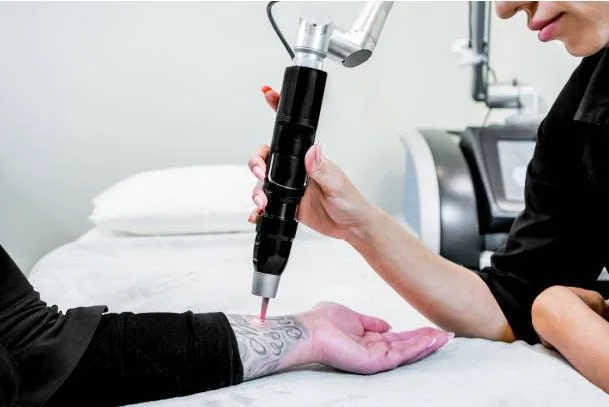
Healthcare technology continues to evolve as patients seek effective aesthetic treatments and faster diagnostic services. Advanced devices now support specialized procedures while improving clinical efficiency and patient convenience. A tattoo removal laser system enables aesthetic professionals to address unwanted tattoos through targeted laser technology.
Meanwhile, an infectious disease test kit supports diagnostic workflows by helping healthcare providers identify specific infections.
Together, these technologies demonstrate how specialized medical devices contribute to modern healthcare services.
How Does a Tattoo Removal Laser System Improve Modern Aesthetic Treatment Solutions?
A tattoo removal laser system is an aesthetic medical device designed to reduce the appearance of unwanted tattoos. It uses controlled laser energy to target tattoo pigments within the skin. The selected laser wavelength can interact with specific pigment colors, supporting the gradual breakdown of tattoo ink. The body’s natural processes can then remove fragmented pigment particles over time. Treatment parameters depend on tattoo characteristics and professional assessment.
Modern aesthetic clinics increasingly require technologies that support precise and customized treatment approaches. A tattoo removal laser system allows practitioners to adjust treatment parameters according to factors such as tattoo color, depth, size, and location. Professional customization is important because different tattoo pigments can respond differently to laser energy. Advanced systems can therefore help practitioners develop treatment strategies that align with individual patient requirements and clinical considerations.
Manufacturers such as Rduida Technology play an important role in this development by focusing on specialized aesthetic equipment. The advancement of laser systems can involve improvements in energy control, treatment flexibility, operational design, and user interfaces. These developments can help qualified practitioners deliver more controlled procedures while maintaining appropriate safety protocols. Consequently, medical device innovation continues to influence how aesthetic clinics expand their treatment capabilities.
Why Are Infectious Disease Test Kits Essential for Modern Diagnostic Healthcare Services?
An infectious disease test kit is a diagnostic product designed to help detect specific pathogens, biomarkers, or indicators associated with infectious diseases. Depending on the test technology and intended application, these kits can support the identification of viral, bacterial, or other infectious conditions. They are used within appropriate healthcare and laboratory workflows to provide information that can assist qualified professionals with clinical decision-making.
Rapid and reliable diagnostic information is increasingly important in modern healthcare. An infectious disease test kit can support timely testing when healthcare providers need information about a suspected infection. Earlier diagnostic insights may help professionals determine appropriate next steps, including further testing, patient management, or treatment decisions. However, test results should always be interpreted according to the specific product instructions, clinical context, and applicable professional guidelines.
Neo Nostics Bioengineering represents the type of specialized organization contributing to diagnostic technology development. By focusing on infectious disease testing solutions, companies in this field can help strengthen diagnostic capabilities across healthcare settings. Continued innovation may improve testing accessibility, workflow efficiency, and the availability of specialized diagnostic tools. These developments are particularly valuable as healthcare providers continue seeking technologies that support informed and timely decisions.
What Connects Tattoo Removal Laser Systems and Infectious Disease Test Kits in Healthcare Technology Innovation?
Although a tattoo removal laser system and an infectious disease test kit serve very different medical purposes, both demonstrate the growing importance of specialized healthcare technologies.
Their connection can be understood through several important areas:
- 1. Specialized clinical applications: Both technologies are designed for specific healthcare needs rather than general-purpose use. Laser systems support aesthetic procedures, while diagnostic kits support infectious disease testing.
- Technology-driven healthcare: Each product relies on scientific and engineering principles to address practical healthcare requirements. Their development combines technical design with clinical application.
- Precision and controlled performance: A tattoo removal laser system requires controlled energy delivery, while an infectious disease test kit requires appropriate testing procedures and interpretation. Performance depends on following validated protocols.
- Professional utilization: Both technologies are intended for appropriate healthcare environments and should be used by qualified professionals according to applicable instructions, training, and regulations.
- Improved service capabilities: Aesthetic providers can expand treatment options through advanced laser equipment, while diagnostic organizations can strengthen testing capabilities through suitable diagnostic products.
- Patient-centered healthcare: Both technologies ultimately support services designed around specific patient needs. One addresses aesthetic concerns, while the other provides diagnostic information relevant to infectious disease management.
- Continuous innovation: Manufacturers in both sectors continue improving device functionality, usability, reliability, and workflow integration. This innovation helps healthcare providers respond to evolving service requirements.
How Are Rduida Technology and Neo Nostics Bioengineering Advancing Medical Device Innovation?
Rduida Technology contributes to the aesthetic technology sector through solutions such as the tattoo removal laser system. The development of specialized laser equipment requires attention to treatment precision, operational flexibility, energy management, and practitioner usability. These considerations can help aesthetic professionals incorporate advanced equipment into their clinical environments. As demand for aesthetic procedures continues to diversify, manufacturers that develop adaptable and professionally oriented technologies can support clinics seeking to expand their treatment portfolios.
Meanwhile, Neo Nostics Bioengineering contributes to diagnostic healthcare through technologies such as the infectious disease test kit. Diagnostic device development requires careful attention to testing methodology, product consistency, usability, and quality standards. Reliable diagnostic tools can help healthcare providers and laboratories obtain relevant information through established testing workflows. As infectious disease management remains an important healthcare priority, diagnostic manufacturers have opportunities to strengthen testing infrastructure through specialized solutions.
The two companies operate in different areas, but their contributions demonstrate a common direction within medical device innovation. Healthcare providers increasingly require equipment that is specialized, practical, and aligned with modern clinical workflows. Manufacturers must therefore combine technological development with usability, quality management, and regulatory considerations. This approach can help medical devices deliver meaningful value across both aesthetic and diagnostic healthcare environments.
Conclusion:
Advanced medical devices are reshaping both aesthetic and diagnostic healthcare services. A tattoo removal laser system provides specialized technology for aesthetic treatment, while an infectious disease test kit supports important diagnostic workflows. Rduida Technology and Neo Nostics Bioengineering demonstrate how specialized manufacturers can contribute to these evolving healthcare sectors.
Through continued innovation, quality-focused development, and professional application, advanced medical technologies can help healthcare providers expand services and respond more effectively to changing clinical and patient needs.