How AI Can Help Clinics Handle Growing Patient Volumes
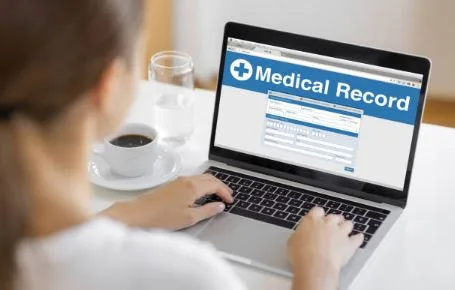
Healthcare providers across the world are facing a common challenge: managing increasing patient volumes without compromising care quality. As demand for healthcare services continues to rise, clinics are searching for ways to improve efficiency, reduce administrative burdens, and support clinicians who are already stretched thin.
Artificial intelligence is emerging as a practical solution to these challenges. From streamlining documentation to automating administrative tasks, AI technologies are helping clinics serve more patients while maintaining high standards of care.
The Growing Pressure on Modern Clinics
Many clinics are experiencing higher patient demand due to aging populations, increased access to healthcare services, and growing rates of chronic conditions. While patient numbers continue to rise, staffing levels often struggle to keep pace.
As a result, physicians and support staff spend significant time managing records, completing forms, and updating systems instead of focusing on patient care. These administrative responsibilities contribute to delays, longer wait times, and clinician burnout.
This is where AI-powered healthcare solutions can make a meaningful difference.
Reducing Documentation Burden Through AI
Clinical documentation remains one of the most time-consuming aspects of healthcare delivery. Physicians often spend hours creating notes, updating records, and ensuring compliance requirements are met.
Modern ai clinical documentation platforms help automate many of these tasks. Using advanced language processing and ambient voice technology, these systems can capture conversations during patient visits and generate structured documentation automatically.
Instead of manually typing every detail, clinicians can review and approve generated notes, saving valuable time throughout the day.
Solutions such as Notiro AI are designed to support healthcare teams by reducing documentation workload while improving overall efficiency.
How AI Medical Scribes Improve Productivity
An AI Medical scribe can assist providers by listening to patient encounters and creating clinical records in real time. This approach minimizes manual data entry and allows physicians to focus on patient interactions.
Key benefits clinics often experience include:
- Faster documentation completion
- Reduced after-hours charting
- Improved provider productivity
- More patient-facing time
- Greater documentation consistency
These improvements can significantly enhance daily operations, particularly in high-volume clinical environments.
Streamlining Patient Intake Processes
Managing growing patient numbers begins long before the appointment starts. Traditional registration and intake processes often require repetitive paperwork and manual data entry.
With ai patient intake solutions, clinics can automate information collection, verify details before appointments, and reduce administrative workload for front-office teams.
This not only improves efficiency but also creates a smoother patient experience. Staff members spend less time processing forms and more time assisting patients who require personal attention.
As patient volumes increase, intake automation becomes an important strategy for maintaining operational efficiency.
The Role of Ambient Clinical Intelligence
One of the most promising developments in healthcare technology is ambient clinical intelligence. These systems operate in the background, capturing relevant information from patient interactions without disrupting clinical workflows.
Unlike traditional medical dictation tools that require active participation from providers, ambient systems work more naturally during conversations.
The rise of ambient ai healthcare solutions reflects a broader shift toward reducing administrative friction and allowing clinicians to spend more time delivering care.
When documentation happens automatically, clinics can often accommodate more patient visits without increasing workload for providers.
Improving EHR Workflows
Many healthcare organizations struggle with inefficient workflows caused by disconnected systems and excessive data entry requirements.
Successful ehr integration allows AI solutions to work directly with existing ehr software, reducing duplicate tasks and improving information flow across the organization.
When documentation, scheduling, and patient records are connected, clinicians can access information more quickly and complete administrative tasks with fewer interruptions.
Integrated workflows are especially valuable for clinics experiencing rapid growth in patient demand.
Financial Benefits for Healthcare Organizations
Beyond operational improvements, AI adoption can deliver measurable financial advantages.
Healthcare leaders often evaluate solutions based on expected medical scribe roi and overall efficiency gains. Reducing documentation time can lower administrative costs while improving provider productivity.
Many organizations also consider potential ai scribe cost savings when comparing technology investments to traditional staffing models.
As clinics seek scalable solutions for handling higher patient volumes, automation can provide long-term value without requiring significant workforce expansion.
Better Documentation Quality at Scale
Maintaining accurate healthcare documentation becomes increasingly challenging as patient numbers grow. AI-powered tools help standardize records and improve consistency across providers.
Automated systems can assist with generating soap notes, organizing clinical information, and supporting compliance requirements.
Many platforms also function as an ai transcription tool, converting spoken conversations into structured records that can be reviewed and finalized efficiently.
This level of consistency becomes especially important for multi-provider clinics and growing healthcare organizations.
Looking Ahead
The demand for healthcare services is expected to continue increasing in the coming years. Clinics that rely solely on traditional workflows may struggle to keep pace with rising patient expectations and operational demands.
Technology solutions such as Notiro are helping healthcare organizations address these challenges through intelligent automation, streamlined workflows, and enhanced documentation capabilities. As decision-makers evaluate factors such as Notiro pricing, many recognize that AI is no longer simply a future innovation—it is becoming an essential tool for managing growth.
By combining automation, intelligent documentation, and integrated workflows, AI enables clinics to serve more patients efficiently while preserving the quality of care that patients expect.