How AI Is Reshaping the Gaming Industry
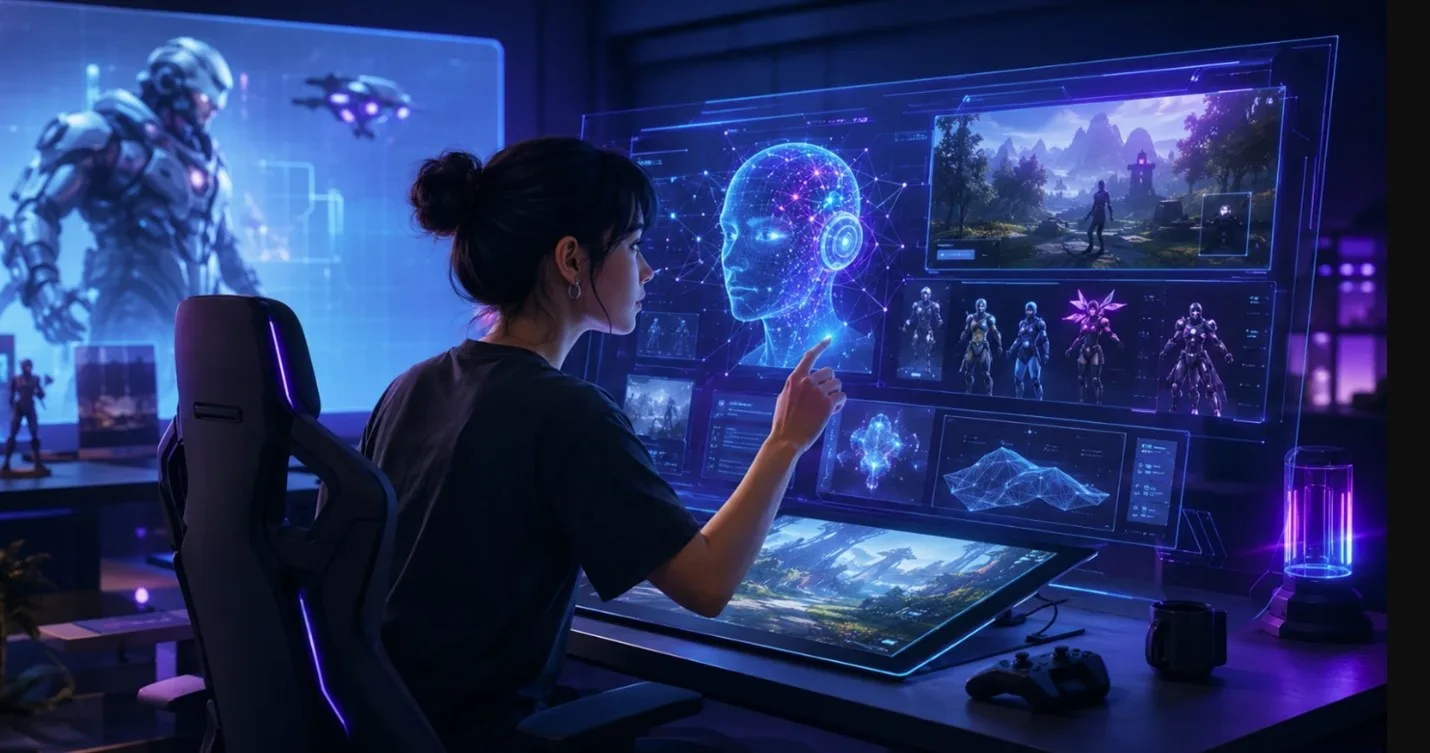
AI is changing gaming in practical ways. It helps developers test faster, create smarter systems and understand player behaviour with more detail. The effect is not always obvious to users, but it is already shaping the games they play.
The strongest use of AI is not replacing creativity. It is reducing repetitive work and improving decision-making. Developers still need taste, design judgement and cultural understanding.
For gaming technology context, https://nightwincasino-uk.com/ shows how digital platforms rely on smarter systems. Nightwin operates with over 3,000 games from providers like NetEnt, Pragmatic Play and Evolution, and uses AI-driven recommendation engines to personalise content. Personalisation and security both depend on good data handling, including real-time monitoring of transactions and behaviour patterns.
AI in Game Design and Testing
Game testing is time-consuming. AI can help detect bugs, simulate player behaviour and find balance problems earlier. This saves teams time before release.
AI can support:
- automated bug detection;
- difficulty balancing;
- content testing;
- player behaviour analysis;
- faster localisation checks;
- fraud pattern detection.
These tools help teams work faster, but they do not remove the need for human review. A game can function well and still feel wrong without creative judgement. Platforms like Nightwin also apply similar systems to monitor gameplay fairness, using algorithms to detect irregular betting patterns across thousands of sessions daily.
Personalized Player Experiences
AI can adjust recommendations, difficulty and in-game offers based on how people actually play. This can make games feel more relevant and less random.
The challenge is trust. Players may enjoy better recommendations, but they do not want to feel manipulated. Personalisation needs to be useful, not pushy. Nightwin, for example, uses behavioural segmentation to tailor bonuses, with over 50 active promotions updated dynamically based on user activity and preferences.
What’s Next for AI in Gaming
The next stage will likely involve smarter non-player characters, faster content production and more adaptive game worlds. Developers may use AI to build prototypes quickly before refining them manually.
Gaming will still need human ideas. AI can support the process, but the emotional reason people play comes from design, story, challenge and community. As seen with platforms, combining AI with structured data systems and licensed frameworks (such as UKGC compliance) will define how future gaming ecosystems evolve.