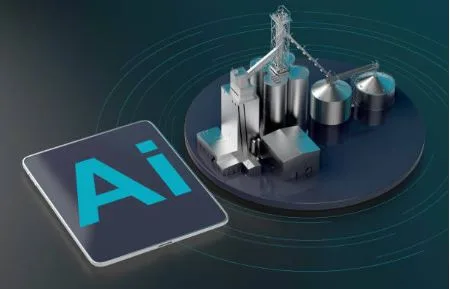
How AI Is Revolutionizing Industrial Asset Management
In industries from manufacturing to energy, the performance of physical assets is directly linked to profitability and operational success. For decades, managing this equipment often followed a reactive model, where maintenance was performed only after a breakdown occurred. This approach leads to unplanned downtime, costly emergency repairs, and significant disruptions to productivity. Today, a technological evolution is underway, changing the very nature of asset management.
The critical shift from reactive to predictive maintenance
The traditional “break-fix” model of maintenance is inherently inefficient. It forces organizations to be in a constant state of reaction, addressing problems as they arise rather than preventing them. This not only impacts production schedules but can also pose significant safety risks if critical equipment fails unexpectedly. The costs associated with this model extend beyond simple repairs to include lost revenue and potential damage to a company’s reputation.
The modern alternative is predictive maintenance, a proactive strategy powered by data. Instead of waiting for an asset to fail, this approach uses technology to forecast when maintenance will be needed. By addressing potential issues before they become critical failures, companies can schedule repairs during planned downtime, ensuring minimal disruption and maximizing the lifespan of their equipment.
The role of AI and IoT in modern EAM systems
This transition to a predictive model is made possible by the convergence of the Industrial Internet of Things (IIoT) and artificial intelligence (AI). IIoT sensors embedded in machinery constantly collect real-time data on a wide range of operational parameters, such as temperature, vibration, and energy consumption. This stream of information provides an unprecedented view into the health of each asset.
However, data alone is not enough. AI algorithms are the engine that turns this raw data into actionable intelligence. By analyzing historical and real-time data, AI can identify subtle patterns that precede a mechanical failure. This ability to forecast issues allows maintenance teams to move from a calendar-based schedule to a condition-based one, performing work only when it is truly necessary.
Key features transforming industrial operations
Modern Enterprise Asset Management (EAM) platforms integrate these advanced technologies to provide a centralized hub for overseeing all aspects of an asset’s lifecycle. These systems offer a comprehensive view of equipment health, maintenance history, and performance metrics, empowering managers to make informed decisions.
The core of this transformation lies in the capabilities of AI-driven EAM software, which automates the analysis of complex datasets. This enables the system to generate predictive alerts, recommend specific maintenance tasks, and even optimize the inventory of spare parts needed for future repairs. This level of automation frees up personnel to focus on more strategic initiatives.
For organizations looking to gain a competitive edge, finding the best maintenance management software involves identifying a solution that aligns with their specific operational needs. The goal is to implement a platform that not only predicts failures but also streamlines workflows and enhances collaboration between teams.
The benefits of adopting such an integrated system are substantial. Key advantages include:
- Optimized maintenance scheduling to reduce downtime.
- Improved inventory management for spare parts.
- Enhanced workplace safety through failure prevention.
- Extended lifespan of critical equipment.
Preparing for a data-driven industrial future
The future of industrial operations will be defined by data. Embracing AI-powered asset management is no longer just an option for improvement but a strategic necessity for long-term survival and growth. Companies that successfully integrate these tools can expect significant returns through increased efficiency, lower operational costs, and greater resilience.
This transition requires more than just a technological investment. It also involves fostering a data-centric culture and upskilling the workforce to effectively use these new systems. Technicians and engineers will need to be comfortable interpreting data and collaborating with AI-driven insights to perform their jobs effectively.
Embracing a smarter approach to asset management
The integration of AI is fundamentally reshaping industrial asset management, transforming it from a necessary cost center into a powerful driver of strategic value. By shifting from a reactive to a predictive mindset, businesses can unlock new levels of productivity and reliability. For leaders aiming to future-proof their operations, exploring how these intelligent platforms can be applied within their organization is a critical step toward building a more efficient and competitive enterprise.