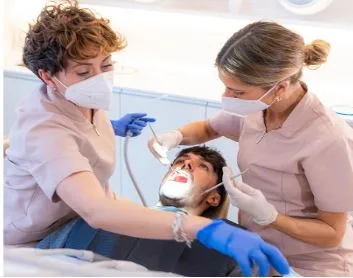
How an Emergency Dentist Can Save Your Tooth: Immediate Treatment for Dental Pain & Accidents
Dental problems can happen when you least expect them. A sudden toothache, a broken tooth, or bleeding gums can feel scary and painful. In these moments, quick care is very important. Getting help from an emergency dentist can often mean the difference between saving or losing your tooth.
Why Quick Action Matters in a Dental Emergency
When a dental injury or severe pain occurs, time is critical. According to the American Dental Association, many dental problems become worse if treatment is delayed.
Fast treatment can:
- Reduce severe pain
- Stop infection from spreading
- Prevent permanent tooth loss
- Lower the cost of future treatment
- Protect your overall oral health
Even if the pain seems manageable, waiting too long can turn a small issue into a serious one.
Common Situations That Require an Emergency Dentist
Not every dental problem is urgent, but some clearly need immediate care. You should seek emergency dental help if you experience any of the following:
Severe tooth pain
- Constant throbbing pain
- Pain that keeps you awake at night
- Sensitivity with swelling
Knocked-out tooth
- A tooth completely comes out
- Heavy bleeding from the socket
- Injury during sports or accidents
Broken or cracked tooth
- Sharp edges cutting your tongue or cheek
- Visible fracture
- Pain when biting
Swelling or infection
- Puffy face or gums
- Bad taste in the mouth
- Fever with tooth pain
Lost filling or crown
- Sudden sensitivity
- Exposed tooth surface
- Pain while eating
If you notice any of these signs, contacting a dental professional right away is the safest step.
What an Emergency Dentist Does During Immediate Treatment
Many people feel nervous because they don’t know what will happen during an urgent dental visit. In reality, the process is usually straightforward and focused on relief.
Here is what typically happens:
Fast pain control
The first goal is to reduce discomfort. The dentist may:
- Use numbing medicine
- Prescribe pain relief
- Treat the source of pressure
Careful examination
The dentist will check:
- Teeth and gums
- X-rays if needed
- Signs of infection or damage
Tooth-saving procedures
Depending on the problem, treatment may include:
- Reattaching a knocked-out tooth
- Repairing cracks
- Root canal therapy
- Temporary or permanent fillings
The main focus is always to save the natural tooth whenever possible.
When a Tooth Cannot Be Saved
Sometimes, despite quick care, the damage is too severe. This can happen if:
- The tooth is badly shattered
- Infection has spread deeply
- The tooth root is fractured
- Treatment was delayed too long
When removal becomes necessary, modern dentistry offers comfortable replacement options. One of the most popular and patient-friendly choices today is flexible dentures.
How Flexible Dentures Help Restore Your Smile
Flexible dentures are a modern alternative to traditional rigid dentures. They are made from soft, bendable material that fits more naturally in the mouth.
Many patients prefer them because they are:
- Lightweight
- Comfortable
- Natural-looking
- Less bulky than metal-based dentures
After emergency tooth removal, these dentures can help you eat, speak, and smile with confidence again.
Key Benefits of Flexible Dentures After Tooth Loss
Comfortable fit
Unlike hard plastic dentures, flexible ones gently adapt to your gums. This reduces sore spots and irritation.
Why this matters:
- Less rubbing on gums
- Better for sensitive mouths
- Easier to wear all day
Natural appearance
The material blends with the color of your gums, making the denture less noticeable.
Patients often like that:
- There are no visible metal clasps
- The smile looks more natural
- Photos look better
Strong yet lightweight
Flexible dentures are durable but not heavy.
Benefits include:
- Easier chewing
- Less pressure on gums
- Comfortable speech
Quick adjustment period
Many people adapt faster compared to traditional dentures.
Emergency Dentist vs. Regular Dentist: What’s the Difference?
Both professionals care for teeth, but their roles during urgent situations differ.
Emergency dental care focuses on:
- Same-day or urgent appointments
- Severe pain relief
- Trauma and accidents
- Infection control
Regular dental visits focus on:
- Routine checkups
- Cleanings
- Long-term treatments
- Preventive care
If you are unsure where to go, clinics like OSM Indenture often guide patients on whether immediate care is needed.
Smart Steps to Take Before You Reach the Clinic
What you do in the first few minutes can help protect your tooth.
If a tooth is knocked out:
- Pick it up by the crown (top), not the root
- Rinse gently with clean water
- Place it in milk if possible
- Visit a dentist within 30–60 minutes
If you have severe tooth pain:
- Rinse with warm salt water
- Use a cold compress outside the cheek
- Avoid chewing on that side
- Do not place aspirin directly on gums
If a tooth breaks:
- Save any pieces
- Rinse your mouth gently
- Cover sharp edges with dental wax if available
These simple actions can greatly improve the chances of saving your tooth.
How to Prevent Future Dental Emergencies
While accidents cannot always be avoided, many emergencies are preventable with good habits.
Protective steps include:
- Brush twice daily with fluoride toothpaste
- Floss every day
- Wear a mouthguard during sports
- Avoid chewing ice or very hard foods
- Visit your dentist regularly
- Treat small cavities early
Prevention is always easier and less costly than emergency treatment.
FAQs
What counts as a real dental emergency?
A true emergency includes severe pain, heavy bleeding, swelling, or a knocked-out tooth. If the problem affects your ability to eat, sleep, or function normally, seek urgent care.
How quickly should I see an emergency dentist after losing a tooth?
Ideally within 30 minutes. The faster you get treatment, the higher the chance the tooth can be saved.
Are flexible dentures better than traditional dentures?
For many people, yes. They are often more comfortable, lighter, and more natural-looking. However, the best option depends on your specific dental condition.
Will emergency dental treatment hurt?
Dentists focus first on pain relief. Modern numbing methods make most emergency treatments much more comfortable than people expect.
How long do flexible dentures last?
With proper care, they can last several years. Regular dental checkups help ensure they continue to fit well.
Can children visit an emergency dentist?
Yes. Children often need urgent dental care after falls or sports injuries. Quick treatment is especially important for growing teeth.
Conclusion
Dental emergencies can be frightening, but fast action can protect your smile. An emergency dentist is trained to relieve pain quickly, control infection, and often save damaged teeth. When a tooth cannot be preserved, flexible dentures provide a comfortable and natural-looking solution that helps restore confidence and daily function.