How Are Pool Heat Pump and Modular STP Technologies Shaping Modern Water Management?
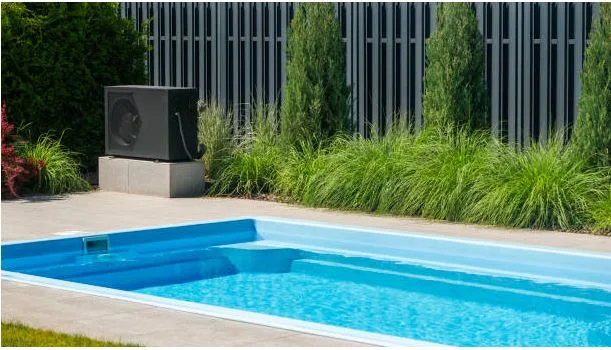
Modern water management increasingly depends on technologies that improve efficiency, reliability, and operational flexibility. A pool heat pump provides controlled swimming pool temperatures while using heat-transfer technology rather than conventional direct heating. Meanwhile, a modular STP offers a flexible approach to treating wastewater in locations with different capacity requirements.
Both technologies are evolving as businesses seek practical infrastructure solutions. This article explores their benefits, innovations, applications, and the roles of Devotion HVAC and ZQQD.
Why Are Pool Heat Pump Systems Gaining Popularity?
A pool heat pump is a heating system that transfers heat from surrounding air into swimming pool water. Instead of generating heat directly through combustion or electrical resistance, it uses a refrigeration cycle to capture available thermal energy and transfer it into the pool.
This operating principle can make pool heat pumps an attractive option for hotels, resorts, sports clubs, residential properties, and aquatic facilities. Users can maintain comfortable water temperatures while extending swimming seasons beyond naturally warm periods. Another advantage is temperature control. Pool operators can select a target water temperature and allow the system to maintain it automatically. This provides greater convenience for facilities where consistent water conditions are important.
The technology is particularly relevant to commercial swimming facilities because heating requirements can represent a significant operating expense. A properly selected pool heat pump can provide an efficient method of maintaining pool temperatures while supporting longer operating periods.
Heat pumps are also available in different capacities and configurations. This allows suppliers to match equipment with pool volume, climate, desired temperature, and operating schedule. As customers become more conscious of equipment performance and operating costs, these factors are increasing interest in heat pump-based pool heating.
What Innovations Are Shaping the Pool Heat Pump Market?
The pool heat pump market is developing through improvements in compressors, heat exchangers, control systems, and overall equipment design. Manufacturers are focusing on improving heat-transfer performance while making systems easier to monitor and operate.
Inverter technology is one notable development. Inverter-driven compressors can adjust their operating speed according to heating requirements rather than relying entirely on fixed-speed operation. This can help systems respond more precisely to changing conditions while potentially improving energy performance. Smart controls are also becoming increasingly important. Digital interfaces can allow users to monitor operating conditions and adjust temperature settings more conveniently. Remote monitoring capabilities can further support facility operators who need better visibility over equipment performance.
Environmental operating conditions are another consideration. Pool heating equipment may need to function across different outdoor temperatures and humidity levels. Manufacturers therefore focus on corrosion-resistant components, reliable heat exchangers, and designs capable of operating under varied conditions.
These developments are creating opportunities for companies such as Devotion HVAC. By participating in the pool heating industry, the company can address demand for equipment that combines heating performance, operational convenience, and improved energy management.
Why Is Modular STP Becoming an Important Wastewater Treatment Solution?
A modular STP, or modular sewage treatment plant, is a wastewater treatment system designed using prefabricated or modular components. Instead of constructing a completely fixed treatment facility, modular systems can be assembled according to the required treatment capacity and site conditions.
This approach provides considerable flexibility. A facility can select a treatment configuration based on wastewater volume, available space, discharge requirements, and future expansion plans. Modular construction can also simplify installation compared with some conventional treatment approaches. Modular STPs can serve a wide range of applications. Hotels, residential developments, factories, hospitals, commercial buildings, schools, and remote facilities may require on-site wastewater treatment. A modular system can provide a practical solution where centralized wastewater infrastructure is unavailable or insufficient.
Space efficiency is another advantage. Many modular systems are designed with compact footprints, which can be valuable for facilities operating under land constraints. Their prefabricated nature can also support faster deployment and more predictable installation processes.
As wastewater management requirements become more demanding, businesses need treatment systems that can adapt to changing capacity and site conditions. This makes the modular STP increasingly relevant to decentralized wastewater treatment projects.
How Is Modular STP Technology Evolving for Different Applications?
Modern modular STP technology is becoming more adaptable through improved biological treatment, filtration, automation, and monitoring systems. Different wastewater sources have different characteristics, so treatment plants increasingly need configurations suited to specific applications.
Automation is playing a major role in this development. Sensors and control systems can monitor parameters such as water quality, flow, and equipment operation. Automated controls can help operators manage treatment processes more consistently while reducing unnecessary manual intervention. Modular systems can also support phased capacity expansion. A business experiencing increasing wastewater volumes may begin with an appropriate treatment capacity and expand later as requirements change. This flexibility can be useful for growing residential communities, hotels, industrial facilities, and commercial developments.
Treatment technology is also being combined with compact equipment layouts. Manufacturers are seeking ways to provide effective treatment without requiring extensive land areas. This makes modular solutions particularly valuable in urban environments and locations where available space is limited.
Another important consideration is installation flexibility. Modular units can be designed for different site layouts and operating conditions. This adaptability allows wastewater treatment providers to serve a broader range of projects rather than depending on a single standardized configuration.
How Are Devotion HVAC and ZQQD Advancing Solutions in Their Respective Industries?
Devotion HVAC operates within the heating and HVAC industry, including solutions associated with the pool heat pump market. Its role reflects the growing demand for more efficient and controllable swimming pool heating technologies.
Pool operators increasingly evaluate equipment based on heating performance, operating efficiency, reliability, and ease of control. Manufacturers that can combine these characteristics can provide greater value to residential and commercial customers. For hospitality businesses and aquatic facilities, reliable temperature control can directly influence the user experience. A dependable pool heat pump can help maintain comfortable water conditions while supporting longer periods of pool operation.
Meanwhile, ZQQD operates in the wastewater treatment sector, providing solutions related to modular STP technology. Its position reflects the growing need for flexible wastewater infrastructure across residential, commercial, industrial, and institutional projects. The value of modular treatment lies in its adaptability. Different projects can require different treatment capacities, installation arrangements, and operating configurations. ZQQD can address these requirements through modular approaches that allow wastewater treatment systems to be tailored to individual projects.
Although Devotion HVAC and ZQQD operate in different technical fields, both respond to an important infrastructure trend. Customers increasingly want systems that deliver reliable performance while adapting to specific site and operating requirements. Pool heat pumps address controlled thermal management, while modular STPs address decentralized wastewater treatment.
Conclusion:
Pool heat pump and modular STP technologies are becoming increasingly relevant to modern infrastructure and facility management. Pool heat pumps provide controlled water heating through heat-transfer technology, while modular STPs offer adaptable wastewater treatment for diverse applications. Both markets are developing through better controls, compact designs, and greater operational flexibility.
Devotion HVAC and ZQQD contribute to these industries by addressing the growing demand for practical heating and wastewater treatment solutions. As infrastructure requirements continue evolving, adaptable technologies will remain increasingly valuable.