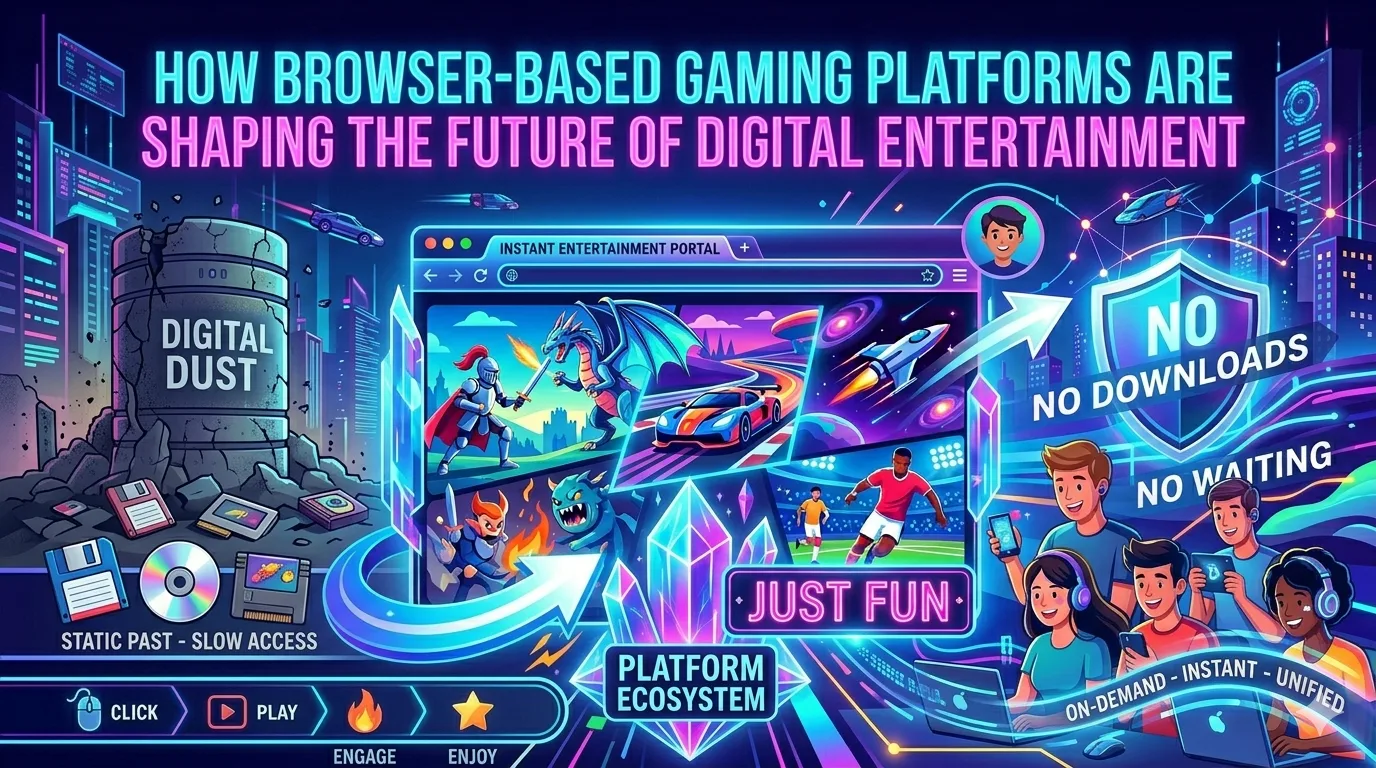
How Browser-Based Gaming Platforms Are Shaping the Future of Digital Entertainment
The digital entertainment landscape is evolving at a rapid pace. Over the past decade, user expectations have shifted dramatically from traditional, time-intensive experiences to fast, seamless, and on-demand access. Whether it is streaming media, using cloud-based tools, or engaging with online games, the common demand is clear: instant access without friction.
Gaming, in particular, is undergoing a notable transformation. Once dominated by large downloads, expensive hardware, and lengthy installations, the industry is now embracing lighter, more accessible formats. Browser-based gaming platforms are emerging as a key driver of this change, offering users the ability to play instantly without the need for installations or complex setups.
One example of this shift can be seen in platforms like this browser gaming platform, which provide access to thousands of games directly through a web browser. These platforms remove traditional barriers to entry, allowing users to engage with digital entertainment in a way that aligns with modern consumption habits.
The Shift Toward Instant Digital Access
The demand for instant access is not unique to gaming. Across industries, users are gravitating toward platforms that minimize effort and maximize convenience. Streaming services have replaced physical media, and cloud-based applications have reduced reliance on installed software.
Browser-based gaming fits naturally into this ecosystem. By eliminating downloads and reducing hardware dependency, these platforms offer a streamlined experience that appeals to a broad audience. Users no longer need to commit significant time or resources before engaging with content, which increases overall accessibility.
This trend reflects a broader shift in how digital products are designed and delivered. Companies are focusing on reducing friction at every stage of the user journey, from discovery to engagement.
Accessibility and Global Reach
One of the most significant advantages of browser-based gaming platforms is their accessibility. Unlike traditional gaming systems that require high-performance devices, browser-based games can run on a wide range of hardware, including smartphones, tablets, and older computers.
This accessibility has important implications for global audiences. In regions where high-end gaming equipment may not be widely available, browser-based platforms provide an entry point into digital entertainment. As internet connectivity continues to improve worldwide, the reach of these platforms is expected to expand even further.
The ability to play anytime and anywhere also aligns with the growing demand for flexible entertainment options. Users can engage with games during short breaks, while commuting, or in between daily tasks, making gaming more integrated into everyday life.
Changing User Behavior and Engagement
Modern users are increasingly drawn to experiences that offer immediate gratification. This is evident in the rise of short-form content across social media platforms and the growing popularity of micro-entertainment.
Browser-based games cater to this behavior by offering quick, engaging experiences that do not require long-term commitment. Players can start a game within seconds and enjoy meaningful interaction in a short period of time. This format is particularly appealing to casual gamers and those with limited time.
From a business perspective, this shift in user behavior presents new opportunities. Platforms that can capture attention quickly and provide consistent value are more likely to retain users. The simplicity of browser-based gaming contributes to higher engagement rates and repeat visits.
Technological Advancements Driving Growth
The rise of browser-based gaming would not be possible without advancements in web technologies. Innovations such as HTML5, WebGL, and improved browser performance have enabled developers to create high-quality gaming experiences that rival traditional formats.
These technologies allow for smoother graphics, faster load times, and cross-platform compatibility. As a result, users can enjoy a consistent experience regardless of the device they are using.
Cloud computing is also playing a role in this transformation. By offloading processing tasks to remote servers, platforms can deliver more complex experiences without requiring powerful local hardware. This further enhances the accessibility and scalability of browser-based gaming.
Implications for the Future of Digital Entertainment
The growth of browser-based gaming platforms signals a broader shift in the digital entertainment industry. As users continue to prioritize convenience and accessibility, businesses across sectors are adapting their strategies to meet these expectations.
The concept of instant access is becoming a standard rather than a luxury. Companies that fail to reduce friction in their user experience risk losing relevance in an increasingly competitive market.
Gaming platforms are at the forefront of this transformation, demonstrating how technology can be used to deliver engaging experiences without traditional limitations. Their success offers valuable insights for other industries looking to innovate and expand their reach.
Future of Digital Entertainment
Browser-based gaming platforms are reshaping the way people interact with digital entertainment. By removing barriers such as downloads, installations, and hardware requirements, they are making gaming more accessible and adaptable to modern lifestyles.
As technology continues to evolve, the influence of these platforms is likely to grow. They represent not just a shift in gaming, but a broader change in how digital experiences are created and consumed. In a world where speed and simplicity are increasingly valued, browser-based gaming stands as a clear example of the future of entertainment.