How Burn Injuries Heal and Why Scar Management Matters
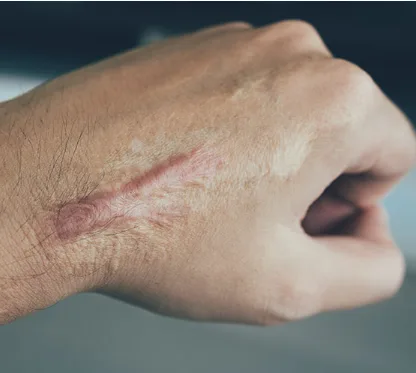
Burns are one of the most complicated wounds that can occur to a man’s body. Burns occur at the site when heat, chemicals, electricity, or radiation injures all skin layers, causing the body to react to repair the injury, which may take several months or years. The key to the healing process, and what can go wrong, is understanding it in the first place, so that recovery is improved and skin is healthier long term.
The process of healing is not complete once the wound has closed. In reality, however, it’s frequently the initial hurdle. The treatment of burn injury scars should be gradual, dealing with the burn’s superficial skin layers while simultaneously treating some biological processes that take place beneath the skin. If not treated at the right time and with the right treatment, burn scars will become overthickened, over-sensitive, discolored, and irreversible.
What Happens to Skin After a Burn
The body’s response to the burned skin is immediate, including stages of repair that run in a series of overlapping phases. Each stage has its own function to repair damaged tissue.
The Three Phases of Burn Healing
- Inflammatory phase: The body rushes blood flow and immune cells to the wound site. It results in redness, swelling, and heat. This is the usual period and usually lasts only a few days.
- Proliferation phase: Begins forming new tissue. The body produces collagen to fill in the wound. Blood vessels form,m and the skin begins to close.
- Remodeling phase: This takes from 1 to 2 years to complete and is the longest phase. The body rebuilds collagen crisscrossing and reinforces the damaged site. At this stage, scars’ color, thickness,s and texture all change.
The remodeling period is particularly critical, as the scar is still active in its biological role. This indicates that it remains amenable to treatment. Tactics for treating too soon can aggravate the healing tissue; waiting too long can allow stiffness/fibrosis to set in and make it very difficult to treat.
Why Burn Scars Become Problematic
Not every burn scar will heal as it would a normal skin wound. The appearance of a scar and its chances of being raised, tight, or discolored depend on several factors.
Common Reasons Burn Scars Stay Active
- While minor skin burns may go unnoticed, burns that burn through several layers tend to scar more.
- It’s important to note that longer healing wounds will create thick or raised scars.
- Loose neck, chest, and joints are constantly strained and tend to produce thicker scarring.
- A scar remains on the skin,n and chronic inflammation from the infection or frequent irritation continues to stimulate overproduction of scar tissue (collagen).
- There’s also a genetic factor. A few may tend to develop a hypertrophic scar or a keloid, and dark skin may be more affected by pigment changes.
- The skin color may be worsened and healing delayed by sun exposure while the skin is in early healing stages.
Types of Burn Scars and What They Mean
It’s important to understand the kind of scar that has developed to determine what the best treatment option is.
Flat Scars
These scars are just as high as the surrounding skin. Main issues typically include variations in colour and texture. Treatment aims at smoothing and toning in harmony with the other skin tones.
Hypertrophic Scars
These are raised and thick scars within the limits of the wound. These tend to feel firm and can be itchy or sensitive. They’re prevalent following burns and can be improved with targeted scar therapy.
Keloid Scars
Keloids develop past the limits of the original wound and may grow over the years. They are more likely to occur in individuals who have a genetic tendency to hypercollagenesis and should be carefully and specially managed.
The Importance of Timing in Scar Treatment
Timing is one of the most crucial elements to consider when managing a burn scar. The remodeling period is a window of opportunity in biology, and during this period the scar remains amenable to treatment. If such care is provided during this time frame, it can mean a great deal to the prognosis of a child’s health care outcome in the future. If you delay too long, the scar tissue will get firmer and harder to treat.
A properly formulated scar regimen won’t only focus on the cosmetic appearance of the scar. It works on the root cause, which is alive in the scar and keeps the scar in action,n such as contraction, inflammation, and overproduction of collagen.
Conclusion
Burn scars don’t just need to be cosmetic. They are a more intricate healing sequence which can last a long time after the wound has healed. Knowing the biology of scar formation enables rational decisions by the patient and the clinician with regard to timing and delivery of interventions. When done at the right time and in the right place in its healing process, there’s hope to look and feel better than before the burn, and to make the scar as inconspicuous as possible. Getting counseling from an expert in scar treatments at an early stage can profoundly impact results.