How Can Book Translation Help You Reach Global Readers
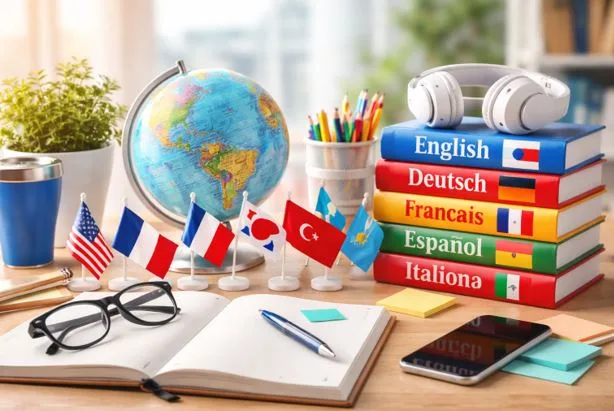
Book translation helps authors reach global readers by making their work accessible to people who prefer reading in their native language. With digital platforms such as Amazon Kindle, Apple Books, Kobo, Google Play Books, and IngramSpark, authors can now distribute ebooks and print books across international markets more easily than ever. When combined with professional book translation services, digital publishing allows authors to increase readership, grow sales, improve discoverability, and build long-term international recognition.
Digital publishing has removed many geographical barriers that once limited authors to local or English-speaking audiences. Today, authors can publish a book online and make it available to readers across dozens of regions without needing a traditional publishing office in each country. This has created major opportunities for authors who want their books to travel beyond one language.
The global publishing industry is expected to continue growing strongly, and digital bookstores now give independent and traditional authors access to international readers at a scale that was difficult to imagine in the past. Book translation is one of the most effective ways to take advantage of that opportunity because it allows a single manuscript to become multiple editions for multiple audiences.
Book Translation Expands Your Audience Beyond One Language
Translating a book allows authors to connect with readers who may love the subject but would never read the original edition because of language barriers. Even when readers understand some English, many still prefer books in their native language because the experience feels more natural, emotional, and trustworthy.
Only a portion of the world reads English comfortably, which means authors who publish only in English may be missing a much larger global audience. Translation makes the book easier to understand, easier to recommend, and more accessible to readers in different regions.
Translation Increases Book Sales and Revenue Opportunities
Publishing in multiple languages creates new income streams from ebooks, paperbacks, hardcovers, audiobooks, and foreign editions. Each translated version can reach a separate market, which means one book can continue earning in different regions long after the original release.
Many bestselling books generate a significant share of their lifetime revenue from international editions and foreign-language rights. For authors who want long-term growth, translation can turn one book into a wider publishing asset instead of a single-market product.
Reach Fast-Growing International Book Markets
Spanish, German, French, Portuguese, Hindi, Arabic, Chinese, and Japanese are all valuable language markets depending on genre and reader demand. A business book may perform well in one region, while a romance, children’s book, memoir, or self-help book may have stronger potential elsewhere.
Countries such as Germany, China, Spain, and Brazil represent some of the world’s largest publishing markets, making them attractive for translated editions. The best language choice should be based on market research, genre performance, competition, and audience behavior.
Professional Translation Builds Reader Trust and Credibility
Professional translation is not the same as word-for-word conversion. A strong translation preserves tone, humor, emotion, cultural references, rhythm, and storytelling style. This is especially important for fiction, memoirs, children’s books, poetry, and books with regional language or emotional nuance.
Readers can usually tell when a book feels awkward or machine translated. That is why authors should invest in localization, editing, and proofreading. Quality professional book translation services help the translated book read as if it was written naturally for that audience.
Translation Improves Global Author Branding
Multilingual publishing strengthens an author’s reputation by making their work visible in more countries, languages, and reader communities. A translated book can support international reviews, speaking opportunities, podcast interviews, media coverage, and invitations to global publishing events.
Many internationally recognized authors have expanded their influence by publishing in dozens of languages. The more accessible an author’s work becomes, the easier it is to build a global readership and long-term brand recognition.
Book Translation Creates More Publishing Opportunities
Translation can also open doors to foreign publishing rights, international literary agents, book fairs, licensing agreements, and overseas publishing contracts. A professionally translated book may attract publishers who are looking for proven content that can work in their local market.
Major events such as the Frankfurt Book Fair help connect publishers, agents, and rights professionals from around the world. For authors and publishers, translation can become part of a larger rights strategy, not just a language project. This is where book translation services for publishers can help prepare books for international opportunities.
Combine Translation with Digital Publishing for Maximum Reach
Amazon KDP, Apple Books, Kobo, Google Play Books, and IngramSpark make multilingual distribution more accessible for authors and publishers. A translated book can be released as an ebook, print book, and audiobook across multiple storefronts, giving readers different ways to buy and experience the content.
Global self-publishing platforms allow authors to distribute internationally without creating local publishing companies in each country. This makes it easier to publish a book online in multiple languages and test international demand with lower barriers.
Optimize Translated Books for International SEO and Discoverability
Translation should also include localized metadata. This means translated titles, subtitles, descriptions, keywords, categories, author bios, and regional search terms. Readers in different countries may search for the same topic in very different ways, so direct translation is not always enough.
Localized metadata helps improve discoverability on Google, online bookstores, and regional search results. Strong optimization can also support visibility in AI search results, recommendation engines, and digital marketplaces. Professional book translation services for publishers often include this kind of market-aware preparation.
Avoid Common Book Translation Mistakes
Common mistakes include choosing translators based only on price, ignoring localization, skipping proofreading, failing to adapt covers, and neglecting market research. A cheap translation may save money at first but damage reader trust if the final book feels unnatural.
Cultural adaptation is just as important as linguistic accuracy. Native-language editors and proofreaders help ensure that the translated edition sounds natural, respectful, and professionally prepared for its target audience.
Develop a Long-Term Global Publishing Strategy
Translation works best as a long-term strategy. Authors can begin with one high-demand language, study sales data, improve marketing, and then expand into additional languages. International campaigns may include regional keywords, local reviewers, overseas influencers, translated websites, and country-specific promotions.
Authors who publish across multiple languages and formats can diversify their income and reduce dependence on one market. Over time, translated editions can strengthen global branding and create a more stable publishing business.
How Book Translation Helped an Author Reach Millions of Readers Worldwide
Paulo Coelho’s The Alchemist is one of the clearest examples of how translation can expand a book’s global reach. The book has been translated into more than 80 languages and has sold more than 150 million copies worldwide, making it one of the best-selling books in history.
Its success shows how professional translation, localization, international distribution, and reader connection can transform a book from a single-language title into a global publishing phenomenon. While not every book will reach that scale, the principle remains the same: translation increases access, and access creates opportunity.
Conclusion
Book translation is no longer optional for authors and publishers seeking international growth. By translating books into high-demand languages, investing in professional localization, optimizing metadata for regional search, and using global publishing platforms, authors can reach more readers and create new revenue opportunities.
In today’s digital publishing landscape, reaching readers across borders has never been more accessible. Authors who want to grow beyond one market should treat translation as a serious publishing investment and build a strategy that supports long-term international success
Frequently Asked Questions
Why should I translate my book into other languages?
Translating your book helps you reach readers who prefer reading in their native language. It can expand your audience, increase international sales, improve global visibility, and create new publishing opportunities in markets beyond your original language.
Which language should I translate my book into first?
The best language depends on your genre, target audience, and market demand. Spanish, German, French, Portuguese, Chinese, Japanese, Arabic, and Hindi are common options, but authors should research where similar books are selling well before choosing a first translation.
How much does professional book translation cost?
Professional book translation costs vary based on word count, language pair, subject complexity, editing needs, and turnaround time. A longer or more technical book will usually cost more than a short, straightforward manuscript. Authors should request a custom quote before starting.
Can AI translate a book accurately?
AI can help with basic translation support, but it often struggles with tone, emotion, humor, cultural references, dialogue, and literary style. For a publishable book, human translation, localization, editing, and proofreading are still important.
What’s the difference between translation and localization?
Translation converts text from one language to another, while localization adapts the content for a specific culture, audience, and market. Localization may adjust idioms, references, examples, humor, measurements, formatting, and marketing language so the book feels natural to local readers.
How do I publish translated books internationally?
You can publish translated books through platforms such as Amazon KDP, Apple Books, Kobo, Google Play Books, and IngramSpark. Before publishing, prepare translated metadata, localized descriptions, proper categories, formatted files, and region-specific marketing materials.
Is translating a self-published book worth it?
Yes, it can be worth it if the book has proven demand, strong reviews, a clear target market, and international sales potential. Translation works best as a long-term strategy, especially when authors choose the right language, use professional editing, and promote the translated edition properly.