How Carton Box Packing Machine Work
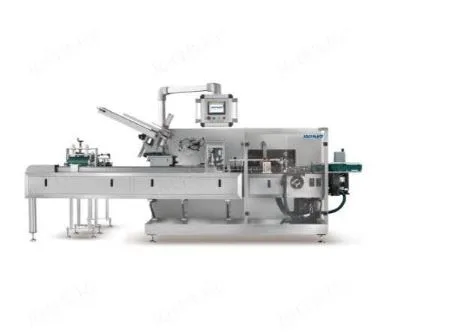
Anyone who has watched a case of products come together in seconds on a production line has seen a carton box packing machine in action. These machines take loose or pre-grouped products and load them into cartons or cases, replacing what used to be slow, repetitive manual labor. As demand for faster, more consistent packaging grows across food, retail, pharmaceuticals, and e-commerce, carton packing machines have become one of the most common investments businesses make when scaling up production.
What a Carton Box Packing Machine Does
At its core, a carton box packing machine automates the process of erecting, filling, and sealing cardboard cartons or cases. Depending on the model, it may also handle:
- Forming a flat carton blank into a box shape
- Grouping individual products into the correct quantity per case
- Loading products into the carton (top-load or side-load, depending on design)
- Sealing the carton with tape, glue, or interlocking flaps
- Labeling or printing information directly on the finished case
Some machines handle only one of these steps, while fully integrated cartoning systems manage the entire sequence from flat blank to sealed, labeled case.
Types of Carton Packing Machines
Horizontal Cartoners Products are loaded into the carton from the side while it moves horizontally along the line. This style works well for boxed items like snack packs, cosmetics, or pharmaceutical blister packs.
Vertical Cartoners Cartons are filled from above, which suits heavier or bulkier products that benefit from gravity-assisted loading, such as bottled goods or canned items.
Case Packers Rather than forming individual retail cartons, case packers group multiple smaller packages into larger shipping cases — a common final step before palletizing.
Wrap-Around Case Packers Instead of using pre-formed boxes, these machines wrap a flat piece of cardboard around a group of products and seal it into a case, reducing material use for certain product shapes.
Why Businesses Switch to Automated Carton Packing
Manual case packing is labor-intensive and prone to inconsistency — box flaps sealed unevenly, wrong product counts, or slower output during peak demand. Automated carton packing machines address these issues directly:
- Speed – Machines can pack dozens to hundreds of cartons per minute, far outpacing manual labor.
- Consistency – Every carton is sealed, filled, and labeled the same way, every time.
- Labor reallocation – Workers previously packing boxes can be shifted to quality control, oversight, or other tasks.
- Reduced material waste – Precise forming and sealing reduces the amount of tape, glue, or corrugate used per case compared to manual methods.
Key Considerations Before Buying
Product Compatibility Not all machines handle all product shapes well. Rigid bottles, delicate baked goods, and loose granular items each demand different loading mechanisms. It’s worth confirming a machine has been tested with a similar product, not just a similar industry.
Carton Style and Material Regular slotted cartons, tuck-top cartons, and wrap-around blanks each require different tooling. A machine built for one style may not adapt easily to another without significant retooling.
Throughput Requirements Carton packing machines are usually rated by cartons-per-minute. It’s important to size the machine not just to current volume, but to realistic growth over the next few years — undersizing leads to bottlenecks, while oversizing wastes capital.
Changeover Flexibility Businesses that run multiple SKUs or carton sizes benefit from machines with tool-less or quick-change formats, since manual changeovers between product runs can eat into daily output.
Integration with Existing Lines A carton packer rarely operates alone — it typically needs to sync with upstream filling or grouping equipment and downstream sealing, labeling, or palletizing systems. Confirming compatible conveyor speeds and control systems avoids costly integration surprises after installation.
Maintenance and Operator Training
Like most packaging machinery, carton packers require routine maintenance — cleaning sensors, checking sealing mechanisms, and replacing wear parts like belts or suction cups used for handling blanks. Machines with accessible service points and clear operator interfaces tend to have less downtime, since staff can address minor issues without waiting on a technician.
Final Thoughts
A carton box packing machine can dramatically improve throughput and consistency, but only when matched carefully to the product, carton style, and expected volume. Before purchasing, it’s worth requesting a live demo using a similar product, confirming changeover times, and asking directly about integration with existing equipment. A machine that fits smoothly into the current line will pay off far faster than one that requires constant adjustment to work as intended.