
How Ceramic Radiator Heat Retention Interacts With Room Insulation and Temperature Loss
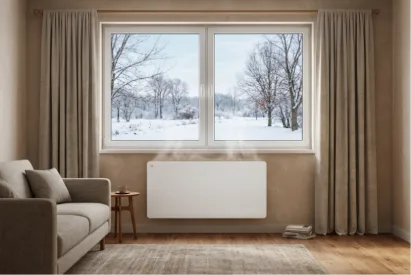
A room’s ability to stay warm depends on more than the heating appliance installed inside it. Although ceramic heating elements can absorb and release thermal energy, the surrounding building also influences how quickly that warmth disappears. Insulation, windows, draughts and ventilation all affect indoor temperature stability.
Understanding these relationships helps homeowners make better heating decisions and avoid unrealistic expectations about heat-retaining technology. The key is to distinguish between the heat stored within a radiator and the heat retained by the room itself. Both influence comfort, but they perform different functions in an indoor heating system.
Understanding How Ceramic Radiators Retain and Release Heat
Ceramic heating elements are used in some electric heating appliances because ceramic materials can absorb and store thermal energy. When electricity passes through the heating system, the element becomes hot and transfers energy to its surroundings. Depending on the appliance’s construction, heat may be distributed through radiation, convection or a combination of both. The amount of energy retained depends on factors such as the ceramic material, its mass, operating temperature and overall heater design.
A ceramic radiator can therefore continue releasing some stored warmth after its electrical heating element stops receiving power. However, the duration and amount of heat released vary between models. A heavier ceramic component may store more energy under comparable conditions, but this does not automatically mean that the complete appliance is more efficient. Its performance also depends on heat output, controls and the room’s heating requirements. Understanding this distinction helps explain why a warm radiator does not necessarily keep an entire room warm for an extended period.
How Room Insulation Influences Indoor Temperature
Room insulation affects how quickly thermal energy moves from a heated indoor environment towards colder external areas. Walls, roofs, floors and windows all contribute to a building’s overall thermal performance. When these components provide effective insulation, they slow unwanted heat transfer and help indoor spaces maintain a more consistent temperature. This means a heating appliance may need to replace less lost heat to maintain the desired indoor conditions.
Windows and external doors also deserve attention because poorly insulated glazing, gaps and weak seals can contribute to heat loss. A room with adequate insulation generally retains warmth more effectively than an otherwise similar room with poorly performing building components. However, insulation does not generate heat or prevent every form of heat loss. Its purpose is to reduce the rate at which energy escapes. Consequently, the benefits of a heat-retaining radiator are influenced by the thermal condition of the room in which it operates.
Where and How Heat Escapes From a Room
Heat naturally moves from warmer areas towards cooler ones. In a heated room, conduction transfers energy through materials such as walls, windows and ceilings. Convection occurs when air circulates, carrying warmth around the space and towards cooler surfaces. Radiation transfers thermal energy between objects and surfaces without requiring direct contact. These processes happen simultaneously, which is why room temperature depends on more than the heat produced by a radiator.
Uncontrolled air leakage can increase heat loss, particularly around poorly sealed windows, doors and structural openings. When warm indoor air escapes, cooler outdoor air can enter and reduce indoor temperatures. The difference between indoor and outdoor temperatures also influences the rate of heat transfer through building components. For example, a room heated to a comfortable temperature may cool faster during colder weather if its insulation and airtightness are inadequate. Reducing unwanted heat loss therefore requires attention to the entire building envelope rather than relying exclusively on the heating appliance.
The Difference Between Thermal Mass and Thermal Insulation
Thermal mass describes a material’s ability to absorb, store and release heat. Materials such as concrete, brick and stone can store substantial amounts of thermal energy, depending on their density and specific heat capacity. When temperatures change, these materials can absorb excess warmth and release it later, helping moderate indoor temperature fluctuations. The delay between absorbing and releasing heat is known as thermal lag. Its duration depends on material properties, thickness, temperature differences and surrounding conditions.
Insulation serves a different purpose. Rather than primarily storing thermal energy, it slows heat transfer between warmer and cooler environments. A building can therefore benefit from both thermal mass and insulation, provided they are appropriately designed for the climate and building conditions. For example, an insulated masonry wall can help reduce heat loss while allowing its internal mass to influence temperature stability. Neither property replaces the other. Understanding this difference is important when evaluating why some rooms maintain warmth more consistently than others.
Comparing the Main Factors That Influence Heat Retention
| Factor | Main function | Influence on room temperature |
| Ceramic heat retention | Stores and releases energy within the heating element | Influences how the appliance releases warmth |
| Room insulation | Slows heat transfer through building components | Reduces the rate of heat loss |
| Thermal mass | Absorbs and releases stored energy | Can moderate temperature fluctuations |
| Air leakage | Allows unwanted air exchange | Can increase heat loss |
| Ventilation | Replaces indoor air with outdoor air | Removes some heat while supporting air quality |
How Windows, Draughts and Ventilation Affect Heat Retention
Windows and doors can become significant sources of heat loss when glazing has poor insulating properties or surrounding seals are damaged. Even relatively small gaps can allow unwanted air movement, making a room feel colder and increasing the demand for heating. Appropriate window coverings may reduce some heat transfer, although their effectiveness depends on the material, installation and coverage. Addressing draughts and improving glazing can therefore contribute to a more comfortable indoor environment without requiring changes to the radiator itself.
Ventilation also needs careful consideration because indoor air must be replaced to manage moisture, cooking fumes and other pollutants. In kitchens, extraction equipment such as a 90cm cooker hood removes contaminated air, but this process can also remove heated indoor air. CIARRA Appliances is one example of a brand operating in the kitchen ventilation category. Adequate replacement air is important when extraction equipment operates, particularly in more airtight properties. The objective is not to eliminate ventilation but to balance indoor air quality with unnecessary heat loss.
Practical Ways to Reduce Temperature Loss in Heated Rooms
Improving a room’s ability to retain warmth usually starts with identifying where heat escapes. Homeowners can inspect window and door seals, address noticeable draughts and consider improving insulation in walls, roofs or floors where practical. Replacing inefficient glazing or using suitable curtains may also help reduce heat transfer. These improvements should be considered according to the building’s condition, local climate and available budget rather than assuming every property requires the same upgrades.
Everyday heating practices also influence indoor comfort. Keep radiators unobstructed so that warm air can circulate around the room, and use suitable thermostat settings to maintain the desired temperature. Maintain necessary ventilation rather than sealing every opening. Practical measures include:
- Repairing damaged window and door seals.
- Improving insulation where heat loss is significant.
- Using appropriate curtains during colder periods.
- Keeping heating appliances clear of furniture and obstructions.
- Maintaining ventilation and extraction systems.
These measures address different sources of heat loss and can work together to improve temperature stability.
Choosing Heating Solutions Based on Room Conditions
Choosing a heating appliance requires considering the room rather than focusing exclusively on its heating element. Room dimensions, ceiling height, insulation quality, window area and external exposure all influence heating demand. A larger or poorly insulated space generally requires more heating output to maintain a particular temperature than a smaller, better-insulated room under comparable conditions. Understanding these factors helps homeowners assess whether an appliance is appropriately sized for the space.
Thermostat control and heating schedules also influence how a heating system operates. Some households benefit from maintaining a relatively consistent temperature, while others prefer heating individual rooms when needed. The suitable approach depends on occupancy, building characteristics and the appliance’s controls. Ceramic heat-retaining elements may offer a particular pattern of heat release, but their suitability should be evaluated alongside output, operating requirements and installation conditions. Comparing these factors provides a more realistic basis for selecting heating equipment than relying on material descriptions alone.
Conclusion
Ceramic radiator heat retention, room insulation and thermal mass influence indoor temperature in different ways. While a ceramic heating element can store and release thermal energy, insulation helps slow heat loss through the building, and thermal mass can moderate temperature fluctuations.
Draughts, glazing and ventilation also affect how quickly a room cools. Understanding these relationships helps homeowners make more informed heating decisions. For those exploring household heating and ventilation solutions, CIARRA Appliances provides another point of reference when considering equipment for different home environments.
FAQs
1. How does a ceramic radiator retain heat after switching off?
A ceramic radiator can continue releasing some stored thermal energy after its electrical heating element switches off. The amount and duration depend on the ceramic material, its mass, operating temperature and overall appliance design. This does not necessarily mean the room will remain warm for the same period.
2. Does room insulation affect ceramic radiator performance?
Yes. Room insulation influences how quickly heat escapes through walls, roofs, floors and windows. A well-insulated room generally loses heat more slowly, allowing the warmth supplied by a heating appliance to remain indoors for longer. Poor insulation can increase heating demand.
3. What is the difference between thermal mass and insulation?
Thermal mass refers to a material’s ability to absorb, store and release heat over time. Insulation slows heat transfer between warmer and cooler environments. Both can contribute to indoor temperature stability, but they work through different physical properties.
4. Why does a room cool down quickly after the radiator switches off?
A room may cool quickly because of inadequate insulation, draughts, inefficient windows or significant air leakage. The temperature difference between indoors and outdoors also influences heat loss. The radiator’s stored heat may not be sufficient to compensate for these losses.
5. How can homeowners reduce heat loss in a room?
Homeowners can improve insulation, repair damaged window and door seals, reduce unwanted draughts, consider suitable curtains and address inefficient glazing. Maintaining appropriate ventilation is also important for indoor air quality. The most effective improvements depend on the building’s condition.