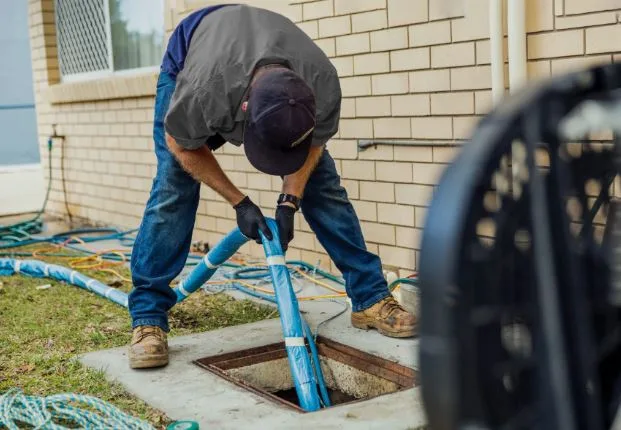
How CIPP Lining Repairs Pipes Without Digging
Trenchless plumbing has grown fast in demand, and understanding how CIPP lining repairs underground pipes has made choosing the right solution easier ever so easier. Typically after using sewer camera inspection services offered by reputable CIPP lining companies this method is then discovered by most homeowners. Wondering exactly how CIPP lining works? Well, this guide breaks down the full process in simple terms.
What Is CIPP Lining?
Have you ever wondered what CIPP lining is? Well, you are not alone. It stands for Cured-In-Place Pipe lining. It is a modern method that allows for a trenchless solution, without digging to restore destroyed pipe lines. Instead of tearing out the old pipe, technicians insert a flexible liner soaked in resin into the existing line. Once fixed correctly it is left to harden in place. The result is a new, durable “pipe within a pipe.”
How CIPP Lining Works in Simple Terms
Understanding how CIPP lining works helps homeowners appreciate and understand why so many repair specialists recommend it. The method reinforces the existing pipe, eliminates leaks, and restores flow. It also allows for saved costs in the long term since no yard or driveway is dug up or awaiting to be restored.
Key Benefits of CIPP Pipe Lining
The popularity earned by cured-in-place lining is due to its ability to solve a wide variety of pipe issues effectively.
Some of the strongest advantages include:
- No excavation required
- Fast installation and curing time
- Long-lasting structural strength
- Improves water flow
- Works on many types of pipes
- Cost-effective compared to full replacement
The more people learn about how CIPP lining repairs sewer and drain lines, the easier it becomes to see why trenchless technologies are becoming industry standards.
Step-by-Step Process Explained
Step 1 – Inspection and Evaluation
Experts have to evaluate the inside of the pipe, before introducing how CIPP lining works. A sewer camera inspection is used to identify clogs, cracks, corrosion or root intrusion. Once they understand the pipe’s exact condition, the best lining approach is planned.
Step 2 – Cleaning the Existing Pipe
To ensure the lining adheres perfectly a clean surface is key. Hydro-jetting or mechanical cleaning removes debris, roots, and buildup. After this preparation, professionals can confidently begin the next step in how CIPP lining repairs faulty pipelines.
Step 3 – Installing the Resin-Saturated Liner
A flexible liner saturated with epoxy resin is inserted into the existing pipe. Technicians use inversion or pulling techniques to position the liner. This is one of the most fascinating parts of how CIPP lining works because the liner expands and molds tightly to the pipe’s interior.
Step 4 – Curing the Liner
Heat, steam, or UV light cures the resin. As the resin hardens, it forms a strong structural pipe within the pipe. The curing stage highlights how CIPP lining repairs deteriorating pipes by creating a seamless, joint-free structure.
Step 5 – Final Inspection and Testing
A final camera inspection is performed by experts once cured.This last stage is done to confirm the level of how CIPP lining works effectively, ensuring that the new pipe meets flow, durability, and safety standards.
Why Homeowners Prefer This Technology
The convenience alone is enough to convince many people of the value of trenchless repair. With little to no disruption and durability this modern plumbing system makes it an ideal solution for both residential and commercial.
Short-term convenience is helpful, but understanding how CIPP lining works shows why the long-term results are even more impressive.
Cost and Longevity Considerations
While not only beiing faster trenchless solutions they often cost less than traditional excavation. This is due to the costs saved from restoration and extensive excavation fees. Overall, saving money. Further, upon witnessing how CIPP lining repairs pipes with minimal labor, they also realize how cost-effective it is. With the help of a professional who knows how CIPP lining works can help you determine pipe condition, lifespan, and long-term benefits.
Suitability for Different Pipe Materials
Another reason how CIPP lining repairs so many infrastructure systems effectively is because it works for:
- Cast iron
- Clay
- PVC
- Concrete
- Orangeburg
With the right conditions and expert installation, How CIPP lining works well across almost all residential and commercial pipe materials.
Conclusion
Pipe repair management by property owners, today has been transformed by trenchless technology. It becomes clear why this method is becoming the preferred solution for long-term pipe restoration when you understand how CIPP lining repairs pipes without excavation and learn the mechanics behind how CIPP lining works. To conclude, it is efficient and a long-term investment that proves itself durable making it a smart long term investment for those with aging or damaged sewer lines.
Frequently Asked Questions
How long does CIPP lining last?
If installed correctly CIPP lining can last approximately 50 years or more, which makes it one of the most durable pipe repair solutions available.
Can CIPP lining fix collapsed pipes?
It works best on partially damaged pipes. If the pipe is fully collapsed, excavation or partial replacement may be needed before lining.
Is CIPP lining safe for drinking water lines?
Yes. When the proper materials and curing processes are used, CIPP lining is approved for potable water systems.
How long does the installation process take?
Most residential CIPP projects are completed in a single day, depending on pipe length and condition.
Does CIPP lining reduce pipe diameter?
There is minimal reduction and typically improved flow offsets any slight decrease in a diameter.