How Concrete Dissolver Works and When to Use It
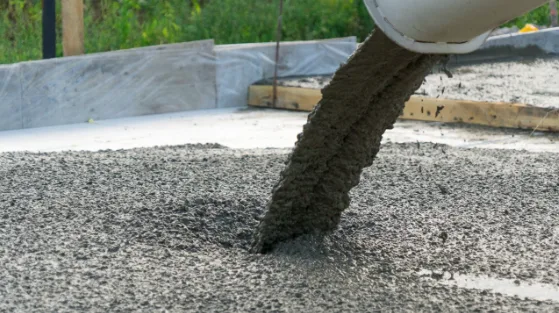
Concrete is strong, useful, and made to last. However, that strength can become a problem when concrete ends up in the wrong place. Small drops can land on tools, floors, vehicles, walls, or other surfaces. Hardened concrete can also stick to building equipment and make cleaning much harder.
Removing fresh concrete is usually simple. Once it dries, however, the job becomes more difficult. Scraping may damage the surface. Heavy tools can also leave marks. For this reason, many people use a concrete dissolver to help loosen and remove unwanted concrete.
A concrete dissolver is made to break down cement-based materials. It can make cleaning work easier while reducing the need for hard scraping. Still, it is important to understand how these products work and how to use them safely.
What Is a Concrete Dissolver?
A concrete dissolver is a cleaning product designed to remove hardened concrete, cement, mortar, and similar materials.
Unlike a strong physical tool, it works through a chemical process. The product helps weaken the bond between the cement material and the surface underneath. As a result, the concrete becomes easier to remove.
Different products use different formulas. Some are made for general construction cleaning. Others are designed for equipment, tools, floors, or specific surfaces.
Before using one, always check the product label. The right product depends on the type of concrete and the surface that needs cleaning.
Why Is Hardened Concrete Difficult to Remove?
Concrete becomes hard because cement reacts with water. This process creates a strong material that can stay in place for many years.
However, this strength causes problems during cleanup.
For example, a small amount of concrete may dry on a shovel. A mixer may have cement buildup around its drum. Concrete splashes can also dry on metal frames or other equipment.
Once the material has hardened, normal soap and water may not be enough. Scraping can help, but it may take a lot of time.
Therefore, a dissolving product can be useful when regular cleaning methods fail.
How Does a Concrete Dissolver Work?
The exact process depends on the product. However, most dissolvers are designed to weaken the cement material without relying only on force.
The product is applied to the hardened concrete. It then starts working on the cement-based material. Over time, the concrete may soften, loosen, or break apart.
After that, the remaining material can often be removed with a brush, scraper, pressure washer, or water.
This approach can save time. It can also reduce the amount of heavy scraping needed.
Still, results can vary. Thick concrete may need more than one treatment. Older buildup can also take longer to loosen.
Where Can Concrete Dissolver Be Used?
Concrete dissolvers can be useful in many cleaning jobs. However, the correct use depends on the product instructions.
Common applications include:
- Construction tools and equipment
- Concrete mixers
- Metal surfaces
- Floors and work areas
- Masonry equipment
- Building tools
- Areas with dried cement splashes
For example, workers may use a dissolver to clean equipment after a concrete job. Regular cleaning can help prevent thick layers of buildup.
Likewise, contractors may use these products when preparing tools for another project.
Benefits of Using a Concrete Dissolver
One of the main benefits is easier cleanup. Hardened cement can take a long time to remove by hand. A suitable dissolver can reduce that effort.
Another benefit is less aggressive scraping. Heavy scraping can scratch metal or damage certain surfaces. A chemical solution may loosen the material first, making physical removal easier.
There are also benefits for equipment care.
Concrete buildup can affect how tools and machines work. For example, dried cement inside moving parts may make equipment harder to operate. Regular cleaning can help keep equipment in better condition.
In addition, a good cleaning routine can improve the appearance of tools and work areas.
How to Use It Safely
Chemical cleaning products should always be handled with care. Read the instructions before starting the job.
Keep these basic points in mind:
- Wear suitable gloves and eye protection.
- Work in an area with good airflow.
- Keep children and pets away from the work area.
- Do not mix cleaning chemicals unless the label clearly allows it.
- Test the product on a small area first.
- Follow the recommended application time.
- Rinse the surface as directed.
Most importantly, never assume that a product is safe for every material.
Some surfaces may react badly to cleaning chemicals. Painted surfaces, certain metals, natural stone, plastics, and finished materials may need special care.
If you are unsure, check the manufacturer’s instructions before applying the product.
Choosing the Right Product
Not every concrete remover is the same. Therefore, it is worth checking a few details before buying one.
First, look at the type of material it is designed to remove. Some products work mainly on cement and mortar. Others may target several types of construction residue.
Next, check the surface compatibility. A product that works well on concrete equipment may not be suitable for painted metal or delicate surfaces.
You should also consider the amount of buildup.
A thin layer may need a simple treatment. Thick and old concrete may require a stronger formula or several applications.
Finally, read the safety information. A product with clear instructions is easier to use correctly.
Concrete Dissolver vs. Mechanical Removal
Mechanical removal is still useful. Scrapers, brushes, pressure washers, and other tools can remove loose material quickly.
However, mechanical methods have limits.
Heavy scraping may scratch a surface. Grinding can create dust. Chiseling can also damage the material underneath if too much force is used.
A concrete dissolver can provide another option. It can loosen the cement before physical cleaning begins.
In many cases, using both methods works well. The dissolver weakens the buildup, and a suitable tool removes what remains.
The best method depends on the surface, the amount of concrete, and the condition of the material.
Common Mistakes to Avoid
People often make simple mistakes when removing hardened concrete.
One mistake is leaving the product on for longer than recommended. More time does not always mean better results. Follow the stated application time.
Another mistake is skipping the surface test. Even if a product is designed for concrete removal, the surface underneath may react differently.
Using the wrong protective equipment is another concern. Gloves and eye protection are important when handling chemical cleaners.
Also, avoid mixing products. Combining chemicals can create dangerous reactions.
Finally, do not rush the process. Let the product work according to its instructions. Then remove the softened material carefully.
Tips for Better Concrete Cleanup
Good cleanup starts before concrete becomes hard.
Try to clean tools soon after use. Fresh cement is much easier to remove than hardened buildup.
If concrete spills onto a surface, deal with it as soon as practical. Protect nearby areas when working with wet concrete. This can prevent unnecessary cleaning later.
For equipment, regular maintenance is especially helpful. A small amount of cleaning after each job can prevent thick layers from forming.
When hardened buildup does appear, use the least aggressive method that can do the job. A concrete dissolver may help reduce the need for force and make the cleanup process more manageable.
Final Thoughts
Concrete is designed to be tough, so removing hardened cement can take time. However, the right cleaning method can make the task much easier.
A concrete dissolver works by helping weaken cement-based buildup. It can be useful for tools, equipment, floors, and other suitable surfaces. Still, safe use is important. Always check the product instructions, protect yourself, and test the solution before treating a large area.
Most importantly, regular cleaning can prevent major buildup. When concrete is removed early, there is usually less work later. For hardened material, the right concrete dissolver can be a practical part of a careful and effective cleaning routine.