How Consumer Behavior Is Evolving After the Pandemic: A 2026 Perspective
The pandemic may feel like a chapter that’s slowly closing, but its impact on consumer behavior is still very much alive. In 2026, it’s clear that shopping habits, spending priorities, and digital expectations haven’t simply returned to “normal.” Instead, they’ve evolved.
Consumers today are more cautious, more research-driven, and far more comfortable shopping online than ever before. The shift isn’t temporary — it’s structural. What began as necessity during lockdowns has now become preference.
Digital-First Is No Longer Optional
Before 2020, online shopping was convenient. After the pandemic, it became essential. Now in 2026, digital-first behavior is simply standard.
Consumers expect businesses to have clear websites, easy checkout processes, fast delivery, and transparent policies. If a brand doesn’t provide a seamless online experience, people won’t hesitate to switch. Loyalty has changed. It’s no longer about habit — it’s about efficiency.
Retailers across industries have adapted. From groceries to electronics and specialty products, buyers now explore options online first. For example, customers looking for regulated or alternative nicotine products increasingly turn to trusted platforms like VapeSales rather than relying solely on physical stores.
Convenience and accessibility now drive decision-making more than location.
More Research, Fewer Impulse Purchases
One noticeable shift in consumer psychology is increased research before buying. Rising living costs and economic uncertainty have made shoppers more careful. People compare prices, read reviews, and evaluate alternatives thoroughly.
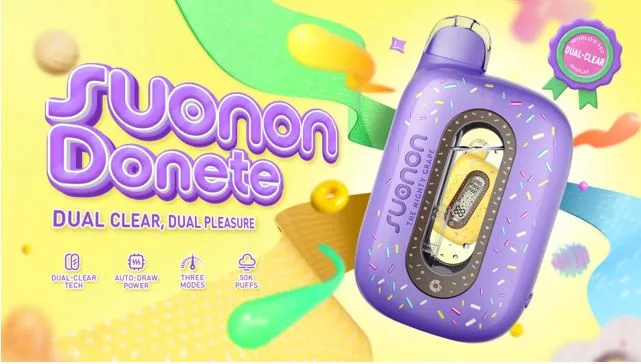
This behavior is especially visible in product categories affected by regulation or supply changes. Rather than buying the first available option, consumers actively look for updated alternatives, such as browsing alternative vape options when traditional disposable products become restricted.
In short, buyers want clarity before commitment.
Health and Wellbeing Are Top Priorities
The pandemic reshaped how people think about health — not just physical, but financial and emotional wellbeing too. Spending decisions now often reflect long-term thinking.
Consumers ask:
- Is this purchase improving my daily life?
- Is it cost-effective over time?
- Is it reliable?
This mindset extends beyond food and fitness. It influences technology upgrades, subscription services, and lifestyle products. Buyers want control and predictability, especially after experiencing global uncertainty.
Trust and Transparency Matter More Than Ever
Another lasting change is the demand for transparency. Consumers are skeptical of unclear policies, hidden charges, and exaggerated marketing claims. They prefer brands that communicate honestly and provide straightforward information.
Reviews and peer recommendations heavily influence trust. Social proof isn’t just helpful anymore — it’s expected. A product without visible customer feedback feels incomplete.
Businesses that openly share product details, usage guidance, and responsive customer service gain long-term credibility.
The Rise of Convenience-Driven Loyalty
Interestingly, loyalty in 2026 is built less on brand name and more on convenience. If a website delivers quickly, makes reordering simple, and keeps pricing competitive, customers stay.
Time has become one of the most valuable currencies. Consumers don’t want complicated processes. They want smooth transactions and dependable delivery. Brands that reduce friction win repeat buyers.
This explains why niche e-commerce stores with focused product ranges are thriving. They simplify decision-making and provide specialized support, something large marketplaces can’t always offer.
A Hybrid Future of Online and Offline
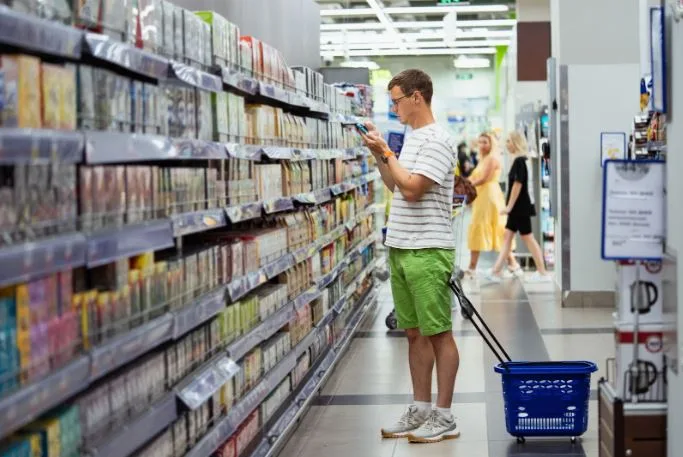
Despite digital dominance, physical retail hasn’t disappeared. Instead, it has shifted into a supporting role. Consumers often research online first, then visit stores if needed — or complete purchases digitally after viewing products in person.
The hybrid model gives shoppers flexibility. They can compare, evaluate, and decide on their own terms.
That flexibility is perhaps the biggest legacy of the pandemic era: choice without pressure.
Final Thoughts
Consumer behavior in 2026 reflects lessons learned during uncertain times. People value convenience, transparency, and informed decision-making. They research more, compare carefully, and prioritize products that align with their lifestyle needs.
Businesses that understand these psychological shifts — and adapt accordingly — are more likely to thrive in this evolving landscape.
The pandemic didn’t just change where people shop. It changed how they think before they click “buy.”