How Crane-Assisted Tree Removal Protects Your Home and Yard
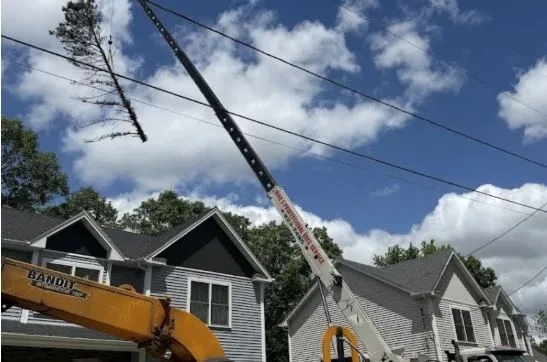
| Some trees are simply in the wrong spot for a standard removal. They lean over a roof, tower above a pool, or sit in a backyard boxed in by fences and gardens.
In those situations, how the tree comes down matters as much as the fact that it comes down. Crane-assisted removal is one of the most controlled ways to handle it. Here’s how it works, when it makes sense, and what it means for your home and yard. What Is Crane-Assisted Tree Removal?In a standard removal, a climber cuts the tree in sections and lowers each piece with ropes, or drops pieces into an open area below. With a crane, the process changes. Each section is rigged to the crane’s line before it is cut, then lifted up and away from the tree. Instead of falling or swinging, the piece is carried through the air and set down in a clear landing spot, often right next to the chipper or truck. Equipment varies from company to company. In Rhode Island, for example, Mike’s Professional Tree Service runs a 45-ton crane with a 127-foot boom, which gives crews room to reach over a house or into a backyard when access allows. How a Crane Protects Your PropertyTree Sections Are Lifted Away From Your RoofWhen limbs hang over a house, every piece has to go somewhere. A crane lifts sections up and away from shingles, gutters and skylights instead of lowering them alongside the house. Fences, Pools and Gardens Stay Out of the Drop ZoneMost backyards don’t have a wide-open landing area. A crane can carry wood over the fence, the pool and the flower beds, then place it where it can be processed. Less Heavy Traffic Across the LawnHauling large logs across a yard means repeated trips with heavy equipment. That traffic can do more than leave ruts. According to the University of Maryland Extension, pressure from construction equipment and parked vehicles damages soil structure, and compacted soil can lead to the decline of trees and shrubs. When sections are lifted to a single landing point, far less equipment crosses your lawn and the root zones of the trees you want to keep. Damaged Trees Are Handled With More ControlA dead, split or storm-damaged tree can be unpredictable. Lifting sections out with a crane means less of the tree has to be lowered with ropes from a weakened trunk. When a Crane Makes SenseA crane isn’t needed for every job. It’s usually worth considering when:
What to Expect on Crane DayThe SetupA crane needs a firm, level spot to set up, usually a driveway or the street. It also needs room for its stabilizing legs, so access is normally checked during the estimate. Overhead WiresCrews plan around power lines and service wires. Wires near the tree can affect where the crane sets up and how sections are lifted out. Neighbors and the StreetIf the crane needs to set up on the road, cones and appropriate traffic-control measures help separate the work area from passing traffic. Access and setup requirements are evaluated before the job begins, and it’s a good idea to give nearby neighbors a quick heads-up. The Cleanup As sections land, they’re chipped, cut, and loaded out. By the end of the job, the yard should be left neat and orderly. Is Crane Removal More Expensive?A crane doesn’t necessarily make a tree removal more expensive. In some situations, crane-assisted removal can make the job faster and more efficient by reducing the amount of climbing, rigging, dragging, and ground work required. Depending on the tree and site conditions, the cost may be comparable to, or even less than, a conventional removal. Ask for a written estimate that explains how the tree will come down, so you can compare quotes on the same terms. Questions to Ask Before You HireBefore you book a removal near your home, ask:
The Bottom LineA large or difficult tree doesn’t necessarily mean sacrificing your roof, lawn or landscaping. With the right equipment, experienced crews, and a clear removal plan, crane-assisted tree removal can make challenging jobs more controlled and efficient. If you’re considering a removal, ask how the tree will come down, not just whether it can. |