How Diabetes Patients Benefit from Custom Orthotics
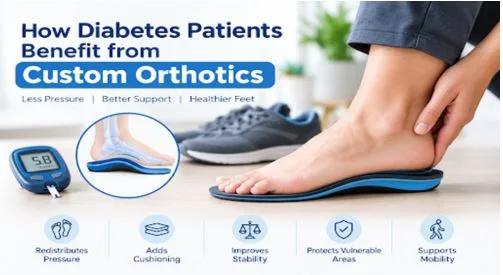
If your feet are numb or tingly, painful, or even tired to the point of being uncomfortable, you may begin to feel like something that you have to think about all day. Shoes that were once good may be rubbing against a spot, causing the sensation of pressure or leaving your feet uncomfortable after just a few minutes of walking. If you’re looking for the best Custom Orthotics Brampton, you could be wondering if the custom-made foot support you receive can change the way you feel.
Diabetes may make these worries even more crucial because nerve injuries can decrease feeling, while problems with circulation could cause foot injuries to take longer to recover. Custom-designed orthotics help to distribute the pressure, protect vulnerable areas, and provide more stability during movements. Learning about how they work will aid you in making a well-informed decision regarding the safety of your feet.
Why Does Diabetes Affect Foot Health?
Foot care for diabetics is a constant concern because the changes in circulation and sensation could make normal foot issues more difficult to detect.
As an example, you might develop a blister because the sole of a shoe rubs the heel of your foot. When neuropathy hinders your ability to feel discomfort, you could walk on your feet and not realize that your skin has been damaged. The reduced circulation may also impact the body’s healing capabilities.
Common concerns include:
- Numbness or tingling in the feet
- Small cuts or blisters that go unnoticed
- Repeated pressure on the same area
- Calluses or corns
- Changes in balance or walking patterns
- Foot discomfort linked to structural problems
These diabetic foot problems make preventive diabetic foot care especially crucial. Instead of putting off treatment until an irritation that is minor becomes more serious, it is better to pay attention to your footwear, pressure points, changes in your feet, and even movement within your feet.
What Makes Custom Orthotics Different from Store-Bought Insoles?
Insoles bought from stores typically come in standard styles. They are meant to be used for a wide range of feet. A custom orthotic takes a different approach. It focuses on your individual foot shape, movement, pressure patterns, and support requirements.
During an assessment, a professional may consider your:
- Foot structure
- Walking pattern
- Balance and alignment
- Pressure areas
- Daily activities
- Existing foot concerns
This information helps determine where you need additional support or cushioning. The goal does not simply involve making your shoes softer. It involves creating support that works with the way your feet function.
Custom Orthotics for Diabetes can therefore provide more targeted support than a generic insert. When it comes to buying Custom orthotics for diabetic patients, the precise fit plays a significant role, particularly when decreased sense of pressure makes friction more difficult to spot.
How Can Custom Orthotics Help Protect Diabetic Feet?
Can Custom Orthotics Help Reduce Foot Pressure?
Every step puts pressure on several regions of your feet. When pressure that is too intense repeatedly gets to the ball of your heel, foot, or a similar area that is vulnerable, there is a chance that you will get blisters, calluses, or irritation to your skin.
Diabetic foot orthotics are a great way to spread weight throughout a wider region. This reduces concentrated stress and can make everyday movement more comfortable. Pressure management also forms an important part of diabetic foot protection, particularly when you have reduced sensation.
Can Custom Orthotics Provide Cushioning for Diabetic Feet?
The cushioning of your feet can make a significant impact when you’re experiencing frequent impact in your daily routine. It is possible to sit for hours at work, stroll around the mall, or even just walk around the house during your entire day.
Custom orthotics for diabetic feet can offer relief and cushioning in places that require additional support. The materials used for orthotics and the designs can be customized to meet your specific demands, which is why a thorough assessment is vital.
The benefit goes beyond comfort. Reducing repeated friction and pressure can help you protect vulnerable areas while staying active.
Can Custom Orthotics Improve Foot Stability and Movement?
Your foot’s structure could impact the way your body is moving. The arches of your feet are high, and flat feet or any other biomechanical variations may cause irregular motion patterns and pressure.
Orthotics for diabetes patients may give additional support to ankles and feet. A better support system can help you to feel more secure when walking and lessen the stress during your daily activities.
When walking becomes more unpredictable, personalized support could make you feel more comfortable in your daily schedule.
Who Can Benefit from Custom Orthotics for Diabetes?
It is paramount to discuss it with a professional as early as you experience:
- Numbness or tingling
- Repeated pressure points
- Foot fatigue
- Recurring calluses
- Balance concerns
- Flat feet or high arches
- Changes in your walking pattern
- Discomfort when wearing certain shoes
People seeking custom orthotics in Brampton may also think about consulting an experienced chiropractor in Brampton regarding broader movement or musculoskeletal issues. The proper evaluation can determine if foot mechanics as well as individualized support are important in the overall treatment.
Your custom-made orthotics must be customized to suit your lifestyle, feet, and needs for movement, rather than adopting a universal approach. A professional assessment could involve examining the structure of your feet and your walking patterns, as well as scanning, casting, or any other measurement if needed.
What Happens During a Custom Orthotics Assessment?
If you’ve previously had custom orthotics but have never used them previously, this process might seem simpler than you imagine.
A typical assessment may involve:
- Discussing your symptoms, health history, and daily activities.
- Examining your feet and lower-limb movement.
- Identifying pressure areas and walking patterns.
- Taking measurements, scans, or casts when appropriate.
- Designing the orthotics around your individual requirements.
- Reviewing fit and making adjustments when needed.
The purpose involves more than placing an insert inside your shoe. The assessment helps identify how your feet respond to movement so your support can address specific concerns.
How Do Custom Orthotics Fit into Daily Foot Care?
Orthotics may help your feet, but they are not a substitute for the need for regular diabetes foot care.
A few simple habits can make daily foot protection more effective:
- Keep regular checks for cuts, redness, blisters, or irritation.
- Wear properly fitted footwear with enough room for your feet and orthotics.
- Keep your feet clean and dry.
- Pay attention to changes in sensation, skin condition, or comfort.
- Get professional help when something does not look or feel right.
These habits support preventive diabetic foot care by helping you notice potential problems earlier.
Can Custom Orthotics Make Everyday Movement More Comfortable?
Diabetes doesn’t mean that each step has to cause anxiety. A good support system can help reduce pressure, enhance cushioning, and provide more flexibility.
Custom orthotics may offer:
- More personalised foot support
- Better pressure distribution
- Added cushioning
- Improved stability
- Support for preventive foot care
If you’re thinking about orthotics, an experienced chiropractor in Brampton or a qualified healthcare professional will help determine if a customized foot support is appropriate for your requirements.
Your feet help you get through the day, running errands and managing daily life. Being aware of how your feet perform and feel can aid in maintaining the comfort of your feet, mobility, and your independence as time passes.
FAQs About Custom Orthotics for Diabetes
Can orthotics reduce pressure on feet?
Custom orthotics are a great way to distribute the stress away from regions subject to stress repeatedly. If you suffer from diabetes, controlling pressure in a concentrated area will improve comfort and protect areas that are vulnerable during sitting and walking.
Are custom orthotics comfortable every day?
There may be a brief time to adjust before you start wearing new orthotics. Correctly fitting orthotics will provide individual support and cushioning for daily activities like sitting and walking.
Do Custom Orthotics for Diabetes Help Protect Foot Health?
They may aid in foot care by enhancing the distribution of pressure, cushioning vulnerable regions, as well as supporting mobility. Your personal foot anatomy and medical needs decide if orthotics would be appropriate for you.
Should diabetic patients inspect their feet daily?
Yes. Checking on a regular basis can help identify blisters, cuts, inflammation, and other symptoms that aren’t visible, especially if you have less sensation. A daily check and the right shoes are essential to the diabetic foot’s protection.
Can orthotics fit inside regular shoes?
A variety of custom orthotics can be used with everyday shoes as long as the footwear has sufficient space and provides enough support. A specialist can help find the right pair of shoes for your orthotics.