How Digital Media Is Reshaping Sports Fandom and Consumer Choices
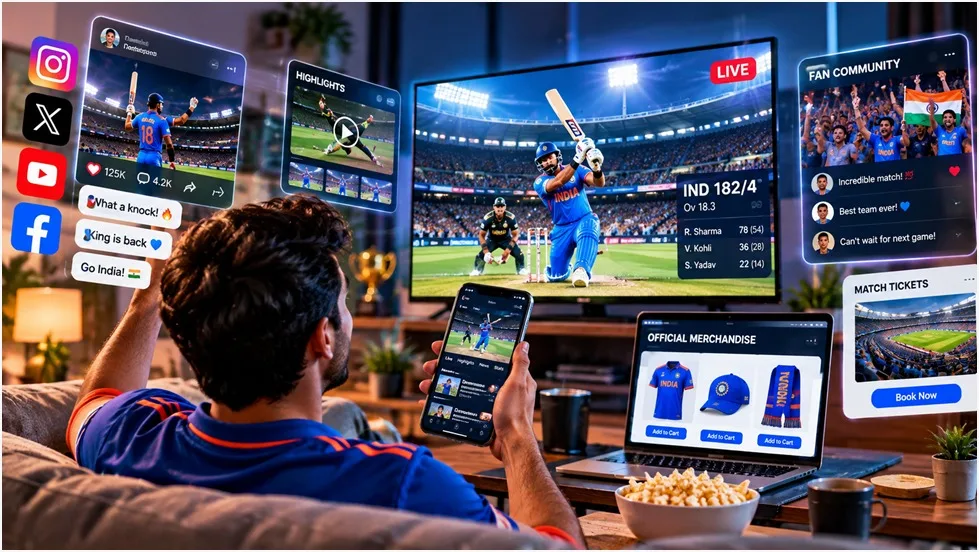
Digital media has transformed how people follow sports, discover products, and interact with brands. Cricket fans no longer have to wait for the next newspaper edition to learn about a match result. They can follow live scores, watch highlights, read expert analysis, and discuss performances through websites, mobile applications, and social media.
At the same time, online shopping and digital advertising have changed how consumers research products and make purchasing decisions. A product discovered through a social media post can lead to a search for specifications, customer reviews, and retailer information within minutes.
These changes have created new opportunities for sports organizations, businesses, and digital publishers. However, they have also made information quality, privacy, and responsible consumer choices more important than ever.
How Digital Media Has Changed Sports Fandom:
Sports fandom was traditionally shaped by television broadcasts, newspapers, radio commentary, and conversations among friends. These channels remain important, but digital media has made sports coverage more immediate and interactive.
Fans can now follow multiple competitions, receive notifications about their favorite teams, and access match statistics while games are in progress. Short-form videos and highlight packages also make it easier to catch important moments without watching an entire match.
Social media has introduced another dimension. Supporters can respond to team announcements, discuss selection decisions, share opinions about performances, and interact with other fans across geographic boundaries.
This creates a more continuous relationship between supporters and the sports they follow. Engagement no longer ends when a match finishes; it continues through post-match analysis, interviews, statistics, and discussions about upcoming fixtures.
The result is a sports experience that is more accessible, participatory, and personalized than traditional broadcast-only coverage.
The Growing Importance of Digital Cricket Coverage:
Cricket provides a clear example of how digital platforms are reshaping sports consumption. The sport includes international matches, franchise leagues, domestic tournaments, and age-group competitions, giving fans a wide range of events to follow throughout the year.
Digital news platforms help audiences keep track of fixtures, team announcements, player performances, and tournament developments. Live score services and statistical tools also allow fans to follow matches when watching a broadcast is not possible.
Domestic cricket benefits from this wider access. Competitions outside the most commercially prominent leagues provide opportunities to follow emerging players and understand the depth of India’s cricketing structure.
Readers interested in India’s domestic competition can explore the Ranji Trophy through a dedicated cricket resource. Such specialized destinations illustrate how digital publishing can help fans discover information about tournaments beyond the most widely televised events.
For sports publishers, the challenge is to provide accurate, timely, and clearly presented information. Fixtures can change, player availability may be updated, and statistics need context. Readers should check publication dates and compare important details with official tournament or cricket-board sources when necessary.
From Passive Viewers to Active Sports Communities:
One of the most significant changes in modern fandom is the shift from passive viewing to active participation.
Fans can now publish their own match analysis, create videos, join discussion groups, and respond to commentary almost immediately. This participation allows supporters to contribute to the wider sports conversation rather than simply consuming information produced by broadcasters.
Digital communities can also introduce fans to different perspectives. A discussion about team selection, for example, may include statistical analysis, tactical observations, and opinions from supporters with different levels of experience.
However, increased participation can also spread misinformation. An unverified injury update or an edited video may circulate before reliable confirmation becomes available. Emotional reactions can sometimes overshadow evidence, particularly after controversial decisions or disappointing results.
Responsible sports media consumption involves distinguishing confirmed news from speculation, opinion, and entertainment. Fans benefit from checking the original source of a claim instead of relying entirely on a viral post or anonymous account.
How Social Media Influences Consumer Choices:
Social media has become an important channel for product discovery. Businesses use short videos, product demonstrations, influencer partnerships, and targeted advertising to introduce products to potential customers.
Consumers can move quickly from discovering a product to researching it further. They may compare specifications, review pricing, check availability, and look for information about the retailer before deciding whether to buy.
For example, adults researching vaping products may encounter the IVG 2400 kit range while browsing specialized online retail collections. This illustrates how digital channels can connect consumers with specific product categories and provide access to product information.
Nevertheless, exposure is not the same as endorsement, and a product’s appearance in an advertisement does not establish that it is suitable for every consumer. Product descriptions, applicable age restrictions, local regulations, and the retailer’s policies should be considered before making a purchase.
Vaping products carry health risks, and nicotine is addictive. People who do not smoke should not start vaping. Marketing and product information should be presented responsibly, particularly where age-restricted goods are concerned.
More broadly, consumers should distinguish independent product information from paid promotion. Clear sponsorship disclosures, verifiable specifications, and transparent terms make it easier to evaluate commercial claims.
The Role of Influencers and Online Reviews:
Influencers and online reviewers can shape purchasing decisions by explaining how products work and sharing personal experiences. Their content can be useful when it offers practical detail that is difficult to obtain from a short product listing.
However, not every recommendation is independent. Some creators receive payment, free products, or other benefits in exchange for coverage. Others may have limited experience with the product they discuss.
Consumers can evaluate reviews more carefully by considering several factors:
- Whether the reviewer discloses commercial relationships.
- Whether the content includes specific information rather than broad promotional claims.
- Whether limitations and disadvantages are discussed.
- Whether other credible sources support the main claims.
- Whether the product meets the consumer’s actual needs.
Online ratings should also be interpreted carefully. A high average score can be useful, but the number of reviews, their recency, and the details of individual experiences matter.
For businesses, long-term trust depends on accurate product information and consistent service. A campaign may attract attention quickly, but misleading claims can damage customer confidence.
Personalization Makes Digital Experiences More Relevant:
Many platforms use algorithms to personalize the information people see. Sports applications may recommend particular teams or competitions, while shopping websites may suggest products based on browsing activity or previous purchases.
Personalization can make digital experiences more efficient. A cricket fan can receive updates about a preferred team without searching for every result, while a shopper can discover related products more easily.
Yet recommendation systems have limitations. They may prioritize content that generates engagement, repeat familiar information, or reflect commercial interests. This can reduce exposure to alternative viewpoints or make advertising less obvious.
Users can maintain greater control by reviewing privacy settings, adjusting notification preferences, and comparing information from several sources. Businesses should also explain their data practices and avoid collecting more information than they need.
Effective personalization should help people find relevant information without compromising transparency or privacy.
How Digital Media Creates New Opportunities for Sports Businesses:
The expansion of digital sports consumption has changed how organizations communicate with fans and generate revenue.
Teams, leagues, broadcasters, and sponsors can reach audiences through social media campaigns, mobile applications, online video, newsletters, and interactive experiences. Digital channels also make it possible to measure engagement and understand which content attracts attention.
For example, a team might use match previews to encourage interest before a fixture, publish behind-the-scenes content during the week, and share interviews after the game. This creates opportunities for ongoing engagement beyond live broadcasts.
Sponsors can also use digital campaigns to connect their products with specific audiences. However, the effectiveness of a campaign depends on relevance, credibility, and the quality of the experience rather than visibility alone.
Sports organizations should balance commercial objectives with the needs of their audiences. Excessive promotional messages, intrusive notifications, and unclear advertising can reduce trust.
The Challenges of Information Overload:
Digital media provides more information than most people can consume. During major tournaments, users may encounter live updates, commentary, opinion pieces, advertisements, statistics, and viral clips simultaneously.
Although this abundance creates choice, it can also make it difficult to identify what matters. Repeated notifications may interrupt other activities, while sensational headlines can encourage users to react before reading the full story.
A more deliberate approach can improve the experience. Fans can select a small number of reliable news sources, adjust notification settings, and distinguish match-critical updates from general commentary.
Consumers can apply the same principle when shopping. Rather than relying on the first recommendation they see, they can compare product details, review the seller’s terms, and take time to evaluate significant purchases.
Digital convenience is most useful when it supports informed decisions instead of encouraging constant, unreflective engagement.
Privacy, Security, and Responsible Digital Participation:
Sports applications, shopping platforms, and social networks may collect personal information such as account details, browsing activity, location data, and payment information.
Users should understand what information a service requests and why. Strong, unique passwords, multifactor authentication where available, and caution around unfamiliar links can reduce some common security risks.
Financial transactions require particular care. Consumers should check website addresses, review payment terms, and avoid services that promise guaranteed financial returns. Where an online service involves betting or other regulated activity, its legal status and risks should be verified before use.
Businesses also have a responsibility to protect customer information. Clear privacy policies, appropriate access controls, secure payment processing, and transparent data practices contribute to a more trustworthy digital environment.
Responsible participation benefits both users and the platforms that depend on long-term audience confidence.
What the Future Holds for Digital Sports and Consumer Behavior:
Artificial intelligence, real-time data, and increasingly personalized interfaces are likely to influence the next stage of digital sports engagement.
AI tools can help summarize match information, organize statistics, and recommend relevant content. Interactive services may also make it easier for fans to explore player performances or understand tactical developments.
In retail, better search tools and product-comparison features may help consumers evaluate options more efficiently. At the same time, the growth of automated content makes source verification and transparency even more important.
Technology will continue to change how people discover information, but the fundamentals remain the same. Fans need reliable reporting, consumers need accurate product details, and businesses need to respect the people they serve.
The strongest digital experiences will combine speed and convenience with credibility, privacy, and meaningful engagement.
Frequently Asked Questions:
How has digital media changed sports fandom?
Digital media allows fans to follow live scores, watch highlights, read analysis, interact with teams, and participate in online communities. It has made sports engagement more immediate and interactive.
Why is digital cricket coverage important for domestic tournaments?
Online coverage helps fans discover fixtures, results, player performances, and tournament developments that may receive less attention than major international matches or franchise leagues.
How does social media influence consumer behavior?
Social media introduces consumers to products through advertisements, creators, reviews, and demonstrations. It can support product discovery, but consumers should verify claims and identify sponsored content.
What are the risks of relying on online reviews?
Reviews may be biased, outdated, sponsored, or based on limited experience. Comparing multiple sources and examining specific details helps consumers make better-informed decisions.
How can consumers use digital platforms more responsibly?
Consumers can check sources, review privacy settings, compare product information, use secure account practices, and distinguish factual reporting from advertising or speculation.
Conclusion:
Digital media has reshaped both sports fandom and consumer choices by making information easier to access and participation more immediate. Cricket fans can follow domestic tournaments and player performances online, while consumers can research products and compare options through digital platforms.
These opportunities come with responsibilities. Misinformation, commercial bias, privacy risks, and information overload can affect how people interpret what they see.
By evaluating sources carefully, protecting personal information, and approaching commercial claims critically, audiences can benefit from digital convenience without losing control over their decisions. For sports organizations, publishers, and businesses, credibility remains essential to building lasting relationships with digital audiences.