How Digital Platforms Are Helping Rural Tourism Thrive Along Maharashtra’s Konkan Coast
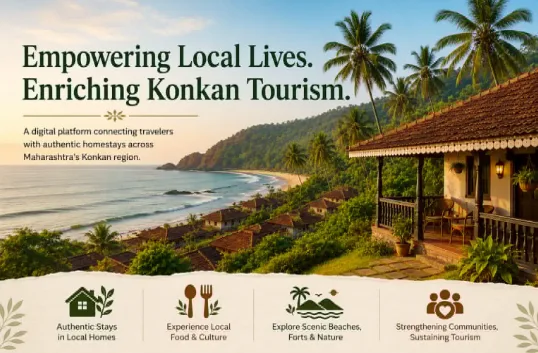
As travellers increasingly move away from crowded tourist hotspots in search of authentic experiences, India’s Konkan coast is emerging as one of the country’s most attractive destinations for slow and sustainable tourism. Stretching along Maharashtra’s western coastline, Konkan is home to pristine beaches, historic sea forts, lush forests, mango orchards, fishing villages, ancient temples, and a vibrant coastal culture that remains largely untouched by mass commercialization.
While the region has always been popular among domestic tourists, the rapid growth of digital travel planning has highlighted an important challenge. Many family-run homestays and local tourism businesses that offer authentic experiences often struggle to establish an online presence, making it difficult for travellers to discover them during trip planning.
Digital tourism platforms are beginning to bridge this gap by connecting visitors directly with local entrepreneurs while strengthening the region’s tourism ecosystem.
One such initiative is KokanHomestays.in, a dedicated platform focused exclusively on showcasing homestays across Maharashtra’s Konkan region. Rather than functioning as a conventional hotel booking website, the platform aims to improve the visibility of independently operated homestays and encourage travellers to experience the region through locally hosted accommodations.
Today, the platform features more than 875 verified homestays spread across 181 villages, covering major destinations in Ratnagiri, Sindhudurg, Raigad, Palghar and Thane districts. The growing network reflects the increasing demand for community-based tourism while providing local families with an opportunity to participate in the digital economy.
Community Tourism Is Reshaping Travel
Over the past few years, travellers have become increasingly interested in experiences that go beyond sightseeing. Instead of staying exclusively in hotels, many visitors now prefer accommodations that offer local food, cultural interactions, traditional architecture, and a closer connection with the destination.
Homestays naturally support this shift. Guests often enjoy home-cooked Konkani and Malvani cuisine, interact with local families, explore nearby villages, and discover attractions that rarely appear in mainstream travel itineraries.
For local communities, this model creates opportunities that extend well beyond accommodation.
Every tourist staying in a village homestay contributes to a broader local economy. Restaurants, transport operators, fishing communities, farmers, fruit growers, local guides, handicraft artisans, and small retailers all benefit from increased visitor spending. Rather than concentrating tourism revenue among a few large hospitality businesses, community-based tourism distributes economic benefits across villages.
Alibaug Continues to Attract Weekend Tourism
Among Konkan’s best-known destinations,Alibaug remains one of Maharashtra’s most popular coastal escapes. Located within easy reach of Mumbai and Pune, the destination attracts visitors seeking beaches, historic forts, water sports, cycling routes, and peaceful coastal stays.
While Alibaug has experienced rapid tourism growth in recent years, visitors are increasingly choosing locally owned homestays over conventional accommodations to experience the region’s hospitality more authentically. This trend is helping small property owners participate in tourism while preserving the area’s cultural character.
Malvan Offers Authentic Coastal Experiences
Further south, Malvan has become one of Konkan’s fastest-growing tourism destinations. Known for Sindhudurg Fort, Tarkarli Beach, scuba diving, snorkeling, and its renowned seafood, Malvan represents the authentic coastal identity that attracts both domestic and international travellers.
Community-operated homestays allow visitors to experience traditional Konkani lifestyles while supporting local families who have lived in the region for generations. This approach also encourages longer stays and greater spending within the local economy.
Technology Is Supporting Rural Entrepreneurs
Digital transformation has become one of the most significant drivers of tourism growth worldwide. Today’s travellers rely heavily on online research before deciding where to stay, what to explore, and how to plan their journeys.
However, many rural tourism businesses lack the resources to build professional websites, invest in digital marketing, or compete with larger hospitality brands.
Dedicated tourism platforms simplify this process by providing an accessible digital presence where travellers can explore destinations, compare accommodations, view photographs, learn about local attractions, and connect directly with homestay owners.
For many small businesses, this increased visibility can lead to higher occupancy, extended tourism seasons, repeat visitors, and stronger local economic resilience.
Sustainable Tourism Benefits Entire Communities
Responsible tourism is increasingly recognised as one of the most effective ways to preserve local heritage while supporting economic development.
By encouraging visitors to stay within villages instead of limiting tourism to commercial hotel zones, homestays help preserve traditional architecture, local cuisine, cultural practices, and community identity. They also encourage travellers to explore lesser-known destinations, reducing pressure on overcrowded tourist hotspots while spreading tourism income across a wider geographic area.
As India’s domestic tourism market continues to expand, digital initiatives that promote community-owned accommodations are likely to play an increasingly important role in supporting inclusive growth.
Platforms such as <a href=”https://kokanhomestays.in/”>KokanHomestays.in</a> demonstrate how technology can strengthen regional tourism without losing the authenticity that makes destinations like Konkan unique. By connecting travellers with local hosts, supporting rural entrepreneurs, and encouraging sustainable travel, digital platforms are helping ensure that tourism benefits not only visitors but also the communities that make these destinations special.