
How Do Electric Bikes Work?
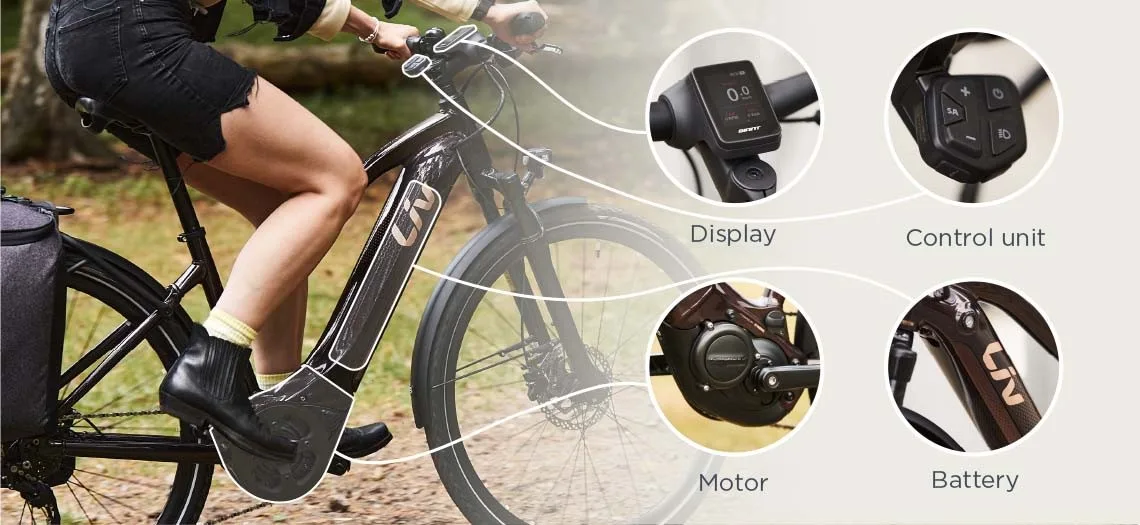
Electric bikes have transformed the way we travel — combining the freedom of cycling with the convenience of electric power. They’re efficient, eco-friendly, and ideal for both city commuters and adventure seekers. But many new riders still wonder: how exactly does an electric bike work? Whether you’re a beginner or thinking about buying your first e bike, understanding its components and functions will help you get the most out of your ride.
The Core Components of an Electric Bike
An electric bike (or e-bike) may look similar to a traditional bicycle, but inside, it’s powered by advanced technology that assists your pedaling and enhances performance. The main components include:
- The Motor
The motor is the heart of the e-bike. It provides the additional power needed to propel you forward. Depending on the model, motors are typically found in one of three locations:
- Front Hub Motor: Located in the front wheel for even weight distribution.
- Rear Hub Motor: Offers more power and traction, ideal for hilly terrain.
- Mid-Drive Motor: Positioned near the pedals, providing natural balance and smoother performance.
Most UK-legal e-bikes feature a 250W motor, which assists up to 15.5 mph (25 km/h) — perfectly suited for daily commutes and leisure rides.
- The Battery
The battery stores and delivers energy to the motor. It’s usually a lithium-ion battery — lightweight, durable, and rechargeable.
Battery capacity is measured in watt-hours (Wh), and higher values mean longer riding range. For example:
- A 250Wh battery may cover around 25–30 miles.
- A 500Wh battery can reach up to 60 miles on a single charge.
Charging is simple: just plug it into a standard wall outlet. Most e-bike batteries take between 3 to 6 hours to fully charge.
- The Pedal Assist System (PAS)
This intelligent system detects when you pedal and delivers motor assistance accordingly. The harder you pedal, the more power the motor provides — giving you a natural riding experience.
Most e-bikes offer multiple assist modes, such as:
- Eco Mode: Conserves energy for longer rides.
- Normal Mode: Balances power and efficiency.
- High/Boost Mode: Provides maximum motor assistance for hills or strong headwinds.
Some models also include throttle control, allowing you to ride without pedaling — though throttle-only bikes may fall outside UK’s EAPC regulations.
- The Controller
The controller acts as the e-bike’s “brain,” regulating how much power goes from the battery to the motor. Riders can adjust settings using handlebar-mounted displays, which often show:
- Speed
- Battery level
- Distance covered
- Assist level
- Remaining range
This digital control gives you full command over your ride’s comfort and efficiency.
- Sensors
Modern e-bikes use torque sensors and cadence sensors to measure your pedaling force and rhythm. These sensors allow the motor to respond instantly, delivering smooth acceleration and balanced assistance.
Torque sensors are typically found in higher-end models, offering a more natural riding feel.
How Power and Pedaling Work Together
When you start pedaling, sensors send signals to the controller, which then activates the motor. The motor provides a gentle push that makes riding uphill or against the wind effortless. The moment you stop pedaling, the motor cuts out automatically, ensuring safety and battery efficiency.
This combination of manual and electric power means you can ride farther and faster with less effort — all while staying in control.
Benefits of Electric Bikes
- Effortless Commuting: Ideal for daily travel without arriving sweaty or exhausted.
- Eco-Friendly Transportation: Zero emissions make e-bikes an environmentally conscious choice.
- Cost Savings: No fuel, tax, or insurance required for road-legal models.
- Health and Fitness: You still get exercise, but with adjustable assistance to suit your comfort level.
- Versatility: Perfect for city rides, country trails, or long-distance touring.
If you’re considering switching to sustainable transport, a high-quality e bike offers the perfect balance of technology, comfort, and practicality.
How to Maintain Your Electric Bike
- Charge the battery regularly – avoid complete drainage before recharging.
- Store in a cool, dry place – extreme temperatures can reduce battery lifespan.
- Check tire pressure and brakes – ensures a smoother, safer ride.
- Clean gently – avoid using high-pressure water around electrical parts.
- Service annually – professional maintenance keeps your e-bike in top condition.
Conclusion
So, how do electric bikes work? It’s all about the seamless combination of motor assistance, smart sensors, and battery power that enhances your pedaling experience. They make cycling easier, faster, and more accessible — whether you’re commuting to work or exploring the countryside. Investing in a reliable e bike not only transforms your travel but also supports a cleaner, greener future.
Frequently Asked Questions (FAQ)
- How fast can an electric bike go in the UK?
UK regulations limit electric bike assistance to 15.5 mph (25 km/h). You can pedal faster manually, but the motor will not assist beyond that speed. - How long does an e-bike battery last?
A well-maintained lithium-ion battery typically lasts 500–1,000 charge cycles, or about 3–5 years. - Can I ride an electric bike in the rain?
Yes, most e-bikes are water-resistant, but avoid deep puddles and always dry your bike afterward. - How much does it cost to charge an electric bike?
Charging a standard battery costs only a few pence — far cheaper than fuel or public transport. - Do electric bikes need insurance or tax?
No. Road-legal e-bikes that meet EAPC standards require no insurance, licence, or road tax in the UK.