How Does HOZO NeoRuler Revolutionize Metric Measuring for Students?
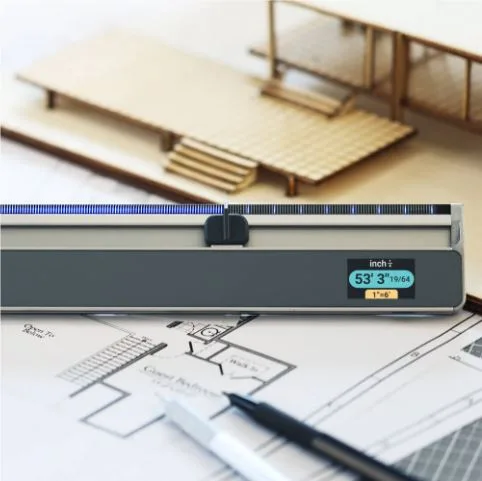
Picture this: a third-year architecture student stays up until 2 AM refining a scale model, only to discover that her traditional ruler introduced a cumulative error of several millimeters across repeated measurements. The entire floor plan is off, and the deadline is tomorrow. This scenario plays out in studios and engineering labs everywhere, where students rely on conventional metric measuring scale tools that simply weren’t designed for the precision and efficiency that modern academic work demands. Between warped plastic rulers, tangled tape measures, and expensive professional instruments that blow through a student budget, the gap between what learners need and what they can access remains frustratingly wide. Enter the HOZO NeoRuler—a digital measuring tool engineered to bridge that gap with smart technology, intuitive design, and affordability. In this article, we’ll explore why traditional metric measuring falls short for students, how the NeoRuler’s features directly address those pain points, and the practical steps you can take to integrate it into your next project.
The Persistent Challenges in Metric Measuring for Students
Traditional metric measuring scale tools present students with a trifecta of frustrations that directly undermine academic performance. Standard plastic rulers warp over time, lose edge definition, and introduce parallax errors that compound across multiple readings—turning a precise architectural draft into guesswork. Tape measures, while portable, suffer from blade curvature and inconsistent tension, making them unreliable for the fine tolerances required in engineering coursework. Meanwhile, professional-grade instruments like digital calipers or laser distance meters deliver accuracy but at price points that strain already tight student budgets. These limitations create a measurable impact on learning outcomes: students spend more time double-checking figures than actually designing, modeling, or problem-solving. In disciplines where a single millimeter of drift can invalidate a structural calculation or misalign a physical prototype, the measuring demands of academic projects have simply outgrown what conventional tools can deliver. The result is wasted materials, missed deadlines, and grades that reflect tool limitations rather than student capability.
HOZO NeoRuler: A Leap into Digital Measuring Technology
The HOZO NeoRuler represents a fundamental rethinking of what a metric measuring scale can be when smart ruler technology meets thoughtful industrial design. At its core, this digital ruler replaces the guesswork of reading tiny graduation marks with a clear digital display that shows measurements in real time, eliminating parallax errors entirely. The device combines rolling-wheel distance tracking with electronic precision, allowing students to measure both straight lines and curved surfaces—something no traditional ruler handles gracefully. Bluetooth connectivity lets users send measurement data directly to a smartphone or laptop, transforming a simple physical reading into actionable digital information. Unlike analog tools that offer one function and one chance to read correctly, the NeoRuler stores multiple measurements in memory, converts between metric and imperial units instantly, and maintains consistent accuracy regardless of surface type or user technique. For students accustomed to juggling multiple measuring instruments across different project phases, this consolidation into a single portable device marks a genuine shift from conventional metric measuring scale tools toward an integrated digital workflow that matches how they already think and work.
Addressing Student Needs: Affordability and Reliability with HOZO NeoRuler
Cost-Effectiveness for Student Budgets
Students often face a painful choice between cheap tools that compromise accuracy and professional instruments that devour limited funds. The HOZO NeoRuler occupies a strategic middle ground, delivering digital precision without the premium price tag associated with laser meters or high-end calipers. When you factor in the hidden costs of traditional measuring—replacing warped rulers each semester, buying separate tools for curved and straight measurements, and wasting materials due to inaccurate readings—the NeoRuler’s single investment pays for itself quickly. Many retailers offer educational discounts or bundle deals that further reduce the upfront cost, making it accessible even for first-year students assembling their toolkit from scratch. Over a four-year degree, one durable digital device replaces the cycle of purchasing, breaking, and repurchasing analog tools that never quite deliver consistent results.
Ensuring Accurate and Consistent Measurements
Reliability matters most when grades depend on precision. The NeoRuler’s rolling-wheel sensor maintains accuracy across repeated uses without the drift that plagues mechanical tools, and its digital calibration process takes seconds—simply zero the device against a known reference and it’s ready. Unlike plastic rulers that degrade with temperature changes or tape measures that stretch over time, the NeoRuler delivers the same reading whether it’s your first measurement of the day or your fiftieth. This consistency directly reduces the compounding errors that sabotage scale models, structural calculations, and technical drawings, giving students confidence that their results reflect genuine skill rather than tool-induced variance.
User-Friendly Technology: Simplifying Measurements for Students
Intuitive Interface and Controls
A powerful tool means nothing if students waste twenty minutes figuring out how to use it. The NeoRuler sidesteps this problem with a minimal control layout—just a few clearly labeled buttons handle power, unit switching, memory storage, and zeroing. The digital display presents measurements in large, high-contrast digits readable at a glance, even under the fluorescent lighting of a studio or workshop. There’s no menu diving or cryptic icon decoding; students pick it up, press one button, and start measuring within seconds of first handling the device. The rolling-wheel mechanism provides tactile feedback as it tracks distance, giving users an intuitive sense of how far they’ve measured without needing to stare at the screen constantly. For students who’ve never used digital measuring instruments before, this low learning curve means the NeoRuler integrates into their workflow on day one rather than sitting unused in a drawer while they default to familiar analog tools.
Integration with Academic Software
Where the NeoRuler truly earns its place in a student’s toolkit is through its Bluetooth data transfer capability, which connects directly to the apps and software that academic programs already require. Measurements captured on the device can be pushed to CAD platforms like AutoCAD or SketchUp, populating dimension fields without manual transcription—eliminating the typos and transposition errors that creep in when students hand-enter dozens of figures. The companion app also exports data as CSV files, making it straightforward to drop measurements into spreadsheets for structural analysis or project documentation. For group projects, shared measurement logs mean every team member works from identical data sets, reducing the miscommunication that derails collaborative builds. This seamless bridge between physical measurement and digital workspace mirrors the integrated workflows students will encounter in professional practice, building habits that translate directly from the classroom to the job site.
Practical Steps: Using HOZO NeoRuler in Academic Projects
Setting Up the HOZO NeoRuler
Getting started takes less time than sharpening a pencil. Charge the device fully using the included USB-C cable—a full charge typically provides weeks of intermittent student use. Once powered on, pair it with your smartphone or laptop via Bluetooth by holding the connectivity button for three seconds until the indicator flashes, then select the device from your phone’s Bluetooth menu. Download the companion app, create a project folder named after your current assignment, and you’re ready to measure. Before your first session, zero the device against a known reference length (a calibration block or verified straightedge) to confirm accuracy. This one-time setup ensures every subsequent measurement starts from a trusted baseline.
Measuring and Recording Data
With setup complete, place the NeoRuler’s wheel at your starting point and roll it steadily along the surface you need to measure—whether that’s the edge of a foam-core model, the curve of a site plan printout, or the perimeter of a 3D-printed component. The digital display updates in real time, and pressing the memory button locks that reading into storage. For a typical architectural model, you might capture twenty or thirty dimensions in a single session: wall lengths, window widths, setback distances. Each stored measurement is automatically timestamped and sequenced, so you can retrace your workflow later without confusion. If you need to measure a complex curve—say, a landscaping contour—simply guide the wheel along the path and the device accumulates the total distance seamlessly, something that would require string and patience with analog tools.
Exporting Measurements for Reports and Projects
Once your measurements are captured, open the companion app and select your project folder. From there, export options include CSV for spreadsheets, DXF for direct CAD import, or a formatted PDF summary suitable for appending to lab reports. For a structural engineering assignment, push your dimension set directly into AutoCAD and watch the values populate your drawing’s annotation fields—no retyping, no transposition mistakes. Group members can access shared measurement logs through cloud sync, ensuring everyone references identical data when assembling collaborative deliverables. When submission day arrives, your documentation includes a verifiable digital record of every measurement taken, adding credibility to your methodology section and demonstrating professional-level rigor that instructors notice.
The Broader Impact: Smart Ruler Technology and Future Trends
The NeoRuler isn’t just a better ruler—it signals a broader transformation in how educational institutions approach physical measurement. Smart ruler technology represents the convergence of sensor miniaturization, wireless connectivity, and affordable manufacturing that’s making precision tools accessible beyond professional workshops for the first time. As this category matures, students can expect future iterations to incorporate features like augmented reality overlays that project measurements directly onto surfaces, AI-assisted error detection that flags inconsistencies before they propagate through a design, and deeper native integration with BIM platforms and parametric modeling environments. Educational programs are already adapting curricula to emphasize digital measurement literacy alongside traditional draftsmanship, recognizing that graduates entering architecture, engineering, and industrial design firms will encounter fully digitized measurement workflows from day one. HOZO, drawing on its manufacturing expertise, is well positioned to continue advancing this category as sensor technology and software ecosystems evolve. The long-term benefit extends beyond convenience: students trained on smart measuring tools develop stronger data management habits, better documentation practices, and an intuitive understanding of measurement uncertainty that serves them throughout metric-intensive careers. As manufacturing costs continue declining and software ecosystems expand, digital measuring tools will likely become as standard in a student’s kit as a graphing calculator—not a luxury, but a baseline expectation that elevates the quality of academic work across every project and discipline.
Why the HOZO NeoRuler Is the Smart Upgrade for Student Precision
The HOZO NeoRuler fundamentally changes how students interact with metric measuring scale tools by collapsing the traditional trade-offs between affordability, reliability, and ease of use into a single device. Where conventional rulers and tape measures force students to choose between budget-friendly inaccuracy and expensive precision, the NeoRuler delivers consistent digital measurements at a price point that respects student finances. Its intuitive controls eliminate the learning curve that keeps powerful tools gathering dust, while Bluetooth connectivity and software integration transform raw measurements into actionable data that flows directly into CAD platforms, spreadsheets, and collaborative project files. The practical workflow—from quick setup and real-time rolling measurement to one-tap data export—addresses the specific measuring demands of architecture, engineering, and design coursework without adding complexity. Beyond individual projects, the NeoRuler builds digital measurement literacy and documentation habits that prepare students for professional environments where integrated workflows are standard practice. For any student tired of compounding errors, wasted materials, and tools that fail when precision matters most, adopting the HOZO NeoRuler represents a straightforward upgrade that elevates project quality, saves time, and lets academic results reflect genuine ability rather than equipment limitations.