How Does Standing Pilot Safety Work?
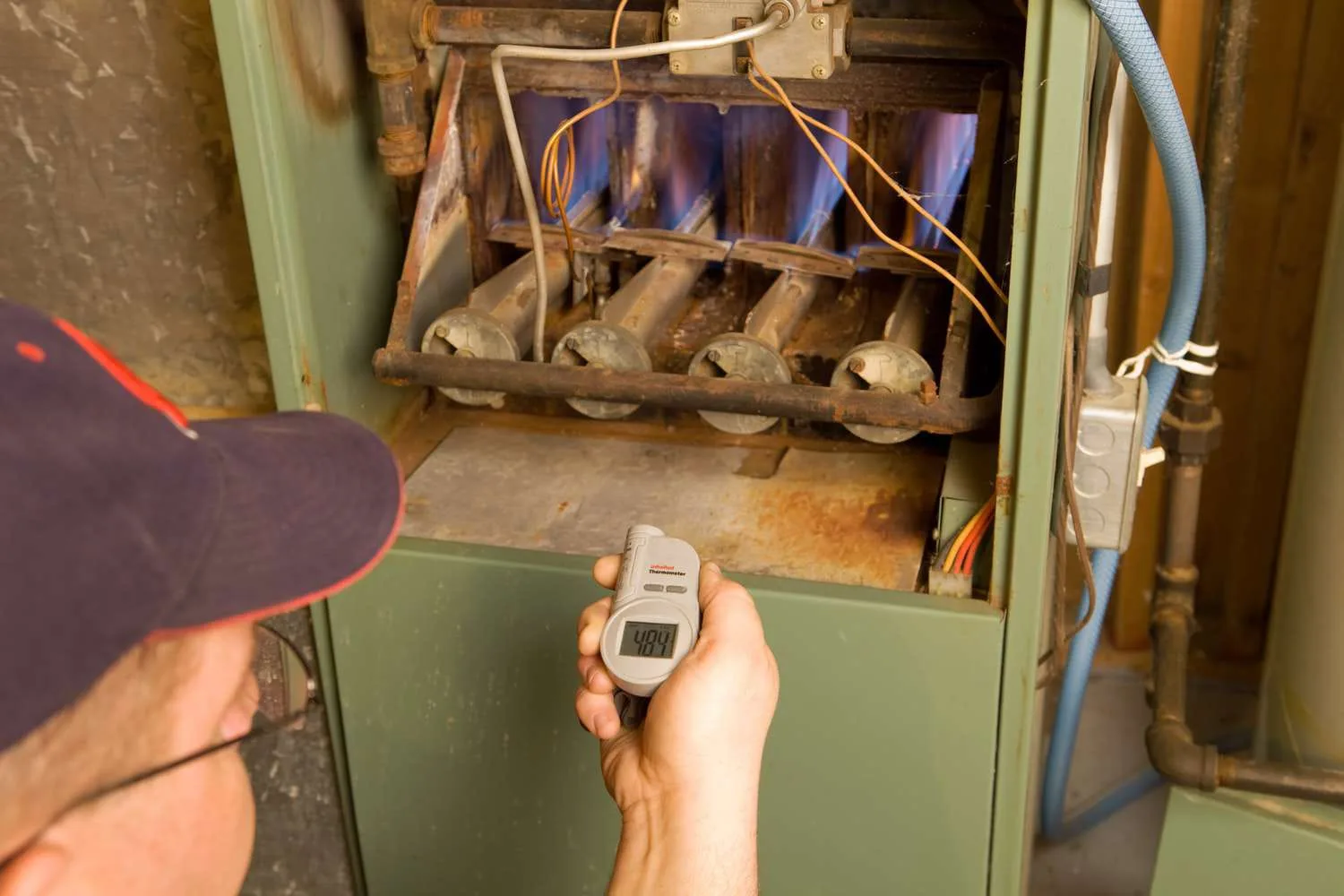
A standing pilot uses a small, continuous flame to ignite an older gas heating system. Its safety depends on a thermocouple that senses heat and controls the gas valve. Understanding this simple sequence can help homeowners recognize pilot problems, respond safely, and know when professional heating repair is the next step.
A standing pilot may look like an ordinary flame, but it works with a safety control that serves an important purpose. The flame heats a device called a thermocouple, which creates a small electrical signal. That signal allows the pilot gas valve to remain open. If the flame goes out, the thermocouple cools and the valve should close, limiting unburned gas flow. Learning standing pilot safety basics helps homeowners understand why a pilot will not stay lit and why repeated relighting is not a complete solution. Persistent ignition trouble should always be inspected by a qualified heating professional promptly for safety.
What Is a Standing Pilot?
A standing pilot is a small flame that remains lit inside many older gas furnaces and heating systems. Its purpose is to ignite the main burners when the thermostat requests heat.
When the thermostat detects that the home is too cold, the system allows gas to reach the main burners. The nearby pilot flame ignites that gas, and the burners begin producing heat. After the thermostat reaches its setting, the burners shut off, but the standing pilot continues burning.
Many newer furnaces use electronic ignition instead. These systems create a spark or flame only when heat is required.
How Does the Thermocouple Control Gas Flow?
The Heat-Sensing Safety Component
The thermocouple is positioned so the pilot flame heats its tip. It is made from different metals that generate a small electrical current when heated.
This current communicates with the safety valve. It confirms that a flame is present and allows gas to continue flowing to the pilot.
The basic sequence is:
- Gas reaches the pilot burner.
- The pilot flame heats the thermocouple.
- The thermocouple produces an electrical signal.
- The signal keeps the safety valve open.
- The pilot remains available to ignite the main burners.
If any part of this sequence fails, the pilot may not remain lit.
What Happens When the Pilot Flame Goes Out?
When the pilot goes out, the thermocouple stops receiving heat. It begins cooling, causing its electrical signal to weaken and disappear.
Without that signal, the safety valve closes and stops gas flow to the pilot. This action is designed to prevent unburned gas from continuously entering the heating system.
The furnace cannot operate normally without a dependable pilot flame. A pilot that goes out immediately after being lit may indicate that the thermocouple is not detecting enough heat.
Why Does a Pilot Refuse to Stay Lit?
Several conditions can interfere with pilot operation. A draft may blow out the flame, or dirt around the pilot opening may reduce gas flow. The thermocouple may also become corroded, worn, bent, or incorrectly positioned.
Common warning signs include:
- The pilot goes out shortly after lighting.
- The flame appears weak or unstable.
- The furnace fails to start.
- The pilot requires frequent relighting.
- Soot forms around the burner area.
Understanding standing pilot safety basics can help homeowners recognize these signs, but gas controls should not be adjusted, bypassed, or repaired without appropriate training.
What Should a Healthy Pilot Flame Look Like?
A properly operating pilot flame is usually steady and mostly blue. It should be strong enough to heat the thermocouple directly.
A weak, flickering, or yellow flame may suggest dirt, poor gas flow, incomplete combustion, or another system problem. Shooting near the pilot assembly also requires attention.
Do not attempt to improve the flame by bending components or adjusting the gas supply. A heating technician can inspect the pilot burner, thermocouple, gas valve, and surrounding components safely.
Why Does the Thermocouple Fail?
Thermocouples operate in constant heat, so normal wear can affect them over time. Corrosion, physical damage, poor positioning, or a weak pilot flame may prevent the component from producing a reliable signal.
A failing thermocouple may allow the pilot to light while the control knob is held down. The flame then goes out when the knob is released because the gas valve does not receive the signal needed to remain open.
Replacing a thermocouple requires correct placement and testing. Professional repair ensures the entire ignition system is checked instead of replacing a part without confirming the cause.
How Should You Respond to Pilot Trouble?
Follow the manufacturer’s instructions located on or near the heating equipment. Relighting procedures differ, and generic instructions may not be suitable for every system.
Stop immediately if you smell gas. Do not light the pilot, operate switches, use a phone inside the home, or create a flame. Leave the building and contact the gas provider or emergency services from a safe location.
Professional service is also necessary when the pilot repeatedly fails, the flame looks unusual, or the furnace will not operate after relighting.
Standing Pilot vs. Electronic Ignition
A standing pilot consumes a small amount of gas continuously because the flame remains lit. Electronic ignition avoids constant pilot fuel use by operating only when the heating system needs to start.
However, a standing pilot does not automatically make a furnace unsafe or require immediate replacement. Equipment age, condition, efficiency, repair history, and reliability should guide the decision.
Routine heating maintenance can help confirm that the pilot assembly and other furnace components continue operating correctly.
FAQs
1. Does the Thermocouple Control the Main Burners?
The thermocouple primarily confirms that the pilot flame is present. This allows the safety system to permit normal burner operation when the thermostat requests heat.
2. Why Does the Pilot Go Out When I Release the Knob?
The thermocouple may not be hot enough, properly positioned, or functioning correctly. A weak pilot flame may also prevent it from creating a sufficient signal.
3. Is a Yellow Pilot Flame Dangerous?
A yellow or unstable flame can indicate poor combustion, dirt, or incorrect gas flow. Turn to a qualified heating technician for inspection.
4. Can I Bypass a Faulty Thermocouple?
No. Bypassing the thermocouple removes an essential gas safety control and can create a serious hazard.
5. Do All Modern Furnaces Have Standing Pilots?
No. Many modern furnaces use electronic ignition systems that activate only when heating is required.
The Final Word
Standing pilot safety relies on a straightforward relationship between the pilot flame, thermocouple, and gas valve. The flame heats the thermocouple, which generates the electrical signal needed to keep the valve open. If the pilot goes out, the thermocouple cools, the signal stops, and the valve closes to limit unburned gas flow.
A pilot that repeatedly goes out should not be treated as a minor inconvenience. Drafts, dirt, weak flames, poor thermocouple positioning, wear, or gas-control problems may be responsible. Follow the equipment manufacturer’s instructions and never bypass safety controls or alter gas components. Leave the property and seek help immediately if you smell gas. Knowing standing pilot safety basics allows homeowners to recognize normal operation, identify warning signs, and make safer decisions. Professional heating repair and maintenance can restore reliable ignition while confirming that every safety component performs its intended function.