How Does the Galveston Ring Barrier Protect Galveston Island’s Interior?
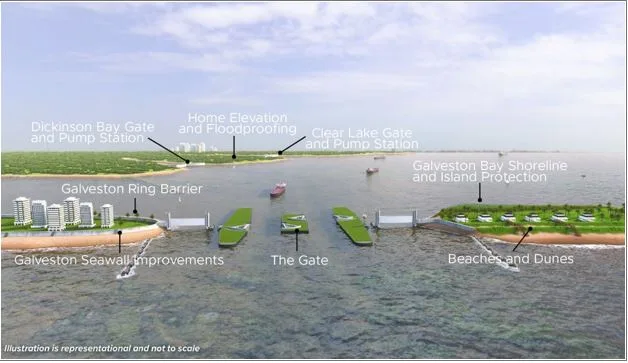
Galveston Island sits low against the Gulf of Mexico, facing constant storm surge risk. Hurricanes can push walls of water toward the island’s beaches and bay side each year. Unlike a single seawall that guards only one stretch of coast, GCPD’s ring barrier plan wraps around the whole island. The plan ties the floodgates and levees to existing structures, creating a single connected shield. Local leaders describe the project as a genuine turning point for storm preparedness on the island. Planners spent several years studying past storms before settling on this particular design.
Understanding the Ring Barrier Concept
The ring barrier concept borrows ideas from flood defenses used across the world. Engineers studied the Netherlands and other low lying coastal regions before finalizing the design. The surge protection plan breaks construction into stages, starting with floodgates near the ship channel. Instead of one long wall, the system uses several shorter segments joined at key points. Each segment targets a specific weak spot along the island’s changing shoreline. Levees handle steady water pressure, while gates manage sudden surges during storms.
How the Surge Gate System Works
Surge gates form the most visible part of the entire ring barrier system. These gates stay open during normal weather to allow boats and tides to pass freely. Sensors monitor wind speed and tides, tracking storm positions as conditions shift. When a storm approaches, operators can close the gates within a short window. Closed gates block the surge while pumps remove water trapped on the inland side. The process mirrors systems already proven successful in other major port cities worldwide.
Protecting Homes and Critical Infrastructure
Homes across Galveston Island depend on more than just strong roofs and walls. Roads and hospitals are within reach of a major surge, as are nearby power stations. A single flood event could knock out electricity and block emergency vehicle access. The ring barrier aims to keep these systems running even during severe storms. Schools and shelters located further inland gain extra protection once the gates seal shut. Business districts near the port also stand to avoid repeated flood damage.
Environmental and Community Considerations
This project has sparked debate over how construction might affect local birds and marine habitats. Wetlands around Galveston Bay support fish and birds, along with plenty of other marine life. Planners worked closely with environmental groups to limit disruption during construction phases. Some marsh areas will be restored once major building work wraps up. Shrimp and crab populations depend heavily on these shallow waters staying healthy. Fishing families and tourism operators both weighed in during the public review process.
Long Term Resilience for Galveston Island
Storm patterns along the Gulf Coast continue shifting as sea levels slowly rise. A single hurricane season can cost billions in damage without proper flood defenses. Officials expect the ring barrier to lower repair costs over coming decades. Insurance rates on the island may also stabilize once construction reaches completion. Younger generations stand to inherit a safer, more predictable coastal community. This planning decides whether Galveston can add new neighborhoods and businesses over the next decade.
Galveston rebuilt after the 1900 hurricane, and each storm since has reshaped how the island plans its defenses. Engineers traced storm paths and flood records to place each gate and levee segment exactly where past surges hit hardest. Residents who lived through Ike and Harvey helped shape where the barrier needed to hold strongest. Once sealed, the gates are built to keep floodwater away from homes, clinics, and small businesses along the shoreline. Pumps clear standing water within hours, not days, so families can return home and businesses can reopen sooner. Power crews and water utilities can restore service faster once the surge no longer floods their equipment. That kind of protection shapes whether Galveston keeps growing or loses ground the next time a hurricane makes landfall.