How Does the Thickness of PPF Impact Its Performance?
If you are looking to protect your car’s paint, paint protection film (PPF) is one of the best solutions. But not all films are the same. One of the most important factors that affect the performance of PPF is thickness.
Understanding how thickness impacts protection, appearance and durability can help you choose the right PPF for your vehicle. This guide explains it in a simple way, so anyone, even beginners, can make an informed decision.
Table of Contents
- What is PPF Thickness?
- Why Thickness Matters for PPF
- How Thickness Affects Protection
- How Thickness Affects Appearance
- How Thickness Affects Self-Healing Properties
- Choosing the Right Thickness for Your Car
- Best Paint Protection Film in India and Thickness Options
- Professional vs DIY Installation and Thickness Considerations
- Maintenance Tips for Different PPF Thicknesses
- Common Mistakes to Avoid
- Cost Implications of PPF Thickness
- Conclusion
1. What is PPF Thickness?
PPF thickness refers to how thick the film is, usually measured in microns (µm).
- Standard PPF thickness ranges from 100 microns to 250 microns.
- Thicker films provide stronger protection, while thinner films are more flexible and easier to apply.
- Thickness can influence scratch resistance, chip protection and even self-healing ability.
Think of it like wearing armor. A thicker shield will protect you better but might be heavier.
2. Why Thickness Matters for PPF
The thickness of your PPF plays a major role in its performance. Here’s why:
- Protection: Thicker films can absorb impacts from stones, scratches and minor collisions better.
- Durability: A thicker film usually lasts longer.
- Self-Healing: Certain thicknesses enhance the film’s ability to repair minor scratches automatically.
- Appearance: Thickness affects how natural or glossy the film looks on your car.
In simple terms, thickness is not just a number; it determines how well your PPF does its job.
3. How Thickness Affects Protection
- Thin PPF (100–150 microns): Offers basic protection. Protects against minor scratches and dirt but may not withstand heavy stone chips.
- Medium PPF (150–200 microns): Balances protection and flexibility. Suitable for daily drivers.
- Thick PPF (200–250 microns): Provides maximum protection. Ideal for high-speed driving or cars that often travel on rough roads.
- Thickest PPF (300-400 microns) : Its the strongest PPF out there. However, Aegis Films is the only brand that has PPFs with this level of thickness.
The thicker the film, the better it absorbs impact and protects your car’s paint.
4. How Thickness Affects Appearance
While thicker films offer better protection, they can slightly affect the car’s appearance if not installed properly.
- Thin films are nearly invisible and maintain the car’s original shine.
- Thicker films may have a slight raised effect or may require professional installation to ensure smooth edges.
- Glossy vs Matte finish: Thickness interacts with the type of film. For example, thick matte films may reduce the matte look slightly if applied incorrectly.
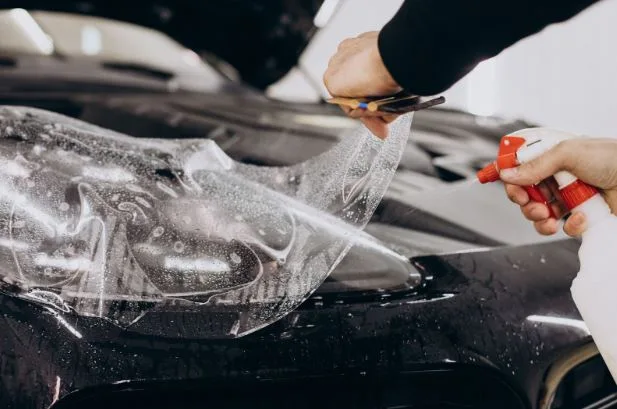
A professional installer can ensure that even thicker PPF looks seamless and natural.
5. How Thickness Affects Self-Healing Properties
Some modern PPFs have self-healing coatings that repair minor scratches automatically when exposed to heat or sunlight.
- Thin films: May heal minor scratches quickly, but deep scratches may remain visible.
- Thicker films: Can absorb deeper scratches and still heal minor ones effectively.
- The combination of thickness and high-quality PPF coating determines how well your car’s paint remains scratch-free.
6. Choosing the Right Thickness for Your Car
Choosing the right thickness depends on your car usage:
- City driving: Medium thickness is often enough. Cars face minor scratches and occasional stone chips.
- Highway driving: Thick PPF is recommended for cars that face high-speed stone impacts.
- Luxury or collectable cars: Thick, high-quality PPF ensures maximum protection and maintains resale value.
- Personal preference: If you prioritise a completely invisible finish, slightly thinner films may be preferable, but only with high-quality material.
7. Best Paint Protection Film in India and Thickness Options
When searching for the best paint protection film in India, check for:
- Multiple thickness options: Trusted brands offer films from 100 microns to 250 microns.
- Warranty and durability: Thicker films usually come with longer warranties.
- PPF coating: Some films have advanced coatings that enhance self-healing and scratch resistance.
Popular brands in India like Aegis Films, 3M, XPEL and Llumar provide films in different thicknesses suitable for a variety of cars and driving conditions.
8. Professional vs DIY Installation and Thickness Considerations
- DIY Installation: Thin films are easier for beginners but risk bubbles and wrinkles.
- Professional Installation: Thicker films need precise application, which trained technicians can ensure.
- Professional installers adjust techniques based on thickness, ensuring a smooth, invisible finish and maximum protection.
9. Maintenance Tips for Different PPF Thicknesses
Maintaining your PPF correctly increases its lifespan:
- Regular cleaning: Wash your car gently with a soft cloth or sponge.
- Avoid harsh chemicals: Use mild soaps.
- Self-healing care: Light scratches will heal on thick films naturally. For thin films, avoid abrasive cleaning.
- Inspection: Thicker films last longer but should still be checked for edges lifting or dirt accumulation.
10. Common Mistakes to Avoid
- Ignoring thickness while buying PPF: Many buyers focus only on price or brand.
- Skipping professional advice: Not all thicknesses suit all cars.
- Assuming thicker is always better: Too thick a film may be harder to install or look unnatural if done incorrectly.
- Neglecting maintenance: Both thin and thick films require care.
11. Cost Implications of PPF Thickness
Thickness can impact the price of PPF:
- Thin films (100–150 microns): Less expensive but offer lower protection.
- Medium films (150–200 microns): Moderate price with balanced protection.
- Thick films (200–250 microns): Premium pricing but long-lasting and high protection.
Always consider thickness as an investment in protecting your car’s value.
12. Conclusion
The thickness of paint protection film (PPF) plays a crucial role in how well it protects your car, maintains its appearance and heals minor scratches. Thicker films generally offer better protection, but choosing the right thickness depends on your car type, driving conditions and personal preference.
For the best paint protection film in India, focus on trusted brands, PPF coating quality, professional installation and the right thickness. By understanding the role of thickness, you can make a smart choice and keep your car looking new for years.