How Driver Turnover May Change the Operational Profile of a Trucking Company
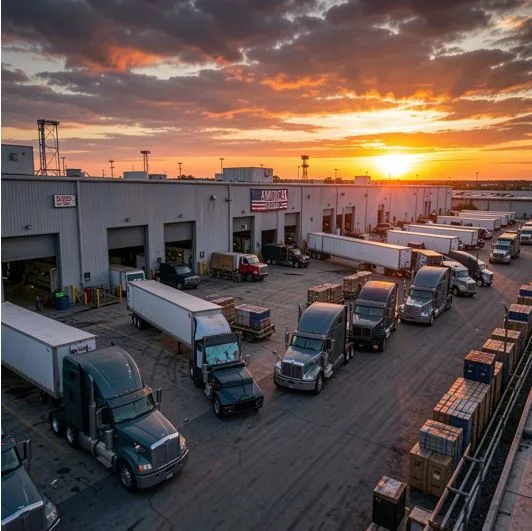
Driver turnover in commercial trucking may affect more than workforce stability. Changes in driver experience, equipment familiarity, and dispatch coordination may gradually shift the daily operational profile of a fleet — even when vehicle composition, routes, and customers remain unchanged.
A trucking company does not need to expand its fleet, acquire new routes, or add customers for its operational profile to change. Sometimes the most significant changes happen internally.
Driver turnover is one such example. Experienced drivers leaving a company while new drivers are recruited does not change fleet composition, customer base, or operating territory. Still, the organization of transportation activities may begin to shift.
Driver turnover does not automatically trigger changes in commercial trucking coverage. The composition and experience of the driver workforce may, however, influence how daily operations are carried out — and that operational shift is what becomes relevant when coverage is reviewed.
A Change of Drivers Means a Change in Operations
Replacing one driver with another may appear to be a straightforward personnel decision. In reality, drivers participate in nearly every aspect of the transportation process.
Experience related to particular routes, customers, equipment, loading facilities, and dispatch procedures is often developed over years. When that experience leaves, another employee may handle the same tasks differently.
It does not mean that the replacement driver will present greater liability risk to the company. Instead, the operating environment becomes less familiar to the replacement driver until they adjust to company procedures.
This process is one of the reasons why driver turnover is worth considering as part of the broader operational picture.
For transportation businesses navigating those shifts, working with an independent agency specializing in commercial trucking insurance — such as GIA Group, LLC — may simplify the process of connecting workforce changes to coverage placement.
What Changes When Experience Leaves the Fleet?
Experienced drivers may carry practical knowledge that does not necessarily get reflected in company records.
An experienced driver may know about challenging loading facilities, customers with variable requirements, equipment quirks, or special requirements of certain delivery environments.
When the driver leaves, that knowledge may not be fully transferred through written instructions.
New drivers will gradually develop that knowledge themselves. Until that happens, daily operations may involve more communication, route planning, and coordination with dispatch.
This is not necessarily a negative development — it reflects a transitional operating pattern that most fleets work through as new drivers build familiarity with their routes, customers, and equipment.
Turnover May Change the Balance Between Drivers and Dispatch
Driver experience can affect how much coordination is needed between the driver on the road and the dispatcher.
An experienced driver already understands what particular customers typically require and how to handle specific routes. A less experienced driver may need additional information about pickup procedures, appointment times, equipment, and other operational specifics.
With higher turnover, dispatchers may spend more time coordinating the operation.
This may affect the rhythm of daily operations — particularly in fleets where drivers regularly work with complex customers and demanding delivery environments.
The Importance of Equipment Familiarity
Driver turnover may also affect how equipment is handled. Drivers typically develop familiarity with particular equipment over years of use — learning its characteristics, potential issues, and how it performs in different operating situations.
With turnover, equipment assignments may change.
A driver assigned to unfamiliar equipment may need time to adjust to its characteristics. This is a normal part of fleet operations, yet it is another example of how personnel changes affect operating conditions without changing the physical composition of the fleet.
Turnover Does Not Always Happen Evenly
The timing of driver turnover matters. When drivers are replaced over a period of several months, operational changes may be gradual. When several drivers leave within a short period, this may create a substantially different operating environment.
For instance, a company may lose several experienced drivers before freight season. New drivers will be integrating into the fleet at the same time freight volume increases significantly.
Neither of these events necessarily creates a coverage issue individually. Together, however, they may produce a temporary change in operating conditions that is worth documenting and reviewing.
Claims History May Not Immediately Reflect the Change
Another reason why driver turnover may be overlooked is that personnel changes do not necessarily produce immediate changes in claims history.
A company may have a stable claims record during the same period in which several drivers were replaced.
This does not mean the operational profile remained unchanged.
Claims history reflects past activity, while personnel changes reflect the conditions of future operations. These represent two different types of information — and for that reason, personnel changes may be worth considering even when claims statistics appear stable.
When Driver Turnover Becomes Operationally Significant
Not every personnel change carries equal operational weight. Replacing an individual driver in an otherwise stable operation is not likely to have significant impact. Personnel changes at a larger scale — particularly in connection with new customers, new routes, or increased freight volume — tend to carry greater operational significance.
Personnel changes become most relevant when they are part of broader shifts in how the business operates.
Conclusion
Driver turnover is primarily a workforce management concern, but its effects may extend across the broader transportation operation.
Changes in experience, equipment familiarity, dispatch communication, and training requirements may gradually affect how a fleet is run — even when vehicle composition, customers, and routes remain unchanged.