How DTC Furniture Brands Are Making Small Bedroom Upgrades Easier
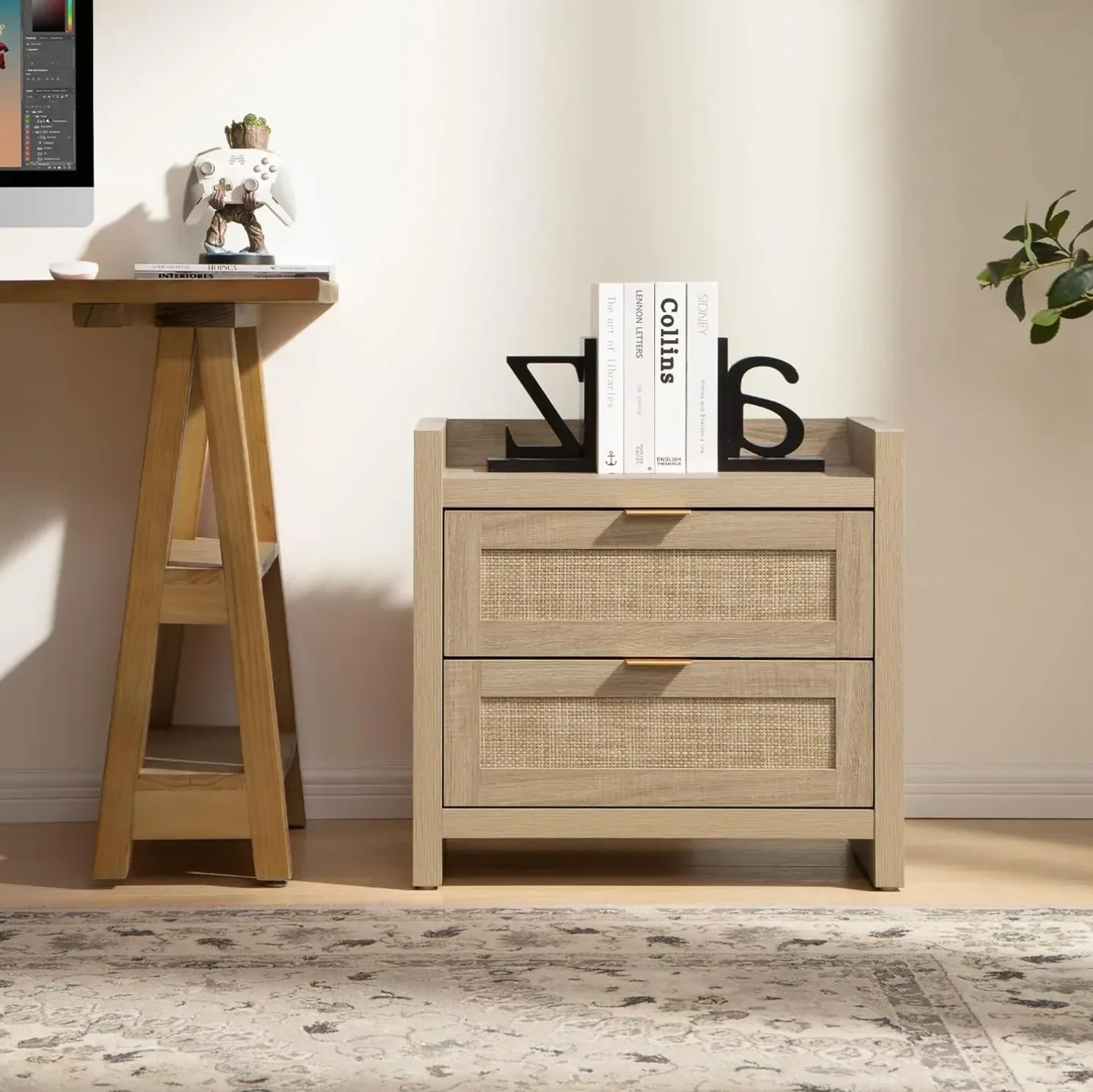
Buying furniture for a small bedroom used to be harder than it needed to be. Customers walked through showrooms, compared pieces in spaces five times larger than their actual rooms, guessed dimensions, arranged delivery, and hoped the final piece matched the rest of the bedroom once the box was unpacked.
That process still works for some buyers, but it does not match how most people now shop. Modern consumers expect clearer product information, faster online comparison, transparent pricing, and furniture that solves real space problems without forcing a full room redesign. They are the same buyers who already manage banking, insurance, groceries, and travel through their phones — and home goods is now catching up.
That shift is one reason direct-to-consumer (DTC) furniture brands have moved from a niche category into a real share of how Americans furnish their homes. By selling online, presenting product details more clearly, and building coordinated collections rather than one-off pieces, DTC furniture brands are making small bedroom upgrades easier — particularly for the buyers showrooms have always served the worst.
The shift is most visible in one quiet category: the nightstand.
Why Small Bedroom Furniture Is a DTC Opportunity
Small bedroom shoppers do not behave like other furniture buyers. They are not browsing for inspiration. They are usually solving several problems at once.
They need furniture that fits a tight space. They need hidden storage, because in a small bedroom every visible item adds visual weight. They want the room to feel intentional, but they often have realistic budgets. And many of them buy in stages — one piece this month, another next quarter — rather than committing to a full bedroom set in one transaction.
That set of behaviors maps almost perfectly onto what DTC commerce does well: granular product information, like-for-like comparison, transparent reviews, and the option to buy a single piece without sales pressure.
For a small-bedroom buyer, the questions are usually direct:
- Will this piece actually fit beside my bed?
- Does it have enough drawer storage to make a difference?
- Will the finish coordinate with what I already own?
- Is the price worth what I’m getting?
- Can I assemble it without help?
- What happens if it doesn’t work in my space?
The DTC furniture brands that have grown the fastest are the ones that answer those questions before the customer has to ask.
Traditional Furniture Retail Often Made Small Upgrades Feel Complicated
Showrooms are built for browsing, not for small-room decisions. A nightstand displayed in 4,000 square feet of retail space looks compact. The same piece beside a queen bed in a 110-square-foot bedroom can feel oversized. A dresser that anchors a staged room can block a closet door at home.
Coordination is the second weakness. A buyer who picks one nightstand today and wants a matching dresser six months later may discover the series has been discontinued, the finish has shifted slightly, or the matching piece is only sold as part of a larger set. For someone trying to upgrade a bedroom in stages, that uncertainty turns small purchases into larger commitments.
DTC furniture brands address both problems by changing how the product is presented before it ships. Buyers can read exact dimensions, compare finishes side by side, see how a piece looks in a real room rather than a staged showroom, and check whether matching items in the same series are still available. The convenience is not just about ordering online — it is about making a better decision online.
The Nightstand Shows Why Small Furniture Decisions Matter
A nightstand looks like a small purchase. In daily life, it is one of the most-used pieces of furniture in the bedroom.
It holds the items people reach for at the start and end of every day: phone, glasses, water glass, book, charger, medication, lamp. In a small bedroom, the nightstand either reduces clutter or becomes the place where clutter quietly collects. There is no neutral outcome.
That is why the category has evolved beyond “decorative side table.” Today’s buyers expect drawers, internal shelves, charging access, and a finish that coordinates with the rest of the bedroom — not a single feature, but a combination.
For DTC brands, this combination is a strong commercial position:
- A nightstand is easier and cheaper to ship than larger bedroom furniture.
- It sits at an accessible price point, lowering the buyer’s perceived risk.
- It is high-frequency and high-impact — used dozens of times a day.
- It is often the first piece in a longer bedroom upgrade arc.
In other words, a small piece of furniture quietly does a large amount of work — both for the customer and for the brand selling it.
Better Product Information Helps Shoppers Buy With Confidence
Furniture is a considered purchase. Even smaller items demand trust, because the buyer cannot touch the product before it arrives at the door.
That is why product information is the first thing serious DTC furniture brands invest in. The strongest online furniture pages do more than show beautiful photography. They answer practical questions before the customer has to look for them.
Useful information includes:
- Width, depth, and height — measured precisely, not rounded
- Drawer count and internal storage layout
- Finish options across the same product line
- Realistic assembly expectations and time estimates
- Shipping timelines and return policies
- Photographs in real rooms, not just on white backgrounds
- Customer reviews with usable detail
- Detail shots of materials, hardware, drawers, and edges
For small-bedroom furniture, this level of detail is not optional. The buyer needs to know whether a nightstand will sit at the right height beside their bed, whether the drawers are deep enough to be useful, and whether the finish will read warm, white, or oak under their lighting at home.
Clear information replaces guesswork. And in online furniture shopping, less guesswork is the single biggest driver of conversion — and the lowest cost intervention a brand can make.
Built-In Charging Is a Small Feature With Big Daily Value
Bedroom furniture has evolved partly because bedrooms have. The bedside area is now a charging station for phones, smartwatches, earbuds, tablets, lamps, and sometimes a CPAP machine or noise-reduction device. Modern adults often have three to five things plugged in within arm’s reach of the pillow.
Without a plan, the cables migrate. They run behind the bed frame, across the floor, over the top of the nightstand, around the edge of a lamp base. In a small bedroom, where every surface is visible, the visual mess undermines whatever calm the rest of the room is trying to create.
A nightstand with built-in charging solves the problem at the furniture level rather than the lifestyle level. It gives devices a defined home, removes the need for a tangle of wall adapters, and keeps the bedside surface looking edited even when the routine isn’t.
For example, the Savanna 2-Drawer Nightstands with Charging Station shows how a single small-bedroom piece can combine drawer storage, rattan texture, and a built-in USB / Type-C charging port into one practical bedside upgrade — the kind of feature combination that would have been hard to find in a traditional showroom even five years ago.
That is the direction the category is moving: not furniture that looks good in a photograph, but furniture that quietly does more work in real bedrooms. The DTC brands paying attention to actual routines — instead of showroom poses — are the ones the category-watchers should be tracking.
Coordinated Collections Make Bedroom Upgrades Less Overwhelming
Few people upgrade an entire bedroom in a single weekend. The realistic pattern is incremental: a nightstand first, a dresser six months later, possibly a wardrobe or matching bedside pair after that. The buyer is essentially financing the room over time.
That is why coordinated collections are one of the strongest competitive advantages a DTC furniture brand has. When a brand ships pieces that share finishes, proportions, and design language, customers can build a room across multiple visits without restarting the matching process each time. The first purchase opens the door for the second; the second makes the third easier.
A bedroom does not need every piece to be identical. It needs to feel intentional. Similar wood tones, repeated textures, and coordinated silhouettes do that with no extra effort from the buyer — the brand has already done the hard part.
For shoppers comparing drawer counts, charging options, and coordinated finishes, browsing a full range of modern nightstands makes the online decision process measurably faster — fewer tabs open, fewer mismatched product pages, fewer doubts at checkout.
That kind of decision support is what real “DTC convenience” looks like in 2026. Not faster shipping. Better matching.
Value Matters — But Today’s Buyers Still Want Style
It is tempting to assume DTC furniture buyers are mostly chasing the lowest price. The data tells a more interesting story.
Most online furniture buyers are not looking for cheap. They are looking for value — which is a different thing. They want the look of a more considered home without the markup of a high-end design house. They are open to engineered wood, flat-pack assembly, and rattan-fronted panels, as long as the aesthetic and function feel worth the price.
For small-bedroom furniture, this means a nightstand cannot just fill the gap beside the bed. It has to:
- Provide useful storage that solves a real clutter problem
- Look like it belongs to the same design world as the rest of the room
- Support daily routines, not just decorative photos
- Arrive with realistic, transparent expectations about delivery and assembly
- Feel worth the money on the day it arrives — and one year later
This is where DTC brands have a structural advantage. Without showroom overhead, they can spend more on product engineering, photography, and customer experience — and they can build their products around the needs of real rooms instead of the demands of in-store presentation.
Why Online Furniture Brands Need to Build Trust Differently
When a customer cannot see furniture in person, trust has to come from the page experience itself. There is no salesperson to vouch for the build, no chance to feel a drawer pull, no way to test how heavy the piece is.
Online furniture brands compensate by making practical detail unusually easy to find. The strongest DTC pages give the buyer:
| Buyer Concern | How DTC Brands Address It Online |
| Fit | Exact dimensions, scale photos, room comparisons, size guides |
| Style | Real-room photography, finish swatches, collection pages |
| Assembly | Clear instructions, time estimates, anti-tip hardware mentions |
| Risk | Visible return policy, customer reviews, stated warranty |
| Value | Transparent pricing, practical features, no aggressive discount theatrics |
The brands that make these signals easy to find reduce buyer hesitation at the most important moment — the seconds between “I like it” and “I bought it.” That is the part of the funnel where traditional retail has historically had the biggest advantage. DTC has now closed most of the gap, and in some categories, surpassed it.
Where Sicotas Fits Into the DTC Bedroom Upgrade Trend
Not every DTC furniture brand is built around small-bedroom buyers. Some are positioned at design-house pricing. Some are positioned at the disposable end. The interesting middle — practical, style-aware, value-driven — is where most actual American bedrooms get furnished, and it is where smaller DTC players have been quietly gaining share.
That shift is visible across emerging DTC players. Sicotas’s furniture line offers one example of how the model works in practice — coordinated bedroom and storage pieces presented around real-room measurements, drawer counts, charging features, finish options, and the practical questions a customer would otherwise have asked a salesperson in person.
The brand is not positioned as luxury. It is not positioned as bargain-basement. It sits in the middle ground that most American shoppers actually live in — buyers who want a bedroom that feels considered without paying for a designer’s name, and who are willing to build the room over time as long as the pieces coordinate.
That positioning is not unique to one brand. It is a category direction. The DTC furniture players that survive the next few years will be the ones that take it seriously.
What Other DTC Furniture Brands Can Learn From Small-Bedroom Buyers
Small-bedroom buyers reveal something important about modern furniture commerce: convenience alone is not enough. The brands that win in this segment have learned a more demanding playbook.
Six lessons stand out:
- Give exact product information — measurements, drawer specifics, finish swatches — before the customer has to ask.
- Solve a real daily problem — storage, charging, cable management, coordination — not just an aesthetic one.
- Make the design feel intentional, even at value pricing. Small details (rattan fronts, fluted detailing, matched hardware) carry visual weight.
- Offer coordinated options across a series, so the next purchase is a smaller decision than the first.
- Reduce risk through clear shipping, return, and assembly policies that read like sentences, not legal disclaimers.
- Build a product architecture where the first purchase naturally leads to a second.
The last point matters the most. A nightstand sale that ends at the nightstand is a transaction. A nightstand sale that leads to a coordinated dresser six months later — something like a Terra 6-Drawer Horizontal Dresser that shares a design language with the original bedside piece — is the start of a customer relationship. The economics of the two are very different.
Small purchases should not be treated as afterthoughts in DTC strategy. They are the audition. If the first piece fits well, looks better in person than online, and delivers without complications, the buyer comes back. If it does not, the brand never gets a second chance — and a category where the average customer spends thousands of dollars over a few years quietly walks away.
The Best DTC Furniture Brands Make Decisions Easier
The future of DTC furniture is not about lower prices or faster shipping alone. Both of those advantages have largely been priced in. The next phase is about something less flashy: making better decisions easier.
Small bedroom upgrades are an unusually clear example of where this works. A customer starts with a real problem — less clutter, more storage, organized charging, a more finished bedside area. The right online experience helps that customer understand what to buy, why it works in their specific room, and how it fits into a longer plan for the rest of the bedroom.
When DTC furniture brands combine practical features, transparent information, coordinated collections, and accessible design, they move beyond “selling furniture online.” They become decision platforms — the place customers go when they want a calmer bedroom, a less cluttered entryway, or a more functional small apartment, and trust the brand to walk them through the choice.
That is a quieter story than the one usually told about DTC. It is also the more durable one. The brands that win the next decade in furniture will not be the loudest. They will be the ones that consistently make a buyer’s next decision — first nightstand, then dresser, then the rest of the room — feel less like a risk and more like a step.