How El Salvador’s Spanish Language Is Influencing Wordle UK Puzzles
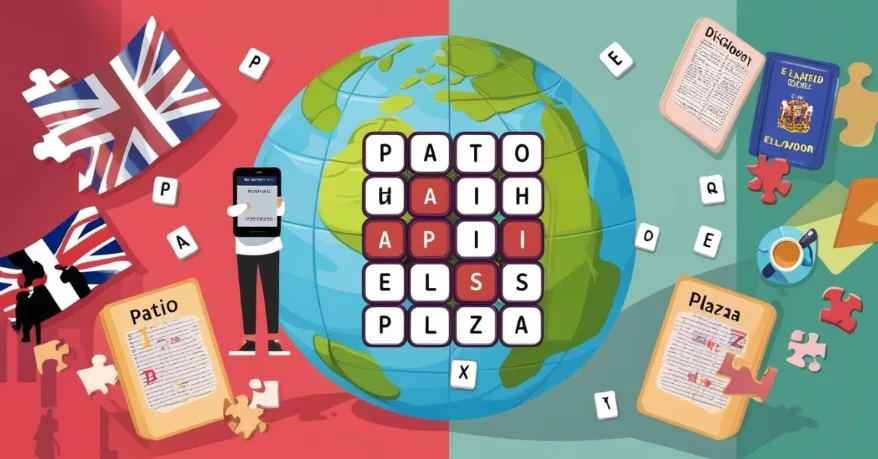
Wordle has evolved from a simple daily word game into a global linguistic phenomenon. While Wordle UK originally focused on familiar British English vocabulary, many players have recently noticed something interesting — some answers feel more international. Among these influences, the Spanish language, particularly the dialects spoken in countries like El Salvador, is quietly shaping how modern Wordle UK puzzles feel. This article explores how El Salvador’s Spanish language connects to Wordle UK, why this shift is happening, and what it means for players.
What Is Wordle UK and Why Is It So Popular?
Wordle UK is a localized version of the original Wordle game tailored for British English spelling and vocabulary. It gained massive popularity because of its simplicity: one puzzle per day, five-letter words, and a fair challenge for everyone.
Key reasons for its popularity include:
- Easy to play but mentally engaging
- Social sharing without spoilers
- A strong sense of routine
- Vocabulary-based challenge that feels educational
However, as Wordle’s audience expanded globally, its word pool naturally began to reflect more than just traditional British English.
Why Language Matters in Wordle Puzzles
Language is the heart of Wordle. Every puzzle relies on:
- Recognizable words
- Logical spelling patterns
- Fair but challenging vocabulary
If Wordle only used narrow regional language, it would eventually feel repetitive. To keep the game fresh, developers rely on modern English, which itself is a blend of many languages — especially Spanish.
Spanish Language Influence on Global English
Spanish is one of the most widely spoken languages in the world. English has already absorbed thousands of Spanish-origin words such as:
- patio
- plaza
- radio
- cargo
- mango
Because Wordle uses words that already exist in standard dictionaries, Spanish-influenced English words are completely valid. This is where countries like El Salvador come into the picture.
Understanding El Salvador’s Spanish Dialect
El Salvador speaks a unique form of Latin American Spanish with:
- Simplified pronunciation
- Short, vowel-heavy words
- Indigenous and regional vocabulary
Salvadoran Spanish often favors:
- Five-letter word structures
- Clear consonant-vowel patterns
- Practical everyday terms
These characteristics unintentionally align well with Wordle’s format, even if the words themselves are not directly taken from Salvadoran slang.
El Salvador–Inspired Spanish Words That Fit Wordle Rules
Many Spanish-origin words used in English share structural similarities with Salvadoran Spanish. Examples include:
- cacao
- radio
- plaza
- cargo
- patio
These words:
- Are five letters
- Appear in English dictionaries
- Feel “foreign” but familiar
- Are fair game for Wordle UK
UK players may not realize it, but these words reflect Spanish linguistic roots common in countries like El Salvador.
Have Spanish Words Already Appeared in Wordle UK?
Yes — Wordle has already featured words with Spanish origins. While not labeled as Spanish, their roots are unmistakable. This has caused:
- Surprise among UK players
- Increased discussion on forums
- Curiosity about word origins
This subtle inclusion helps Wordle remain fresh without alienating players.
Why El Salvador Specifically Gets Attention
El Salvador has gained global attention in recent years due to:
- Increased digital presence
- Tourism growth
- Cultural exposure through media
- Migration and language exchange
As English continues evolving through global contact, Salvadoran Spanish becomes part of the broader linguistic ecosystem influencing English vocabulary.
Are Wordle UK Puzzles Becoming More International?
Absolutely. Compared to early Wordle puzzles:
- Vocabulary feels more diverse
- Words are less region-locked
- Patterns reflect global English
This doesn’t mean Wordle UK has abandoned British English — it has simply embraced the reality of modern language.
How UK Players React to Spanish-Influenced Words
Player reactions are mixed:
- Some enjoy the challenge
- Others feel confused initially
- Many appreciate learning new words
Social platforms show that Wordle is increasingly viewed as both a game and a language-learning tool.
Can Salvadoran Slang Appear in Wordle UK?
Direct slang is unlikely because:
- Wordle avoids informal language
- Answers must appear in dictionaries
However, slang can evolve into accepted vocabulary over time. If a word becomes standardized, it could eventually qualify for Wordle.
Linguistic Experts’ Views on Wordle’s Word Choices
Language experts generally agree that:
- Games reflect language evolution
- Exposure builds vocabulary naturally
- Global words strengthen inclusivity
Wordle’s expanding word pool mirrors how English itself grows.
How Wordle Helps Spread Awareness of El Salvador’s Culture
Even indirectly, Wordle:
- Encourages curiosity about word origins
- Introduces global linguistic patterns
- Builds cultural awareness through play
Language is culture, and Wordle quietly bridges that gap.
What This Means for Future Wordle UK Puzzles
Looking ahead, players can expect:
- More internationally rooted words
- Continued Spanish influence
- Greater vocabulary diversity
El Salvador may never be mentioned directly, but its linguistic footprint will remain part of the mix.
Tips for Wordle UK Players to Handle Spanish-Origin Words
To improve your chances:
- Focus on vowel-heavy guesses
- Watch for repeating vowels
- Remember common Spanish letter patterns
- Don’t overthink unfamiliar-looking words
Is This Good or Bad for Wordle UK Fans?
Pros
- More interesting puzzles
- Vocabulary expansion
- Global relevance
Cons
- Initial confusion for some players
Overall, the benefits outweigh the drawbacks.
Final Thoughts
The influence of El Salvador’s Spanish language on Wordle UK puzzles is subtle but real. As Wordle continues to reflect modern global English, players are exposed to richer vocabulary and cultural depth. Rather than weakening the game, this evolution strengthens Wordle’s appeal — making it not just a puzzle, but a window into the living language of the world.