How Europe’s Beverage Distribution Industry Is Adapting to Rising Global Demand
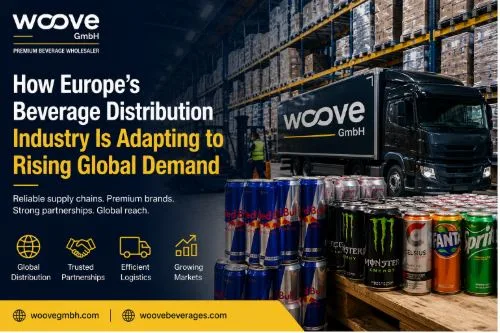
The European beverage sector continues to experience significant growth as consumer demand for fast-moving products expands across retail, wholesale, and hospitality markets. Energy drinks, soft drinks, and ready-to-consume beverages remain among the highest-performing categories within the FMCG industry, creating increasing pressure on distributors to maintain stable inventory levels and efficient supply operations. As international markets become more competitive, businesses are placing greater focus on working with experienced suppliers capable of supporting long-term wholesale distribution and cross-border logistics.
In recent years, many retailers and distributors have faced supply chain disruptions caused by transportation delays, inventory shortages, and inconsistent supplier relationships. These challenges have changed the way companies approach beverage sourcing. Buyers are now prioritizing reliability, communication, and operational consistency alongside competitive pricing. Companies capable of maintaining structured distribution systems and dependable logistics operations are becoming essential partners for businesses operating within Europe’s growing beverage market.
The demand for energy drinks continues to rise across supermarkets, convenience stores, gyms, entertainment venues, and wholesale retail chains throughout Europe and international markets. Consumers are purchasing energy drinks more frequently, while retailers continue expanding shelf space for globally recognized beverage brands. This sustained growth has increased the need for experienced distributors that can maintain stable product flow while supporting businesses with scalable inventory and pallet-based supply solutions.
Modern beverage distribution requires much more than product sourcing alone. Large-scale wholesale operations involve warehousing, pallet management, freight coordination, customs handling, and inventory forecasting across multiple regions. Businesses operating within the FMCG sector require suppliers that can support efficient product movement while ensuring stable delivery timelines and organized logistics coordination. This is why many distributors increasingly rely on an experienced wholesale energy drink supplier capable of supporting commercial-scale beverage operations across Europe and international markets.
European beverage wholesalers are also investing heavily in logistics infrastructure to meet growing market expectations. Regional warehousing systems, transportation partnerships, and cross-border freight coordination have become critical parts of modern FMCG operations. Buyers expect faster delivery schedules, transparent communication, and dependable shipment handling throughout the order process. Suppliers capable of maintaining these operational standards are building stronger long-term relationships with wholesalers, retailers, and distribution companies across multiple countries.
International trade regulations have also made supplier experience increasingly important within the beverage industry. Cross-border beverage distribution often involves compliance with packaging requirements, labeling regulations, customs procedures, and import documentation standards. Experienced suppliers simplify these processes by coordinating export logistics, shipment planning, and commercial documentation through structured operational systems designed specifically for international wholesale trade environments.
Companies such as Woove GmbH continue supporting distributors, wholesalers, and retail businesses through organized beverage supply solutions across Europe and global markets. Operating from Germany, the company focuses on pallet-based beverage distribution, international logistics coordination, and wholesale supply operations for commercial buyers seeking long-term distribution partnerships. At the same time, platforms such as Woove Beverages help showcase beverage product availability, wholesale supply capabilities, and international market coverage for businesses looking to expand their sourcing networks within the FMCG sector.
As the European beverage market continues evolving, supply chain reliability and structured wholesale operations will remain central to long-term industry growth. Retailers and distributors are increasingly focused on building relationships with suppliers capable of maintaining operational stability, scalable inventory management, and efficient logistics coordination. Businesses that continue investing in reliable distribution systems and strong commercial partnerships will remain positioned to support the growing international demand for beverages across both retail and wholesale markets.