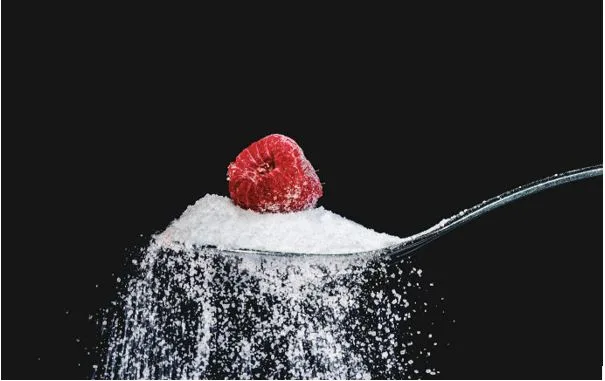
How Excess Sugar Leads to Insulin Resistance
Sugar consumption beyond the limits is one of the major factors leading to insulin resistance, and consequently, it is considered the major reason behind the increased cases of type 2 diabetes. It is very helpful in this health issue prevention and treatment process to grasp the connection between sugar and insulin function. This article sheds light on the physiological impact of excessive sugar consumption and provides the valuable information about the natural dietary strategies, including a trendy combination of Guava and Spirulina recipe Diabetes that can be a great help for people with diabetes.
The Biology of Insulin Resistance and Sugar
An unbalanced diet full of sugar, mainly refined sugars and fruits, to such an extent that blood glucose level is very high; the pancreas reacts by producing insulin, which is a hormone, the function of which is to help the cells absorb glucose from the blood and use it as a source of energy. Eventually, the long term use of sugar in large quantities will result in the cells being less responsive to insulin, i.e., the development of insulin resistance. This reduction in cellular sensitivity interferes with the cells’ normal use of glucose and has the potential to cause higher blood glucose levels and can even lead to diabetes. In addition, the over consumption of sugar causes the body to produce not only the inflammatory agents but also the free radicals in higher amounts, which makes it harder for insulin to take effect and might lead to the development of metabolic disorders.
Diet and Lifestyle Factors Driving Insulin Resistance
The regular intake of sugary drinks, refined foods, and sweets leads to an unceasingly high level of blood glucose and insulin in the body. This condition is not only a burden on the pancreas’ beta cells but also, through fatty deposits mainly in the belly, aids the emergence of insulin resistance. Sugar rich diets low in protein and fiber are very common but they hardly supply the required nutrients to activate a healthy metabolism and insulin sensitivity. Lifestyle changes such as switching to eating a well balanced diet composed of natural and fiber rich foods are needed not only to reverse but also to prevent insulin resistance.
Integrating Guava and Spirulina for Diabetes Management
The management of diabetes can be facilitated by the addition of superfoods that are packed with nutrients and antioxidants such as guava and spirulina. Guava contains a lot of dietary fiber and vitamin C, while spirulina is recognized for its anti inflammatory and antioxidant attributes which might in the long run make the body more responsive to insulin. A dish that mixes guavas and spirulina could be viewed as a tasty and nutritious food choice for people with diabetes and would not only assist them in adhering to their diet but would also supply the body with natural defense against the metabolic effects caused by sugar overconsumption.
Conclusion
Over sugar consumption is a major factor leading to insulin resistance, it basically causes the body to be incapable of using insulin efficiently, and also inflammation and cell damage comes as a result of this process. Avoiding insulin resistance involves lessening the sugar intake and switching to a wholesome diet that helps in keeping blood glucose levels stable. Use of guava and spirulina in recipes is a perfect, natural and efficient way to relieve diabetes condition and simultaneously improve overall metabolic health.