How Flexible Office Solutions Are Reshaping the Swiss Commercial Property Market
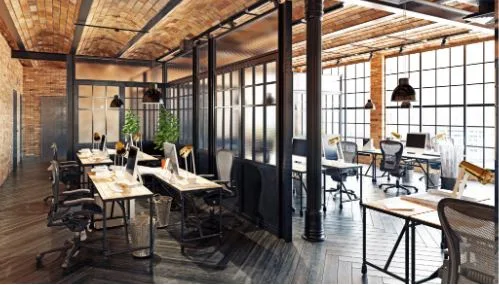
The Swiss commercial real estate landscape is experiencing a massive transformation today. For growing businesses, there are other options to the traditional long term lease. Dynamic spaces that evolve to meet the demands of businesses of any size are in demand. This is a change that is completely transforming the relationship amongst landlords and tenants throughout the nation. It’s more important than ever to be aware of these trends when seeking the ideal workspace for your professional team.
Embracing the Hybrid Work Environment
Hybrid working has upended companies’ physical presence. The staff members are working from home and at the corporate building. This means that businesses need smaller and much more versatility spaces. The location is one of the most important elements in keeping teams collaborating and the company culture positive. For example when companies search for offices for rent in Geneva they often prioritize spaces that offer shared meeting rooms and flexible seating arrangements. This method will enable the company to expand their business in a steady way without having to commit to a large building with a lot of empty spaces consuming unnecessary amounts of money.
Reducing Expensive Operational Costs
Typically, a traditional commercial lease requires significant capital investments and hidden costs. In addition to the monthly furniture rental, companies are required to cover the utilities and usual upkeep for the furniture. Flexible workspace solutions eliminate these frustrating financial burdens entirely. These contemporary spaces are equipped and wired from the ground up, with high-speed internet included. With a full package business owners can easily estimate their monthly costs, and instead of spending their precious capital on repairing broken printers or paying several utility bills each month, they can invest more in product development and marketing.
Fostering Innovation and Collaboration
When working alone, it means not being inspired by others and not gaining from other professionals’ experience. Flexible spaces allow different companies and freelance professionals to unite in the same space. This common environment provides enormous possibilities for organic networking and unanticipated partnerships. A small tech company could share a kitchen with a law firm that could provide cross-referrals.A small tech business may share a kitchen with a law firm that can make business referrals. These spaces are energetic, encouraging workers and enhancing productivity throughout the day. A stimulating work environment also aids in attracting and keeping the best in class talent in the industry who expect more than just a desk.
Meeting Sustainable Corporate Goals
Environmental responsibility is one of the most important priorities for companies in today’s Switzerland. When offices are being constructed, huge amounts of raw materials are being used and carbon emissions are being generated. Flexible real estate solutions foster sustainability by making the best use of existing real estate. Collaborating on resources such as equipment, heating and cooling, etc. decreases the ecological impact of each of the participating companies. Smart energy systems are also being introduced in these buildings to make them more appealing to eco-friendly renters by landlords. By working together, the commercial industry can take a step towards a much greener and sustainable future.
Conclusion
Flexibility is officially redefining the typical commercial property market across Switzerland. These modern workspaces provide an amazing range of financial flexibility and create real-world professional collaboration, making them ideal for expanding companies. Long term contracts or excessive overhead for operations are no longer a bind on companies. This new real estate strategy will enable companies to stay flexible and extremely competitive in an increasingly dynamic economy. Choosing a versatile workspace guarantees lasting success.