How FloodClip Supports Rapid Flood Protection for Communities and Businesses
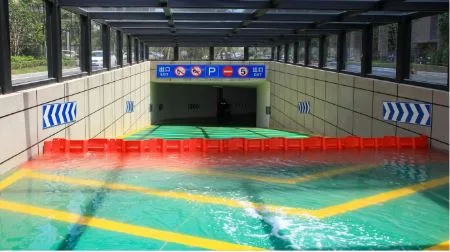
Sudden flooding often creates a timing problem before it becomes a property problem. When water starts moving toward a house, driveway, loading bay, or paved access point, the barrier that can be reached and installed quickly is usually the one that gets used.
FloodClip offers portable temporary flood barriers for areas that need faster flood response on hard surfaces. The system is freestanding, lightweight, modular, and self-anchoring, with sections that slot together without special tools.
For communities and businesses, that combination gives flood preparation a more practical starting point. Instead of relying only on heavy, labor-intensive measures during a warning, property owners can plan ahead with barriers that can be stored, carried, positioned, and connected when floodwater threatens vulnerable areas.
Why Speed Counts During Sudden Flooding
Flood preparation becomes harder when the equipment takes too long to move, assemble, or position. A barrier may be useful in theory, but during a sudden weather event, the setup process has to match the time available.
FloodClip is built around rapid deployment. One person can install 10m within a couple of minutes, which makes it relevant for homes, shops, warehouses, public buildings, and other sites where fast action can make flood preparation more manageable.
That speed works best when the layout has already been planned. Property owners should know where the barriers will be stored, which areas need attention first, and whether the surface is suitable before a flood warning arrives.
How Portable Barriers Help Secure Properties
Floodwater often reaches buildings through specific access points rather than an entire property edge. Driveways, garage openings, basement entrances, shopfronts, loading bays, and paved walkways can all become vulnerable when water moves across hard ground.
FloodClip is made for hard surfaces such as tarmac, concrete, and paving. This makes it a practical option for residential driveways, commercial entrances, service areas, and other paved locations where a temporary barrier may help divert water away from exposed openings.
The system should still be matched to the property. Buyers need to check the surface condition, slope, expected water direction, barrier length, and whether straight, corner, or gable end sections are needed for the layout.
What Makes FloodClip a Rapid-Response System?
FloodClip’s self-anchoring design uses the pressure and weight of floodwater to help hold the barrier in place. The system does not need external ground anchors or special tools, which helps reduce setup time during a flood response.
The modular format also gives buyers more layout flexibility. Straight sections can be used across entrances or paved access points, while internal corner, external corner, and gable end products can help form a more complete barrier arrangement where the site requires it.
FloodClip is available in 50cm and 75cm mobile flood barrier height options. The 50cm and 75cm products differ in height, depth, weight, and effective width, so buyers should compare the specifications before choosing a setup.
Practical Considerations Before Ordering FloodClip
The first question is not simply how much protection a property needs. It is where the water is most likely to approach and whether FloodClip fits the surface and access points involved.
For a home, that may mean checking the driveway entrance or access. For a business, it may mean reviewing the car park, loading bay, warehouse entrance, delivery access, or paved service area.
Buyers should also consider handling and storage. FloodClip barriers are lightweight compared with permanent flood systems, but the 50cm and 75cm options have different weights and dimensions. Choosing the right product should account for who will deploy the barriers, where they will be stored, and how quickly they need to be reached.
The Role of Planning in Emergency Use
A rapid-response flood barrier still needs a plan behind it. The best time to measure openings, check surface suitability, compare product sizes, and review installation steps is before a flood warning, not while water is already moving toward the property.
FloodClip provides a length calculator on its product pages to help buyers estimate the number of sections required. This is especially useful for properties with multiple entrances, wider openings, or layouts that may need corner pieces rather than a simple straight line.
Planning also helps avoid mismatched expectations. FloodClip can support temporary flood defense on suitable hard surfaces, but it should not be treated as a universal answer for every site, surface, or flood condition.
How Portable Flood Barriers Are Evolving
Portable flood protection is moving toward systems that are easier to deploy, easier to store, and more adaptable to real property layouts. Permanent flood defenses still have their place, but many homes and businesses need temporary equipment that can be used when a warning arrives.
FloodClip reflects that shift through its modular construction, self-anchoring setup, and no-special-tools installation. These features support a more practical kind of flood preparation, especially for properties where a fixed barrier is not the right fit.
The future of rapid-response flood protection will likely continue to focus on speed, storage, handling, and layout flexibility. For buyers, those are not abstract technology points. They affect whether a barrier can actually be used when time is limited.
Frequently Asked Questions About FloodClip Portable Flood Barriers
What is FloodClip?
FloodClip is a freestanding, lightweight, portable temporary flood barrier. It is designed for hard surfaces such as tarmac, concrete, and paving, making it useful for entrances, driveways, loading areas, and other paved access points that may be exposed to floodwater.
How does FloodClip work?
FloodClip uses a self-anchoring design that helps the barrier hold its position as floodwater presses against it. The sections slot together to form a temporary barrier that can help divert and control water flow away from vulnerable openings.
How quickly can FloodClip be installed?
FloodClip is built for rapid deployment, and its official product data states that one person can install 10m within a couple of minutes. Buyers should still pre-plan the layout, check the surface, and keep the barrier sections accessible before a flood warning.
What surfaces is FloodClip designed for?
FloodClip is designed for hard, even surfaces such as tarmac, concrete, and paving. Buyers should check the condition, slope, and layout of the surface before ordering, especially if the area includes cracks, uneven sections, gravel, grass, or soft ground.
What FloodClip size should buyers choose?
FloodClip is available in 50cm and 75cm mobile flood barrier options. The better fit depends on the site layout, expected water exposure, handling needs, and the length of barrier required, so buyers should compare the specifications or contact FloodClip for guidance before ordering.
Can FloodClip be reused?
FloodClip is designed for temporary deployment and storage after use. After a flood event, the barriers can be hosed down, stacked, and stored, provided they remain in suitable condition for future use.
A Practical Next Step for Flood Preparation
FloodClip gives homeowners, businesses, and site teams a portable flood barrier option for hard-surface areas that need faster temporary protection. Review the 50cm and 75cm product specifications, then contact FloodClip or request a quote to plan the sections needed for your property.