How Food Industry Trade Shows Are Shaping Global Business: Inside Guangzhou Food Expo
Introduction
The food and beverage sector is one of the world’s most dynamic industries, constantly changing as consumer preferences, technologies, and international markets evolve. From innovative ingredients and sustainable packaging to ready-to-eat products and advanced food-processing solutions, businesses have countless opportunities to expand their presence and reach new customers.
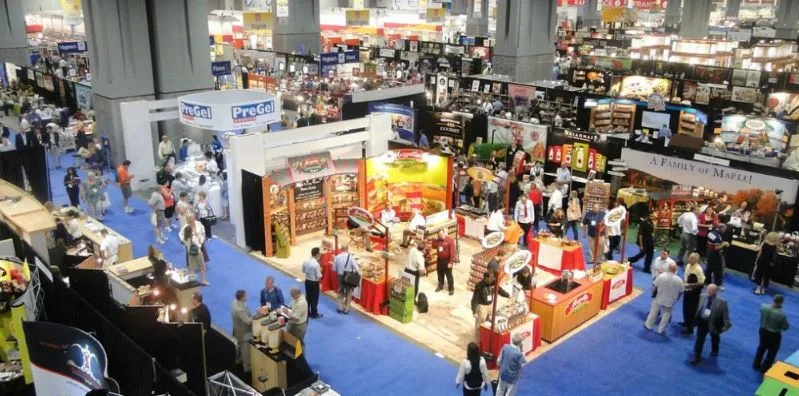
In this competitive environment, food industry trade shows have become valuable platforms for manufacturers, distributors, importers, exporters, retailers, and industry professionals. These events bring businesses together in one place, making it easier to discover new products, establish partnerships, understand market trends, and explore opportunities beyond domestic markets.
Among the many international events attracting attention from food businesses, the guangzhou food expo represents an important opportunity for companies interested in China’s large and diverse food market. Events in Guangzhou can provide businesses with access to suppliers, manufacturers, buyers, distributors, and professionals from different parts of the world.
Why Food Industry Trade Shows Matter
Trade shows provide something that online platforms cannot completely replace: direct interaction. Businesses can meet potential partners face-to-face, examine products physically, discuss requirements, and develop professional relationships.
For food companies, this direct experience can be especially important. Taste, texture, packaging, presentation, and product quality are often easier to evaluate in person than through photographs or digital catalogs.
Food industry trade shows also allow companies to observe competitors and understand how the market is developing. Exhibitors often introduce new concepts, flavors, packaging formats, ingredients, and technologies, giving visitors a broader view of current industry developments.
A Gateway to New Products
One of the biggest advantages of attending an international food exhibition is product discovery. Visitors can explore categories ranging from packaged foods and beverages to ingredients, confectionery, frozen products, organic foods, food technology, and packaging solutions.
For retailers and distributors, this can help them identify products that may fit their local markets. Manufacturers can also discover ingredients or technologies that could improve their existing product lines.
Instead of spending months contacting individual suppliers, buyers can meet multiple businesses during a single event. This can make the sourcing process more efficient and provide opportunities for comparison.
Exploring the Guangzhou Market
Guangzhou has long been recognized as an important commercial center in China, making it a natural location for major business exhibitions. Its strong manufacturing network, transportation infrastructure, and international connections make the city attractive to companies involved in global trade.
The guangzhou food expo can serve as a meeting point for businesses interested in food products, ingredients, manufacturing capabilities, and international cooperation. International visitors can use such an event to learn more about China’s food industry while local businesses can connect with potential overseas customers.
For companies looking to enter Asian markets, participating in an exhibition in Guangzhou can be a useful part of their broader market-development strategy.
Building Strong Business Connections
Successful business relationships rarely begin with a simple online message. Personal communication can create trust and make it easier for companies to understand each other’s goals.
Trade exhibitions encourage this type of communication. Buyers can speak directly with sales representatives, ask detailed questions, discuss pricing structures, and explore potential cooperation.
For exhibitors, these conversations can reveal what international buyers are looking for. They may discover demand for specific product formats, package sizes, ingredients, certifications, or pricing levels.
Over time, a conversation that begins at an exhibition can develop into a distribution agreement, sourcing relationship, manufacturing partnership, or long-term business connection.
Understanding Consumer Trends
Consumer preferences are changing rapidly. Today’s customers are increasingly interested in convenience, healthier choices, sustainability, premium products, and unique food experiences.
Food industry trade shows allow businesses to observe how companies are responding to these trends. Exhibitors may showcase plant-based products, functional beverages, low-sugar alternatives, environmentally friendly packaging, convenient meal solutions, and innovative ingredients.
Seeing these developments in person can help businesses identify opportunities before they become mainstream in their target markets.
Benefits for International Buyers
International buyers can gain significant value from attending food exhibitions. Instead of relying only on supplier directories, they can evaluate companies directly.
A buyer can compare several suppliers offering similar products and consider factors such as product quality, production capacity, packaging, minimum order quantities, pricing, and export experience.
This makes exhibitions useful for both established importers and businesses entering international sourcing for the first time.
The guangzhou food expo can be particularly interesting for buyers searching for connections within China’s extensive manufacturing and food-supply ecosystem. Meeting suppliers directly can provide insights that may not be obvious from an online profile.
Opportunities for Food Manufacturers
Manufacturers can benefit from exhibitions just as much as buyers. An exhibition gives them a physical platform for presenting products to a large professional audience.
Instead of approaching every potential customer individually, manufacturers can showcase their products to multiple buyers during the same event. Product demonstrations, samples, packaging displays, and face-to-face discussions can make a strong impression.
Exhibitions can also help manufacturers understand what competitors are doing. By walking through different exhibition areas, companies can identify new technologies, packaging concepts, product categories, and marketing approaches.
Discovering Food Technology and Innovation
Modern food exhibitions are not limited to finished products. Technology has become an important part of the food industry, covering processing equipment, packaging machinery, quality-control systems, storage solutions, and production technologies.
Businesses attending food industry trade shows can discover solutions designed to increase efficiency, reduce waste, improve product consistency, and support large-scale production.
For manufacturers, investing in the right technology can improve productivity and help them compete in international markets. Exhibitions provide an opportunity to see equipment demonstrations and speak directly with technology providers.
The Role of Sustainable Food Business
Sustainability has become another major discussion within the global food sector. Businesses are exploring ways to reduce food waste, improve packaging, use resources efficiently, and develop more environmentally responsible products.
Trade shows provide an environment where these ideas can be presented and discussed. Companies may introduce recyclable packaging, alternative materials, sustainable ingredients, or production methods designed to reduce environmental impact.
For businesses seeking long-term growth, understanding sustainability trends is increasingly important because consumers, retailers, and business partners are paying greater attention to environmental practices.
Preparing for a Successful Exhibition
Simply attending an exhibition does not guarantee business success. Preparation is essential.
Before attending, companies should define clear objectives. These might include finding suppliers, meeting distributors, launching products, studying competitors, or entering a new market.
It is also useful to research exhibitors in advance and create a list of priority companies. Preparing questions about pricing, production capacity, certifications, logistics, and cooperation terms can make meetings more productive.
Businesses should also prepare professional company materials, product information, and contact details so that potential partners can easily understand what they offer.
Turning Meetings Into Long-Term Opportunities
The real value of a trade show often comes after the event. Collecting hundreds of business cards is not enough if there is no follow-up strategy.
Companies should organize contacts according to their potential value and communicate with promising prospects soon after the exhibition. Personalized follow-up messages can remind contacts about the conversation and create a clear next step.
For example, a buyer might request product samples, while an importer may ask for a detailed quotation. Following up quickly can help maintain momentum and turn an initial meeting into a commercial opportunity.
Why Guangzhou Can Be Strategic for Global Businesses
Guangzhou’s position within China’s commercial ecosystem makes it an attractive destination for international business events. Companies visiting the city can potentially connect with a broad network of manufacturers, suppliers, logistics providers, and trading professionals.
The guangzhou food expo can therefore be viewed not simply as an exhibition but as a potential gateway to broader business opportunities. For international companies, it can provide a starting point for understanding regional supply chains and identifying partners.
However, businesses should always conduct appropriate due diligence before entering agreements, including verifying suppliers, reviewing product documentation, checking certifications, and understanding import requirements in their target country.
Conclusion
The global food industry continues to evolve, creating new opportunities for companies willing to explore international markets. Food industry trade shows provide an effective environment for discovering products, meeting suppliers, understanding trends, exploring technology, and building valuable professional relationships.
At the same time, events such as the guangzhou food expo can give international businesses an opportunity to connect with China’s extensive food and manufacturing ecosystem. Whether a company is looking for new suppliers, potential buyers, innovative products, or market insights, attending the right exhibition can support its broader growth strategy.
Ultimately, the greatest benefit of a trade show comes from preparation, meaningful conversations, careful evaluation, and consistent follow-up. When businesses approach exhibitions with clear goals and an open mind, a single event can become the beginning of partnerships that support long-term growth in the global food market.