
How Free Image to Image AI Is Opening New Creative Opportunities for Independent Fashion Brands
Starting a fashion label has never been only about making clothes. A small brand also has to look like a brand: photographed, styled, presented, and promoted in a way that makes a stranger stop scrolling. Large houses solve this with studios, models, stylists, and retouchers. Independent designers usually solve it with a phone, a spare corner of the workroom, and a lot of late nights.
That imbalance is slowly shifting. Free Image to Image AI lets a designer start from an image they already have, such as a sketch, a flat lay, or a simple product photo, and transform it into something new based on a written description. For independent brands, this opens creative paths that used to require budgets they did not have. This article follows the life of a collection, from first idea to customer, to show where these tools can help and where human judgment still matters most.
From Sketch to Direction
Every collection begins as a rough idea. A designer might have a notebook full of pencil drawings, a mood in mind, and a few fabric swatches, but no clear sense of how it will all look together.
Image to image tools can help at this exploratory stage. A designer can take a simple sketch and test how it might appear in different color stories, with different textures, or in a different overall style. The point is not to produce a final product image. It is to compare directions quickly, so that decisions about palette and mood come from seeing options rather than imagining them.
This matters because early mistakes are expensive. Choosing a color story after seeing several rough versions is far cheaper than discovering it does not work after fabric has been ordered. Used this way, AI acts as a fast sketchbook that helps a small brand think visually before committing money.
Mood Boards and Brand Identity
A fashion brand is more than its garments. It is a feeling: relaxed or sharp, romantic or minimal, playful or serious. Independent labels often struggle to express that feeling consistently because they lack a creative team to maintain it.
Image to image editing can help build mood boards and visual references that share a common tone. A designer can adjust a handful of photographs, textures, and inspiration images so that they sit together in one palette and atmosphere. That cohesive look then becomes a guide for packaging, social media, lookbooks, and the website.
Over time, consistency builds recognition. Customers begin to associate a particular color treatment or lighting style with the brand, even before they read the name.
Product Pages That Do Their Job
Online shoppers cannot touch fabric or try something on, so photos carry the entire burden of persuasion. A product page with dim lighting, a cluttered background, or inconsistent images signals low quality, even if the garment itself is excellent.
Many independent designers photograph their own pieces, and the common problems are predictable: uneven lighting, wrinkles, distracting surroundings, and color that does not match the real item. Editing tools can help with clean backgrounds, balanced lighting, and a uniform look across a whole collection, so a shop page appears organized and trustworthy.
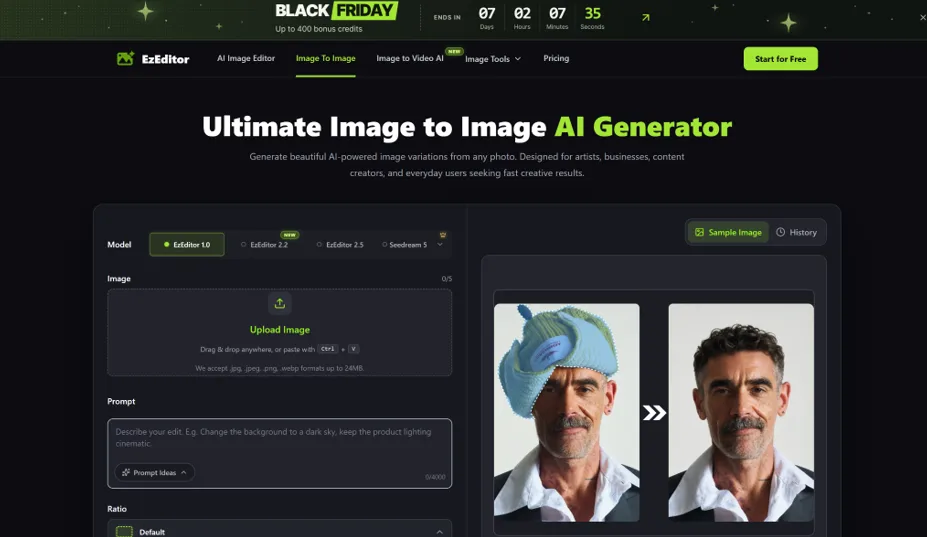
Colors deserve special care. The most common cause of fashion returns is a garment that looks different from its photo. Whatever edits are made, the final image should match the real color and texture as closely as possible. Platforms such as Ezeditor AI provide online editing options that let a designer work in the browser, which suits brands that edit between sewing sessions and customer orders.
Showing Garments in Context
A flat photo of a jacket tells a customer what it looks like. A lifestyle image tells them how it might feel to wear it. Small brands rarely have the budget for location shoots, but they can still create a sense of setting.
By transforming backgrounds and atmosphere, a designer can present the same garment in several visual contexts, such as a calm city street, a sunny outdoor scene, or a simple studio look. This helps different audiences imagine the piece in their own lives and gives social media feeds more variety without repeated photo shoots.
Honesty again sets the limit. If an image shows a model or a scene that was digitally altered or generated, the brand should be careful not to imply that a real photo shoot took place when it did not, and the garment itself must still be depicted accurately.
Social Media and Campaign Content
Independent fashion brands live and die by attention on social platforms. They need fresh content constantly, in different shapes: square posts, vertical stories, short promotional graphics, and email banners.
Image to image tools help stretch a limited set of photographs into a larger body of content. One strong product photo can become several variations with different color treatments, backgrounds, and moods, each suited to a particular post or campaign theme. Seasonal changes, a limited release, or a collaboration announcement can be prepared far more quickly than if every image required a new shoot.
This does not remove the need for original photography. Strong source images remain the foundation, and the best campaigns still include real, personal content such as behind the scenes moments, workshop pictures, and customer photos that show the human side of the brand.
Experimenting Without Waste
Fashion is a business of waste concerns as well as creative ones. Producing samples, test prints, and small batches costs money and materials. Independent designers who care about sustainability are especially aware of this.
Visual experimentation on screen can reduce some of that waste. Testing print placements, color blocking, and styling ideas digitally before cutting fabric helps designers narrow down choices. This will not replace physical sampling, because fabric drape, stitching, and fit can only be judged in real life, but it can cut down the number of unnecessary samples.
Practical Habits for Independent Designers
A simple set of habits keeps the process useful and controlled.
Start from your own work. Sketches, photographs, and fabric swatches you created give results that are distinctly yours and avoid the sameness that comes from generic prompts.
Write specific descriptions. Mentioning color, lighting, setting, and mood gives clearer results than short, vague requests.
Compare several versions. Generate more than one option and choose the one that best matches the brand rather than accepting the first output.
Check the details closely. Seams, patterns, buttons, hands, and text on labels can sometimes come out distorted. A close review before publishing prevents embarrassing errors.
Keep originals organized. Save unedited photos and sketches so you can rework or correct images later.
Set brand rules. Decide in advance how much editing is acceptable, which colors define the brand, and what should never be altered, such as garment shape and true color.
Responsible Use in Fashion
Fashion has a long history of unrealistic imagery, and AI makes it easier to repeat that mistake at scale. Independent brands have an opportunity to do better.
Avoid reshaping bodies in ways that create unrealistic standards, and be thoughtful about representing different body types, ages, and backgrounds. Respect other designers by not copying their signature prints or silhouettes. Never use a real person’s face or likeness without permission, and be mindful of privacy when uploading photographs of models or customers to any online service.
Be transparent where it matters. Customers appreciate honesty about how images were made, and clear communication builds the kind of trust that small brands depend on.
The Limits of the Tool
An image tool cannot sew a garment, test a fit, choose a fabric, or understand your customer. Results can be inconsistent, small details can drift, and an over processed image can look artificial and weaken the premium feel a brand is aiming for.
It also cannot replace taste. Knowing which version feels right for the brand is a human skill, built through experience and honest feedback. The tool speeds up exploration, but the creative direction must still come from the designer.
A Wider Door for Small Labels
Independent fashion has always been driven by people with strong ideas and limited resources. Free Image to Image AI does not change that reality, but it does reduce one of the heaviest burdens: the cost of producing good visuals. A designer can now explore concepts, polish product images, and build a consistent look without a full creative department.
The brands that benefit most will be the ones that treat these tools as support for a clear vision, not a substitute for one. When original ideas, honest presentation, and careful craftsmanship come first, technology becomes a useful partner, helping small labels share their work with a wider audience and compete on creativity rather than budget.