How Futures Trading Fits Into Modern Financial Strategies
Introduction
Modern financial planning increasingly emphasizes flexibility, access, and informed decision making. As global markets become more interconnected, individuals seek tools that allow participation across asset classes without unnecessary barriers. Futures trading has become a prominent option within this landscape, offering structured exposure to commodities, currencies, and financial indices. Once viewed as a niche activity reserved for institutional participants, it now attracts individuals looking to balance opportunity with strategic planning. The appeal lies not only in potential returns, but also in the ability to manage risk through defined contracts and transparent pricing.
In today’s environment, investors are encouraged to think beyond traditional portfolios built solely on stocks and bonds. Economic shifts, inflationary pressures, and global events have increased interest in instruments that can respond to a wide range of market conditions. Futures contracts provide this flexibility by allowing participants to express market views efficiently while maintaining control over capital allocation. This adaptability supports both short term positioning and longer term portfolio planning.
Education and access play a significant role in how futures are approached. Modern trading platforms, real time data, and improved learning resources have helped demystify the process. As more individuals explore ways to participate responsibly, futures trading continues to evolve as a practical component of a well rounded financial strategy. Understanding its role sets the foundation for informed decision making and disciplined participation. This broader perspective encourages patience, awareness, and long term thinking when navigating dynamic markets shaped by innovation and global economic change across evolving financial environments worldwide.
The Fundamentals of Futures Trading Explained
Futures trading centers on agreements to buy or sell an underlying asset at a predetermined price on a specified future date. These contracts cover a wide range of markets, including commodities, energy products, financial indices, and currencies. Rather than exchanging ownership immediately, participants commit to terms that will be settled later, allowing them to plan around expected market movements. This structure creates opportunities for both hedging and speculation, depending on individual objectives.
At its core, a futures contract standardizes quantity, quality, and delivery terms. This standardization supports transparency and liquidity, enabling participants to enter and exit positions with greater efficiency. Because contracts are traded on regulated exchanges, pricing reflects collective market expectations rather than isolated negotiations. This open environment helps participants assess value more clearly and make informed decisions.
Another defining aspect of futures trading is the use of margin. Instead of paying the full contract value upfront, traders post a fraction of the total amount as collateral. This mechanism allows greater market exposure while requiring careful risk management. Gains and losses are calculated daily, reinforcing the importance of monitoring positions consistently.
Understanding how futures function provides clarity around their role within broader financial strategies. Rather than being speculative tools alone, they serve as instruments for managing exposure, balancing portfolios, and responding to market developments. With a solid grasp of these fundamentals, participants can approach futures trading with purpose and discipline. This foundation encourages confidence, informed participation, and thoughtful decision making across changing economic conditions for individuals navigating global markets.
Why Traders Choose Futures Over Traditional Assets
Many investors are drawn to futures markets because of the unique advantages they offer compared to traditional asset classes. Unlike long-only investments, futures allow participants to benefit from both rising and falling prices. This flexibility supports a broader range of strategies and can enhance portfolio balance when used thoughtfully. The ability to respond to diverse market conditions often appeals to individuals seeking more control over their financial outcomes.
Futures Trading also stands out due to its capital efficiency. Because positions are established through margin rather than full payment, participants can allocate capital across multiple opportunities. This efficiency does not remove risk, but it enables strategic deployment of resources when managed responsibly. For experienced traders, this structure can support diversified exposure without tying up excessive capital.
Another reason futures attract interest is the transparency of pricing and standardized contract terms. Centralized exchanges provide consistent pricing data, which helps reduce uncertainty and supports informed decision making. Participants can evaluate trends, analyze volume, and assess market sentiment using widely available information.
Additionally, futures markets often reflect global economic activity in real time. Commodities, currencies, and index contracts respond quickly to shifts in supply, demand, and policy. This responsiveness allows traders to align positions with broader economic narratives. As a result, futures can serve as both a strategic tool and a learning environment for understanding how global markets operate. This combination of flexibility and transparency continues to attract participants seeking informed and adaptive investment approaches across evolving financial landscapes worldwide today and markets.
Market Access and Liquidity Advantages
One of the defining strengths of futures markets lies in their accessibility and depth of liquidity. These markets operate across major global exchanges, allowing participants to engage with a wide range of asset classes at nearly any time of day. High trading volumes contribute to efficient price discovery, meaning prices reflect current market sentiment with minimal delay. This environment allows traders to enter and exit positions with confidence, knowing that orders are generally executed smoothly.
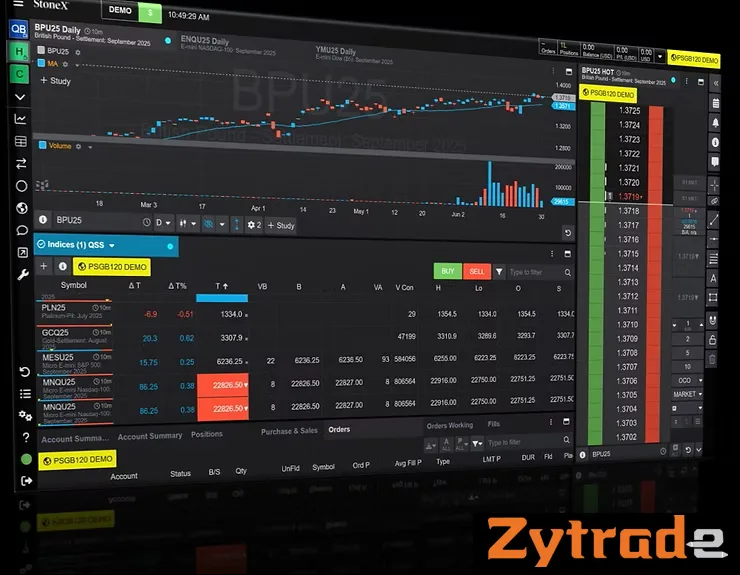
Access to futures markets has expanded significantly with the growth of digital trading platforms. Services such as Zytrade make participation more approachable by offering streamlined access to multiple markets through a single interface. By providing real time pricing, clear contract details, and responsive execution, platforms like this reduce complexity and help traders focus on strategy rather than logistics.
Liquidity also plays a vital role in risk management. When markets are active, bid and ask spreads tend to remain narrow, which can help minimize transaction costs. This feature is particularly valuable for those who trade frequently or rely on timely execution to manage exposure. Liquidity supports flexibility, allowing traders to adjust positions as market conditions evolve without significant disruption.
Beyond convenience, strong market access encourages broader participation and learning. When individuals can observe price movements, analyze volume, and respond in real time, they gain practical insight into market behavior. This accessibility supports informed decision making and promotes confidence, making futures trading a more approachable component of a diversified financial strategy.
Understanding Leverage and Margin Requirements
Leverage is one of the most distinctive aspects of futures trading, offering both opportunity and responsibility. By requiring only a portion of the contract’s full value as margin, futures markets allow participants to control larger positions with comparatively smaller capital commitments. This structure can amplify gains, but it also increases potential losses, making risk awareness essential.
Margin requirements are set by exchanges and brokers to ensure market stability. Initial margin represents the amount needed to open a position, while maintenance margin reflects the minimum balance required to keep it open. If account equity falls below this level, a margin call may occur, prompting the trader to add funds or reduce exposure. Understanding these mechanics helps participants manage risk proactively rather than reactively.
Effective use of leverage involves careful planning and realistic expectations. Traders often define position sizes based on overall portfolio goals rather than pursuing maximum exposure. This approach supports longevity and reduces emotional decision making during periods of volatility.
Education plays a central role in navigating leverage responsibly. By understanding how margin works and how market movements impact account balances, traders can align their strategies with their risk tolerance. When approached with discipline, leverage becomes a tool for strategic participation rather than a source of unnecessary risk.
Risk Management Techniques in Futures Markets
Risk management stands at the core of sustainable futures trading. Without a clear plan to manage downside exposure, even well researched strategies can falter. Effective risk management begins with understanding market behavior and establishing clear parameters for each trade. This includes defining acceptable loss levels before entering a position.
One commonly used approach involves setting stop loss orders. These predefined exit points help limit potential losses if the market moves unfavorably. By automating exits, traders reduce emotional decision making and maintain consistency in their approach. Position sizing also plays a critical role, ensuring that no single trade has the potential to significantly impact overall capital.
Diversification is another valuable risk management tool. Engaging with different asset classes or contract types can help balance exposure, as various markets often respond differently to economic events. This spread of risk supports more stable performance over time.
Equally important is ongoing evaluation. Markets evolve, and strategies must adapt accordingly. Reviewing performance, assessing outcomes, and adjusting parameters help maintain alignment with financial goals. Through thoughtful risk management, futures trading becomes a disciplined practice focused on sustainability rather than short term speculation.
Short-Term vs Long-Term Futures Strategies
Futures markets accommodate a wide range of trading styles, from short term tactics to long term positioning. Short term strategies often focus on capturing price movements over hours or days. These approaches rely heavily on technical analysis, market momentum, and timely execution. Traders using short term methods typically monitor markets closely and respond quickly to changes.
Long term futures strategies, by contrast, emphasize broader trends and macroeconomic factors. Participants may hold positions for weeks or months, basing decisions on supply and demand dynamics, seasonal patterns, or economic indicators. This approach often requires patience and a strong understanding of market fundamentals.
Both styles offer distinct advantages depending on individual goals and temperament. Short term trading can provide frequent opportunities but demands constant attention and discipline. Long term strategies may involve fewer transactions, allowing participants to focus on overarching trends rather than daily fluctuations.
Choosing between these approaches depends on personal preferences, time availability, and risk tolerance. Some traders blend both methods, using short term trades to complement longer term positions. By aligning strategy with lifestyle and objectives, future participants can create a balanced approach that supports consistent engagement and informed decision making across changing market conditions.
Role of Data, Charts, and Market Analysis
Data plays a central role in how futures traders interpret markets and make informed decisions. Price charts, volume indicators, and historical patterns provide valuable context that helps participants understand how markets behave under different conditions. By studying these elements, traders can identify trends, potential turning points, and areas of support or resistance. This analytical foundation supports thoughtful decision making rather than emotional reactions.
Technical analysis remains a widely used approach within futures trading. Charts allow traders to visualize market momentum and assess how prices respond to key levels. Indicators such as moving averages, relative strength measures, and volume metrics help interpret market sentiment. When used correctly, these tools offer insight into possible price direction without relying on speculation.
Fundamental analysis also plays an important role, particularly for longer term strategies. Economic reports, supply and demand data, and geopolitical developments can influence futures prices across commodities, currencies, and financial indices. Staying informed about these factors helps traders align their positions with broader market forces.
Combining data sources enhances decision quality. Rather than relying on a single signal, successful traders often evaluate multiple indicators to confirm their outlook. This balanced approach encourages discipline and reduces impulsive choices. Over time, consistent analysis builds confidence and supports more informed participation in futures markets.
Common Mistakes New Traders Should Avoid
New participants in futures markets often encounter challenges that stem from unrealistic expectations or limited preparation. One common mistake is underestimating the importance of risk management. Entering positions without clear exit plans can expose traders to unnecessary losses. Establishing boundaries before trades are placed helps maintain control during volatile conditions.
Another frequent issue involves overleveraging. While leverage can amplify gains, it can also magnify losses quickly. Beginners may be tempted to take larger positions than their experience supports. A more measured approach allows traders to learn market behavior without placing excessive pressure on their capital.
Emotional decision making also presents a challenge. Fear and excitement can lead to impulsive actions that deviate from a planned strategy. Successful traders focus on consistency rather than chasing short term results. Maintaining discipline helps reduce the impact of emotional swings and supports long term growth.
Finally, neglecting education can limit progress. Markets evolve, and strategies must adapt accordingly. Taking time to review performance, study outcomes, and refine approaches contributes to steady improvement. Avoiding these common pitfalls allows new participants to build confidence and develop sustainable trading habits over time.
How Technology Is Shaping Futures Participation
Advancements in technology have transformed how individuals engage with futures markets. Modern trading platforms provide access to real time data, advanced charting tools, and seamless order execution. These innovations have reduced barriers to entry and improved efficiency for participants at all experience levels.
Mobile access has further expanded participation, allowing traders to monitor positions and respond to market movements from virtually anywhere. This flexibility supports active management and encourages greater engagement with market activity. Technology also enhances transparency by delivering accurate pricing and execution information.
Educational resources integrated into trading platforms contribute to informed decision making. Tutorials, market insights, and analytical tools help users build knowledge and confidence over time. This combination of accessibility and information supports a more inclusive trading environment.
As technology continues to evolve, it shapes how futures markets operate and how individuals interact with them. Automation, data analytics, and improved connectivity are likely to further streamline participation. These advancements support a more efficient and responsive trading experience, aligning with the needs of modern market participants seeking clarity and control.
Building Consistency Through Structured Trading Plans
Consistency is a defining factor in long term trading success. A structured trading plan provides a framework for decision making, helping traders remain focused and disciplined. Such plans outline goals, risk limits, and criteria for entering and exiting positions. By following predefined guidelines, traders reduce the influence of emotion on their actions.
A well designed plan also promotes accountability. Tracking performance against established benchmarks allows traders to evaluate progress and identify areas for improvement. This reflective process encourages continuous learning and refinement of strategies. Over time, consistent application of a plan can lead to more stable results.
Structure does not limit flexibility. Instead, it provides a foundation that supports adaptation as market conditions change. Traders can adjust parameters while maintaining alignment with their broader objectives. This balance between structure and adaptability fosters resilience in fluctuating markets.
Ultimately, consistency builds confidence. When decisions are guided by a clear framework, traders are better equipped to navigate uncertainty. A thoughtful trading plan transforms individual actions into a cohesive strategy that supports long term participation in futures markets.
Final Thoughts
Futures trading continues to play a meaningful role in modern financial strategies by offering flexibility, transparency, and access to diverse markets. When approached with education and discipline, it can support both active engagement and long term planning. Understanding core principles, managing risk, and maintaining consistency form the foundation of responsible participation.
Platforms like Zytrade contribute to this environment by offering streamlined access, reliable tools, and real time insights that support informed decision making. With features designed to serve self directed traders, such platforms help simplify complex processes while maintaining professional standards.
As financial landscapes evolve, the ability to adapt becomes increasingly important. Futures trading provides a framework for engaging with change in a structured way. By focusing on knowledge, preparation, and thoughtful execution, individuals can integrate futures into broader financial strategies that align with personal goals and lifestyles.
Risk Disclosure
Understanding Risks
Trading futures, options on futures, and forex involves substantial risk of loss and is not suitable for all investors. The use of leverage is not suitable for all investors, and losses exceeding your initial deposit are possible. Carefully consider whether trading is suitable for you in light of your circumstances, knowledge, and financial resources. Only risk capital should be used. Opinions, market data, and recommendations are subject to change at any time. The lower the margin used, the higher the leverage, which increases your risk. Past performance is not necessarily indicative of future results.
Virtual Currency Disclaimer
Zytrade is a member of the NFA and is subject to NFA’s regulatory oversight and examinations. However, you should be aware that the NFA does not have regulatory oversight authority over underlying or spot virtual currency products or transactions, or virtual currency exchanges, custodians, or markets.