How Gaming Is Changing in 2026
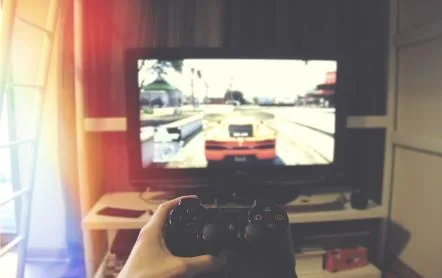
Gaming in 2026 feels different from the industry people knew even a few years ago. It is no longer defined only by consoles, big releases and online multiplayer. Players now expect games to move with them, work across devices, offer regular updates and feel more personal. The result is an industry that is becoming more flexible, more connected and more demanding.
For players, the biggest change is choice. A game might be played on a console in the evening, continued on a handheld device during a commute, then picked up later on a PC. Progress, friends lists, purchases and saved content are expected to follow. That kind of access once felt like a bonus. In 2026, it is becoming part of what players expect as standard.
At the same time, gaming is becoming broader. Some players still want long story driven titles. Others prefer competitive matches, short mobile sessions, social worlds, creative tools, live service games that change every week, or a brand new online casino built around quick access and simple design. There is no single gaming audience anymore. There are many, and the industry is learning to serve them in different ways.
AI is changing how games are made
Artificial intelligence is one of the biggest talking points in gaming this year. For studios, AI can help with testing, animation, dialogue drafts, world building and repetitive production tasks. Used well, it can speed up development and help teams focus more time on design, polish and storytelling.
For players, the real question is whether AI makes games better. A smarter non playable character, a more reactive world or a better difficulty system could improve the experience. But players are also cautious. They do not want games to feel cheaper, emptier or less human. If AI is used only to cut costs, people will notice.
The best use of AI in gaming is likely to be quiet and practical. Better matchmaking, smoother moderation, more useful accessibility options and more natural in game behaviour can all improve play without making the technology the main attraction.
Cloud gaming is becoming more normal
Cloud gaming has been discussed for years, but in 2026 it feels less like a future promise and more like part of the wider gaming mix. It is not replacing consoles or PCs, but it is giving players another way to access games.
The appeal is simple. Not everyone wants to buy expensive hardware or download huge files before playing. Cloud services can make games easier to try, especially for casual players or people who move between devices. For families, students and occasional players, that flexibility matters.
There are still limits. A poor connection can affect performance. Some players still prefer local hardware for speed, control and image quality. Competitive gamers in particular may not want to rely on streaming. Even so, cloud gaming is becoming a useful option rather than a novelty.
Handheld gaming has found a new audience
Portable gaming is also having a strong moment. Handheld gaming PCs, hybrid consoles and mobile friendly services have changed how people think about playing away from a television or desk.
This is not just nostalgia for older handheld consoles. Many players now want serious games in a more convenient form. They may not have time to sit for three hours in one place, but they still want access to full scale titles. A handheld device gives them that option.
The challenge is price and battery life. More powerful handhelds can be expensive, and demanding games can drain power quickly. Still, the direction is clear. Players want more control over where and when they play.
Cross platform play is becoming expected
Cross platform play has moved from a selling point to a basic expectation in many genres. Players do not want to be separated from friends because one person owns a different console or uses a PC.
This matters most in multiplayer games, where communities are built around groups rather than devices. A game that allows friends to play together has a better chance of lasting. A game that locks people into one platform can feel old fashioned.
Cross progression is just as important. Players want their account, unlocks and progress to travel with them. Once a game becomes part of daily life, losing progress between platforms feels frustrating.
Subscriptions are changing how players choose games
Gaming subscriptions have also changed player habits. Instead of buying every title outright, many people now browse libraries and try games they might have ignored before.
This can help smaller studios reach new audiences. A player may take a chance on a short indie game, a strategy title or an older release because there is no extra upfront cost. For discovery, that can be positive.
The concern is value. Players will keep subscriptions only if the libraries feel worthwhile. If prices rise or new releases become less frequent, people may cancel quickly. In 2026, subscription services need to prove they offer more than a large list of games. They need quality, variety and regular reasons to return.
Players are more aware of value
One clear change in 2026 is that players are more careful with money. Games, hardware, subscriptions, battle passes and cosmetic items all compete for attention and budget.
That means trust matters. Players are more likely to question expensive editions, unfinished launches and aggressive monetisation. They want games that respect their time as well as their money.
Studios that communicate clearly, launch in a stable condition and support their games properly are more likely to keep goodwill. Those that overpromise or rely too heavily on paid extras can lose trust fast.
Communities now shape the life of a game
A modern game does not end at launch. In many cases, launch is only the start. Updates, events, creator content, esports, streaming and community feedback can all shape how long a game lasts.
Players want to feel heard, but they also want studios to have a clear vision. Listening to feedback is useful. Chasing every complaint is not. The strongest games usually find a balance between community involvement and confident design.
Creators also play a major role. Streamers, video makers and community organisers can introduce games to huge audiences. A title that is fun to watch, easy to explain and full of memorable moments can grow quickly.
Gaming in 2026 is about flexibility
The main story of gaming in 2026 is flexibility. Players want to choose the device, the payment model, the session length and the style of experience that suits them. Some want deep single player games. Some want competitive play. Some want social spaces. Some want quick access without technical barriers.
That makes the industry more complex, but also more interesting. Gaming is no longer built around one route to the player. It is becoming an ecosystem of consoles, PCs, handhelds, phones, cloud platforms, subscriptions and communities.
For players, that means more freedom. For studios, it means higher expectations. The games that stand out in 2026 will not only look good or launch with a strong marketing campaign. They will need to feel accessible, fair, reliable and worth returning to.
Gaming is changing because players are changing. They have more choice, less patience and a clearer sense of what they value. The companies that understand that will shape the next stage of play.