How global job changes are making flexible education more relevant
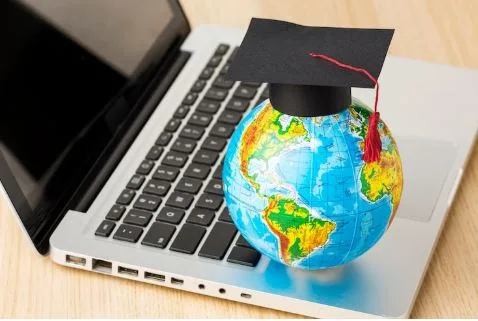
Jobs are changing while people are still doing them. A role that felt steady a few years ago may now involve new software, new rules, or a different way of working with customers and teams.
That is why flexible education has become more useful. Many workers cannot stop their lives to study full-time. They need learning that can sit beside work, family, bills, and the pressure to keep moving.
Skills are changing faster than job titles
A job title can stay the same while the work changes underneath it. A manager may still be called a manager, but now works with dashboards, remote teams, and AI tools. A finance worker may still handle budgets, but also needs stronger data skills. A marketing role may now involve automation, analytics, and content systems.
The World Economic Forum expects a major shift in workplace skills by 2030, with more than a third of workers likely to see their core skills change. That does not mean every worker needs a new career. It means many people will need to refresh what they know while they are still employed.
This is where flexible education becomes practical. It gives workers a way to build new skills without treating learning as a full stop in their career.
The old study path does not fit every worker
The older model of education was easier to describe. A person studied first, worked later, and built experience over time. That path still exists, but it no longer explains how many adults learn.
Many workers now return to study after years in a role. Some do it because their industry has changed. Others do it because they want to move into management, technology, finance, or another area. Some need a formal qualification, while others need stronger confidence and structure.
Online providers such as Walbrook Institute London fit into this wider shift because many learners are not starting from zero. They already have work history, personal duties, and goals that need a flexible study route.
The point is simple. Modern learners need more than access to a course. They need a model that respects the life already around them.
Learning has to fit around real pressure
Workers are being asked to learn new skills at a time when life is already expensive and uncertain. The International Labour Organisation’s 2025 outlook points to slow recovery, youth unemployment, and gender gaps as ongoing labour problems.
That makes the study useful, but also harder to plan. Many people want to learn, but they still need an income. They may also have rent, family costs, debt, or care duties.
Flexible study cannot remove those pressures. But it can make studying easier to fit around them. Evening study, weekend work, or slower pacing can make the difference between putting education off and actually starting.
Work is becoming less tied to one place
Global work has changed because digital tools have changed where work can happen. A team may have staff in several countries. A worker may report to a manager in another time zone. A job may depend on software used by clients, suppliers, and colleagues across borders.
Education has followed this pattern. More learners now look for courses that do not require weekly travel or relocation. This is especially important for people who want a UK-linked education but cannot move to the UK.
That is one reason distance learning master’s degrees have become more relevant. They reflect how many professionals already work: online, across schedules, and around other duties.
Employers need workers who can keep learning
Employers are not only looking for people who know one tool. Tools change too quickly for that. They need people who can pick things up as the work changes. Not everything comes with a clear guide or a calm training period.
This matters most in fields touched by AI, data, automation, green rules, and global trade. The tools may look different from one country or sector to another, but the pressure is the same. People have to keep learning while the job keeps moving.
Online education supports that pattern because it treats learning as part of working life. It does not ask every learner to follow the same route. It allows different speeds, different schedules, and different career stages.
This makes it useful for people already in the labour market. It also makes it useful for employers who need staff to grow with the work.
Career moves are no longer always straight lines
Many people no longer build careers in one clean line. A person may start in customer support and move into operations. Another may begin in finance and move towards data. Someone in education may later work in digital learning or training.
These moves often happen step by step. They are not always dramatic career changes. Often, they begin with a worker noticing that their current skills no longer go far enough.
Flexible education can support these smaller moves. It can help a worker add business knowledge, digital skills, leadership practice, or subject depth while staying close to their current work.
That link between work and study is important. People can test ideas in real situations. They can connect learning to meetings, reports, projects, and decisions they already handle.
A more mobile world needs more open routes
Global job change is not only about technology. It is also about migration, ageing populations, economic pressure, and changing employer needs. Some countries need more skilled workers. Some industries cannot fill roles fast enough. Some workers need new skills to stay secure.
This creates a clear need for learning routes that are not limited to one age, one country, or one timetable. Flexible education helps meet that need because it can reach people who might otherwise be left out.
It is not a perfect answer to every labour market problem. It cannot fix weak job growth or poor wages on its own. But it can give more people a practical way to respond when the work around them changes.
Learning now has to sit beside work
Most people cannot pause life every time work changes. They still have jobs, rent, families, and plans already in motion. That is why flexible education has become more important.
It gives workers a way to build new skills without stepping away from everything else. It also helps employers grow skills inside the workforce, instead of waiting for perfect candidates to appear.
Work will keep changing. The people who cope best will not be the ones who studied once and stopped. They will be the ones who can keep learning while life carries on.