How Hair Color Filters Are Changing Digital Self-Expression
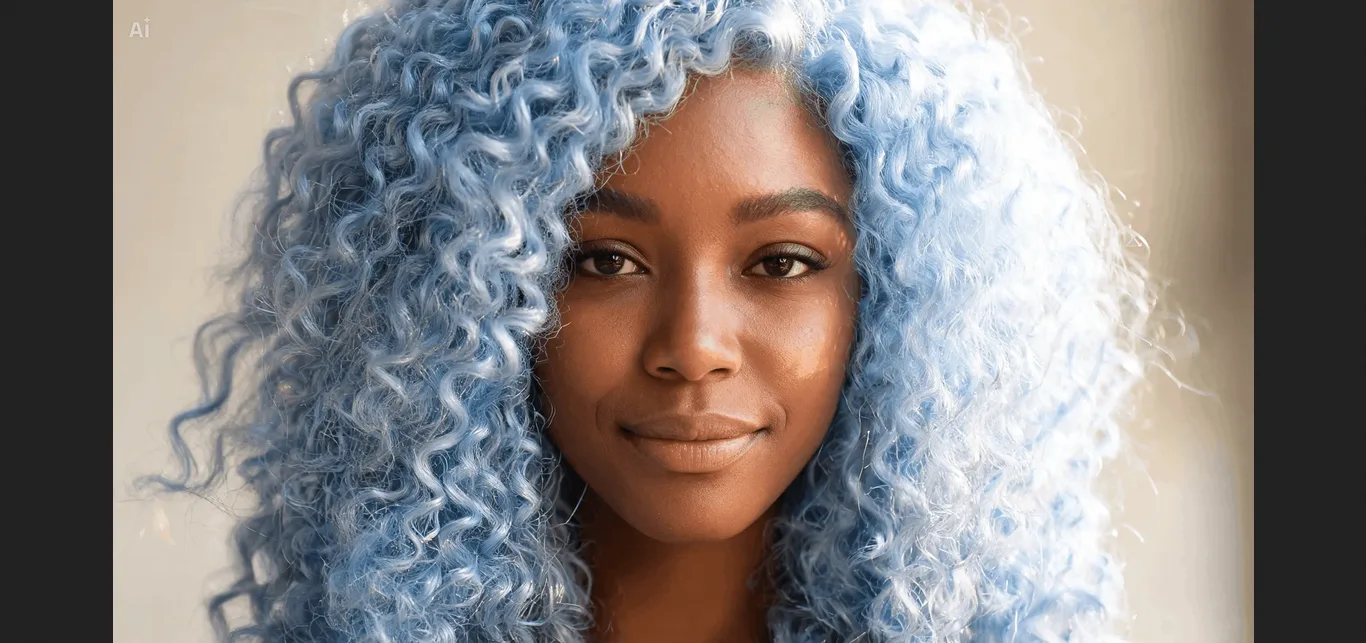
Digital tools have made it easier than ever to experiment with personal style without making permanent changes. From virtual makeup and hairstyle previews to photo editing applications, modern technology allows people to explore different looks directly from their phones or computers. Hair color filters are a popular example of this trend, giving users the opportunity to see how different shades might look before visiting a salon or sharing a new photo online.
Among the many available options, a blue hair filter offers a creative way to explore bold hair colors without bleaching, dyeing, or otherwise altering natural hair. Whether someone wants to preview an electric blue style, experiment with a soft pastel shade, or create eye-catching social media content, digital filters make the process simple and accessible.
What Is a Hair Color Filter?
A hair color filter is a digital effect that changes the apparent color of a person’s hair in a photograph or live camera view. Many modern tools use artificial intelligence and image recognition to identify hair areas and apply a selected color while preserving important visual details.
Unlike traditional photo editing, which may require manually selecting individual strands and adjusting multiple settings, AI-powered filters can automate much of the process. Depending on the application, users may be able to preview several shades, adjust color intensity, and compare different looks within seconds.
The quality of the result depends on factors such as lighting, image resolution, hair texture, and the accuracy of the software’s hair detection.
Why Blue Hair Is Popular in Digital Styling
Blue is a distinctive hair color that can create very different visual effects depending on its shade. Dark navy may produce a subtle, sophisticated appearance, while turquoise and electric blue offer a brighter, more expressive style. Pastel blue, meanwhile, can create a softer aesthetic that works well for creative portraits.
Digital previews allow people to explore these possibilities without committing to a permanent color. This is particularly useful for anyone who is curious about unconventional hair colors but uncertain whether a particular shade will complement their skin tone, clothing, or personal style.
A virtual preview is not a perfect prediction of the final result, but it can help users narrow down their preferences before making a real-world decision.
How AI Applies Color to Hair
AI-based image editing tools typically rely on computer vision to distinguish hair from the face, clothing, and background. Once the hair area is identified, the software modifies its color while attempting to retain natural-looking shadows, highlights, and texture.
Several elements influence the final appearance:
- Lighting: Bright or uneven lighting can affect how the selected shade appears.
- Hair texture: Curly, wavy, and straight hair may reflect color differently.
- Original hair color: Dark hair and light hair can produce different results when the same digital shade is applied.
- Image quality: Clear photographs generally make it easier for software to identify hair boundaries.
- Color intensity: Adjustable saturation can help users choose between a subtle tint and a dramatic transformation.
More advanced tools may also support real-time previews, allowing users to test colors while moving their heads in front of a camera.
Practical Uses for Hair Color Filters
Social Media Content
Creators often use virtual styling effects to make portraits, short videos, and profile pictures more engaging. Unusual hair colors can help establish a visual theme or give everyday content a fresh appearance.
Personal Style Exploration
Trying a digital hair color is a convenient first step for people considering a new look. Users can compare several shades and save their favorite results to discuss with a professional hairstylist.
Beauty and Fashion Inspiration
Fashion enthusiasts can combine hair color previews with different outfits, makeup styles, and accessories. This makes it easier to develop a coordinated look for events, photoshoots, or personal projects.
Creative Projects
Digital artists and content designers can use hair color effects to develop character concepts, mood boards, and visual references without repeatedly editing images from scratch.
Tips for Getting More Realistic Results
To achieve a convincing preview, start with a well-lit photograph in which the hair is clearly visible. Avoid images with heavy shadows or backgrounds that closely match the hair color, as these conditions may make accurate detection more difficult.
Experiment with different shades rather than choosing the brightest option immediately. Navy, cobalt, teal, and pastel blue can create noticeably different results, even when applied to the same image.
It is also worth comparing the edited image with the original. A useful filter should change the hair color without unnecessarily altering facial features, skin tone, or the surrounding environment.
Remember that digital effects cannot fully reproduce the results of professional hair coloring. Actual dye outcomes depend on hair condition, natural pigmentation, previous treatments, and the products used.
Choosing a Suitable Online Filter
When selecting a hair color editing tool, consider its ease of use, available shades, image quality, and compatibility with your device. Some tools focus on quick, one-tap transformations, while others provide more detailed controls for creative editing.
For a straightforward experiment, an online blue hair filter can be a convenient starting point for previewing blue shades and exploring a different appearance. Before uploading a photograph, review the platform’s privacy policy, particularly how images are stored, processed, and potentially used.
Free access, download requirements, watermarks, and available editing features can also vary between tools, so checking these details beforehand can save time.
Conclusion
Hair color filters demonstrate how AI-powered editing is making personal style experimentation more accessible. They provide a simple way to explore bold colors, create distinctive digital content, and gather inspiration before making a permanent change.
Although virtual previews cannot guarantee an exact salon result, they can help users understand their preferences and compare different possibilities. With a suitable photograph and realistic expectations, digital hair coloring offers a practical and creative way to experiment with personal appearance.