How have bowlers adapted to modern Twenty20 cricket?
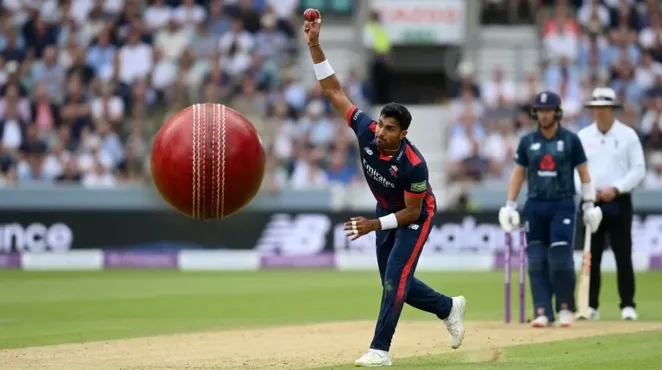
Modern T20 cricket has transformed bowling from a discipline based mainly on pace, swing and consistency into one that demands 3 elements. Those are: constant variation, tactical intelligence and mental resilience. With batters attacking almost every delivery, bowlers have had to develop new skills simply to remain competitive. If you visit 1 x Bet Bangladesh, you can always bet on the best bowlers from the cricket world.
One of the biggest adaptations has been the development of variations in 2 aspects: pace and length. Slower balls, cutters and slower bouncers are now essential weapons, particularly when batters are expecting a fast delivery. Some bowlers have demonstrated how changes of pace can disrupt a batter’s timing, with 2 great examples being Dwayne Bravo and Jasprit Bumrah. Rather than relying only on raw speed, modern bowlers try to make their deliveries difficult to predict. The Bangladesh 1xBet platform is always packed with amazing bets on great bowlers too.
Yorkers have also become a crucial part of Twenty20 bowling, especially during the final overs. A perfectly executed yorker can prevent batters from getting underneath the ball and hitting it for 6. However, modern batters are better at anticipating and attacking yorkers, so bowlers increasingly combine them with wide yorkers, slower balls and occasional short deliveries. Training has consequently become more scenario-based, with bowlers repeatedly practising specific deliveries for pressure situations.
Changes seen across the entire game
Another important change is the emphasis on reading the batter. Bowlers now observe a batter’s stance, movements and preferred scoring areas before deciding what to bowl. A batter who moves across the crease, for example, can force a bowler to change the planned line or length. Field placements are also closely connected to these decisions: bowlers attempt to create specific hitting options and then exploit the resulting weaknesses.
Spinners have adapted too. Instead of simply bowling defensively, they attack with variations in flight, speed and trajectory, while using the crease and angles to make scoring difficult. Across the game, bowlers have become more specialised, with some developing particular skills for the powerplay and others becoming specialists at the death.
Finally, modern Twenty20 bowlers must cope with 3 other aspects:
- changing regulations;
- new demands from the game;
- and increasingly inventive batters.
The ICC has even trialled changes to the wide-ball interpretation in T20Is to account for batters moving around the crease.
Disclaimer: This article is intended for general informational and educational purposes only. It discusses how bowlers have adapted their techniques and strategies to modern Twenty20 cricket and should not be considered professional sports advice. Individual performances and outcomes may vary.