How Heavy Rainfall Can Increase Pest Problems Around the Home
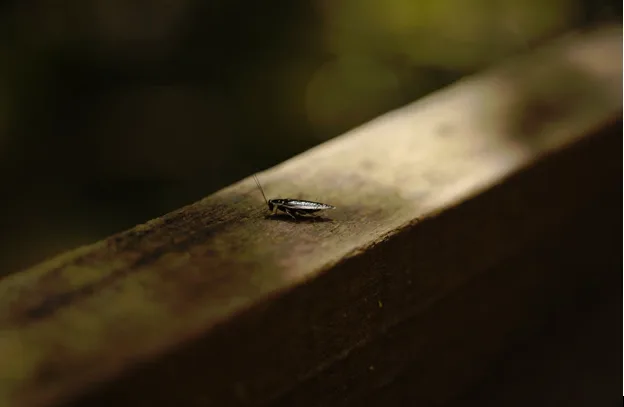
Around 35 inches of rainfall occurs annually nationwide, although this belies the significant differences in precipitation between regions and the damage that heavy rain can do. When torrential downpours hit residential neighborhoods, homeowners often expect the rain to wash away outdoor pests, yet in reality, it triggers a sudden surge in household pest activity.
There are millions of subterranean insects displaced by saturated soil during stormy seasons. When subterranean cavities flood, pests are forced to seek higher ground, which frequently leads them directly into surrounding homes.
Image Source: Pexels
The Science of Rainfall and Pest Migration
Torrential weather drastically alters the moisture dynamics around a home’s exterior envelope. Soil functions like a sponge, but once it reaches full capacity, water fills the microscopic air pockets where insects nest. Ants, roaches, and rodents cannot survive in submerged chambers, driving them outward and upward toward dry structures.
Basements, crawlspaces, and ground-level entryways become primary targets during tropical storms. High humidity levels near the foundation create an inviting microclimate for migrating pests. Seeking shelter from rising water tables, insects quickly utilize cracks in concrete, unsealed pipe penetrations, and doorway gaps.
You need regional experts to intervene if things get really bad. For Florida homeowners facing persistent infestations after heavy storms, working with local pest management professionals provides targeted relief by addressing hidden entry points and vulnerable foundation zones. Having an equivalent expert from your area in your contacts is a good idea to ensure infestation emergencies can be dealt with swiftly.
Why Specific Pests Surge After Heavy Storms
Different pests respond to rainstorms in distinct ways based on their biology and nesting habits:
- Ants relocate entire colonies upward into wall voids and attic spaces when soil burrows fill with water
- Cockroaches emerge from flooded storm drains and sewer lines to find dry shelter inside ground-floor rooms
- Mosquitoes capitalize on leftover standing water in clogged gutters and birdbaths to launch rapid breeding cycles
Termites also react strongly to wet weather conditions. Saturated wood near a home’s perimeter serves as an ideal food source and moisture reservoir. Furthermore, damp soil conditions trigger termite swarms, encouraging reproductive termites to establish new colonies around residential foundations, and contributing to the $40 billion annual cost of damage done by these insects alone.
The Hidden Threat of Indoor Humidity and Fungi
Heavy rainfall introduces massive amounts of moisture indoors, which rapidly elevates relative humidity inside wall cavities and crawl spaces. When building materials stay damp for extended periods, mold and fungi begin to proliferate behind drywall and beneath flooring, and this organic decay attracts secondary invaders that feed directly on fungal spores. Silverfish and springtails thrive in damp environments where condensation collects on cool surfaces.
Homeowners frequently misdiagnose these moisture-driven pests as simple surface nuisances rather than indicators of deeper structural dampness. Addressing the root cause requires lowering indoor relative humidity with commercial dehumidifiers and repairing hidden plumbing or roof leaks. Controlling ambient moisture is as critical as applying chemical barriers.
Insulation Vulnerabilities and Rodent Shelter
Beyond small insects, heavy downpours force larger vertebrate pests like mice and rats to abandon underground burrows and look for dry insulation. Wet fiberglass insulation loses its thermal properties and offers a soft, warm nesting material for rodents seeking refuge from chilly, waterlogged ground. As rodent activity spikes during wet seasons, homeowners often hear scratching noises inside ceilings and wall voids.
Once inside, these mammals chew through wiring and drywall to expand their nesting zones, creating severe fire hazards. Securing vulnerable entry points around the roofline and foundation vents blocks these larger invaders before they compromise structural integrity.
Practical Steps to Protect Your Property
Preventing indoor pest invasions starts with controlling moisture dynamics outside the home. Properly sloped grading ensures rainwater moves away from the foundation rather than pooling around exterior walls. Cleaning gutters and downspouts prevents standing water from backing up under roof shingles, where pests can easily gain entry.
Sealing gaps around window frames, utility lines, and basement doors stops pests from migrating inside before they settle in living areas. Removing rotting mulch, fallen branches, and leaf litter reduces damp harbourage zones near the house perimeter.
Simple maintenance routines significantly lower the likelihood of post-storm pest problems:
- Clear debris from gutter systems to keep water flowing freely away from rooflines
- Empty flowerpots, tire swings, and yard containers immediately after rain stops
When Routine Prevention Requires Professional Expertise
Basic home maintenance deters many opportunistic pests, but severe flooding can overwhelm standard DIY tactics. When subterranean pest colonies are displaced en masse, the sheer volume of invading insects often requires structural treatments and professional-grade barrier applications.
If pest activity continues several days after the rain stops, an established infestation may already exist within wall cavities or subflooring. Specialized treatments address deep-seated nesting sites without damaging the home’s structure or finishes. To learn more about keeping your living spaces secure year-round, explore our recent articles on seasonal home maintenance and exterior protection tactics.