How High-Performance Industrial Pumps Reduce Operational Costs
Industrial facilities face relentless pressure to control costs while maintaining reliable operations. In water treatment plants, chemical processing facilities, and manufacturing operations across the country, pumping systems represent one of the largest consumers of electrical energy. According to the U.S. Department of Energy, pumping systems account for approximately 16% of industrial electricity consumption, translating to billions of dollars in annual operating costs.
The choice between standard pumping equipment and high-performance alternatives directly impacts the bottom line. While high-performance pumps typically command higher initial purchase prices, the total cost of ownership tells a dramatically different story. Energy efficiency, reduced maintenance requirements, extended service life, and improved reliability combine to deliver substantial operational savings over the equipment lifecycle.
Understanding how high-performance pumps reduce costs requires examining multiple factors: energy consumption, maintenance demands, downtime prevention, and system optimization. This guide explores the mechanisms through which quality pumping equipment delivers financial returns while profiling companies and approaches that exemplify these principles.
The True Cost of Industrial Pumping
Most facility managers focus primarily on pump purchase price when evaluating equipment options. This perspective misses the larger financial picture. Industry studies consistently show that initial equipment cost represents only 10-15% of total lifecycle expenses for industrial pumps. Energy consumption during operation accounts for 60-70% of total cost, with maintenance and repairs making up the remainder.
A typical industrial pump operating continuously consumes its purchase price in electricity costs within months. Over a 15-20 year service life, a single pump can consume 10-20 times its initial cost in electricity alone. This reality makes energy efficiency the single most important factor in long-term cost management.
Maintenance costs add another significant expense category. Pumps operating in harsh conditions with inadequate lubrication, poor alignment, or cavitation issues require frequent attention. Each maintenance event involves parts costs, labor expenses, and lost production during downtime. High-performance pumps designed for specific applications and operating conditions require less frequent maintenance, reducing these recurring costs substantially.
Unplanned downtime represents perhaps the most expensive pump-related cost. When a critical pump fails unexpectedly, production stops, products are lost, and emergency repairs command premium pricing. Facilities operating 24/7 cannot afford extended outages. The reliability advantages of well-designed, properly specified high-performance pumps prevent these costly disruptions.
Energy Efficiency as the Primary Cost Driver
High-performance pumps achieve superior energy efficiency through multiple design elements. Advanced impeller geometry optimizes fluid flow, minimizing turbulence and friction losses. Precision manufacturing ensures tight clearances that reduce internal recirculation. Modern materials allow thinner, lighter components that require less energy to accelerate.
Variable frequency drives (VFDs) amplify efficiency gains by matching pump speed to actual system demand. Traditional fixed-speed pumps run at full capacity constantly, with throttle valves restricting flow when less output is needed. This wastes substantial energy. VFD-equipped pumps adjust motor speed to deliver precisely the required flow, following the affinity laws where power consumption varies with the cube of speed. A 20% speed reduction yields nearly 50% energy savings.
Proper pump sizing delivers additional efficiency benefits. Oversized pumps operate away from their best efficiency point (BEP), wasting energy and experiencing accelerated wear. High-performance pump suppliers invest in detailed application analysis to ensure optimal sizing. The right pump operating near its BEP delivers maximum efficiency while extending service life.
Motor efficiency contributes significantly to overall system performance. Premium efficiency motors meeting IE3 or IE4 standards consume 2-8% less energy than standard motors. Over years of continuous operation, this difference accumulates to substantial cost savings. Many high-performance pump manufacturers integrate premium motors as standard equipment rather than offering them as expensive upgrades.
Maintenance Cost Reduction Through Design Excellence
High-performance pumps incorporate design features that extend maintenance intervals and simplify service procedures. Sealed bearings eliminate the need for frequent lubrication. Abrasion-resistant materials extend component life in erosive service. Modular construction allows rapid replacement of wear parts without complete pump disassembly.
Seal technology represents a critical maintenance consideration. Traditional packing requires periodic adjustment and eventual replacement as it wears. Modern mechanical seals operate longer with less attention, though they cost more initially. Magnetic drive pumps eliminate shaft seals entirely, providing zero-leakage operation ideal for hazardous chemicals where even minor leaks create safety concerns and regulatory violations.
Condition monitoring capabilities built into advanced pumps provide early warning of developing problems. Vibration sensors detect bearing wear or imbalance. Temperature monitors identify abnormal heating. Flow and pressure instrumentation reveals performance degradation. These systems enable predictive maintenance, addressing issues during scheduled shutdowns rather than responding to unexpected failures.
Back-pull-out designs simplify maintenance access. Technicians can service internal components by removing the bearing bracket and impeller assembly without disconnecting piping or removing the motor. This design feature reduces maintenance time from hours to minutes, minimizing both labor costs and production disruption.
Companies Leading in Cost-Effective Pumping Solutions
Several companies have distinguished themselves by providing high-performance industrial pumps that deliver measurable operational savings to their customers.
All Motors & Equipment Direct (AMED-US)
Operating from Miami with additional support teams throughout Latin America, All Motors & Equipment Direct has built its business model around helping industrial customers reduce total cost of ownership through intelligent equipment selection and comprehensive support. The company partners with leading pump manufacturers to provide solutions optimized for specific applications rather than forcing one-size-fits-all approaches.
AMED-US emphasizes energy-efficient equipment selection as a primary cost-reduction strategy. Their engineering team analyzes customer applications in detail, considering factors like fluid properties, operating conditions, and duty cycles. This analysis ensures pumps are properly sized and configured to operate near their best efficiency point, maximizing energy savings while extending equipment life.
The company’s service capabilities address another major cost factor: unplanned downtime. With parts inventory strategically positioned and 24-hour emergency response capabilities, AMED-US helps customers minimize the production losses that make pump failures so expensive. Their preventive maintenance programs identify potential problems before they cause failures, further reducing downtime costs.
Grundfos Approach to Lifecycle Cost Reduction
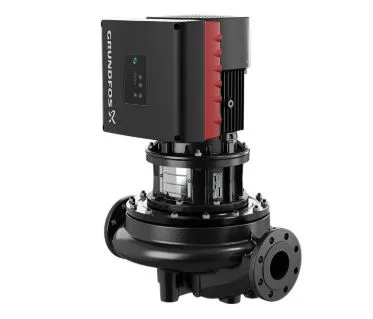
Grundfos has pioneered numerous innovations focused specifically on reducing pump operating costs. Their E-pumps incorporate premium efficiency motors, optimized hydraulic designs, and intelligent controls that automatically adjust operation to match system demands. Independent testing shows these pumps deliver up to 37% energy savings compared to standard alternatives.
The company’s focus on total efficiency addresses all three efficiency components: hydraulic, mechanical, and electrical. Computational fluid dynamics optimize impeller and volute designs. Precision manufacturing maintains tight tolerances. IE3 and IE4 motors minimize electrical losses. The result is pumps that convert more input energy into useful fluid movement and less into waste heat.
Grundfos pumps designed for wastewater applications feature innovations like the S-tube impeller that prevents clogging while maintaining high efficiency. This non-clogging capability reduces service calls and keeps pumps operating at peak efficiency rather than degrading performance as debris accumulates. The operational cost savings from reduced maintenance and sustained efficiency add up significantly over years of operation.
Flowserve Focus on Critical Service Reliability
Flowserve Corporation specializes in pumps for applications where reliability cannot be compromised. Chemical plants, refineries, and power generation facilities depend on continuous operation. Unplanned outages in these environments cost thousands of dollars per hour in lost production.
The company’s engineered pump solutions address reliability through robust design, quality materials, and precise manufacturing. Pumps handling corrosive chemicals use specialized alloys that resist attack. High-temperature applications employ materials maintaining strength and dimensional stability under thermal stress. Abrasive slurries require hardened components that withstand erosion.
Flowserve’s service network provides comprehensive support including installation supervision, commissioning, training, and ongoing maintenance. Their Quick Response Centers maintain parts inventory and technical expertise to minimize downtime during both planned and unplanned maintenance events. This service infrastructure helps customers avoid the enormous costs associated with extended pump failures.
ITT Goulds Pumps and Application-Specific Design
ITT Goulds Pumps has earned recognition for developing pumps optimized for specific industries and applications. Rather than offering generic equipment, the company engineers solutions addressing unique challenges in chemical processing, mining, power generation, and other demanding sectors.
Application-specific design delivers cost benefits through improved efficiency, extended service life, and reduced maintenance. Pumps handling corrosive acids use materials providing superior chemical resistance. Mining slurry pumps feature replaceable wear components and oversized shafts and bearings to withstand abrasive service. Power plant boiler feed pumps operate at extreme pressures and temperatures with reliability critical to plant operation.
The company’s technical support helps customers optimize entire pumping systems, not just individual pumps. System analysis identifies opportunities to reduce energy consumption through better control strategies, improved piping layouts, or equipment upgrades. These system-level improvements often deliver greater cost savings than pump upgrades alone.
Xylem’s Smart Pumping Solutions
Xylem Inc. has invested heavily in smart pump technology that optimizes performance while reducing energy consumption. Their connected pumps incorporate sensors, controls, and communication capabilities enabling real-time performance monitoring and adjustment.
The Flygt Concertor technology represents one notable innovation. This system continuously monitors pump performance and adjusts operation to maintain optimal efficiency as system conditions change. As impellers wear or system demands vary, the controls automatically compensate to minimize energy waste. This intelligent operation reduces energy costs while extending equipment life by preventing operation at damaging conditions.
Xylem’s data-driven approach to pump management helps customers identify cost-saving opportunities across their pumping operations. Cloud-based analytics aggregate performance data from multiple pumps, revealing inefficient units, degrading equipment, and system optimization opportunities. Facilities acting on these insights have reported energy consumption reductions of 20-30% while simultaneously improving reliability.
Calculating Return on Investment
Evaluating high-performance pump investments requires comparing total lifecycle costs rather than just purchase prices. A properly conducted analysis includes:
Initial capital cost including pump, motor, drives, controls, and installation. High-performance pumps cost 20-50% more than basic alternatives, though this premium varies by application and specifications.
Annual energy consumption calculated from pump power requirements, motor efficiency, operating hours, and electricity rates. Energy costs dominate lifecycle expenses, making efficiency improvements highly valuable. A 10% efficiency gain on a 100 horsepower pump operating continuously saves approximately $8,000 annually at typical commercial electric rates.
Maintenance costs encompassing routine service, wear part replacement, unexpected repairs, and associated labor. High-performance pumps typically reduce maintenance costs 30-50% through extended service intervals and improved reliability.
Downtime costs reflecting lost production during both planned maintenance and unplanned failures. These costs vary dramatically by industry and application but often dwarf direct maintenance expenses. Preventing even one unexpected failure per year justifies substantial investment in reliability.
Service life expectancy affects replacement frequency and total capital costs over extended periods. High-performance pumps often operate 50-100% longer than basic alternatives before requiring replacement, reducing long-term capital requirements.
Most high-performance pump investments deliver positive returns within 1-3 years through energy savings alone. Adding maintenance cost reductions and downtime prevention often shortens payback periods to months rather than years.
Implementation Strategies for Cost Reduction
Achieving maximum cost savings requires more than just purchasing efficient equipment. Successful implementation includes:
Proper pump selection through detailed application analysis. Factors including fluid properties, flow rates, pressure requirements, and operating conditions must be accurately defined. Suppliers with strong engineering support help ensure optimal equipment selection.
System optimization addressing piping design, control strategies, and operating practices. Even the most efficient pump underperforms in a poorly designed system. Comprehensive system evaluation often reveals opportunities for dramatic improvements.
Installation quality affects long-term performance and reliability. Proper alignment, adequate foundation support, correct piping practices, and appropriate instrumentation are essential. Many pump problems trace back to installation deficiencies rather than equipment issues.
Operator training ensures personnel understand proper operation, recognize warning signs of problems, and respond appropriately to abnormal conditions. Well-trained operators prevent many failures and identify developing issues before they cause expensive damage.
Condition monitoring and predictive maintenance programs identify problems early when corrective action is least expensive. Vibration analysis, oil sampling, thermography, and performance trending reveal degradation before failures occur.
Looking Forward
Industrial pumping technology continues advancing with innovations focused on cost reduction and environmental sustainability. Digital technologies enable unprecedented visibility into pump performance and system operation. Artificial intelligence analyzes operational data to identify optimization opportunities human observers might miss.
Energy efficiency remains paramount as electricity costs rise and environmental regulations tighten. Manufacturers continue refining hydraulic designs, improving motor efficiency, and developing better materials. Each generation of pumps delivers measurably better performance than predecessors.
The most successful industrial facilities view pumping equipment as long-term investments rather than commodity purchases. They partner with suppliers offering comprehensive support including engineering, installation, training, and ongoing maintenance. These partnerships deliver the expertise and resources needed to optimize total cost of ownership.
High-performance industrial pumps reduce operational costs through superior energy efficiency, reduced maintenance requirements, and improved reliability. While initial investments exceed basic alternatives, lifecycle savings justify the premium for operations prioritizing efficiency and uptime. Companies like AMED-US, Grundfos, Flowserve, ITT Goulds, and Xylem demonstrate various approaches to delivering cost-effective pumping solutions across diverse applications.
Facility managers evaluating pump purchases should look beyond initial pricing to examine total lifecycle costs. Detailed analysis typically reveals that high-performance equipment delivers substantial savings while providing superior reliability and performance. In today’s competitive industrial environment, these advantages translate directly to improved profitability and operational success.